Smart Pet Feeders with Cameras: Balancing AI Features with Reliable Food Dispensing
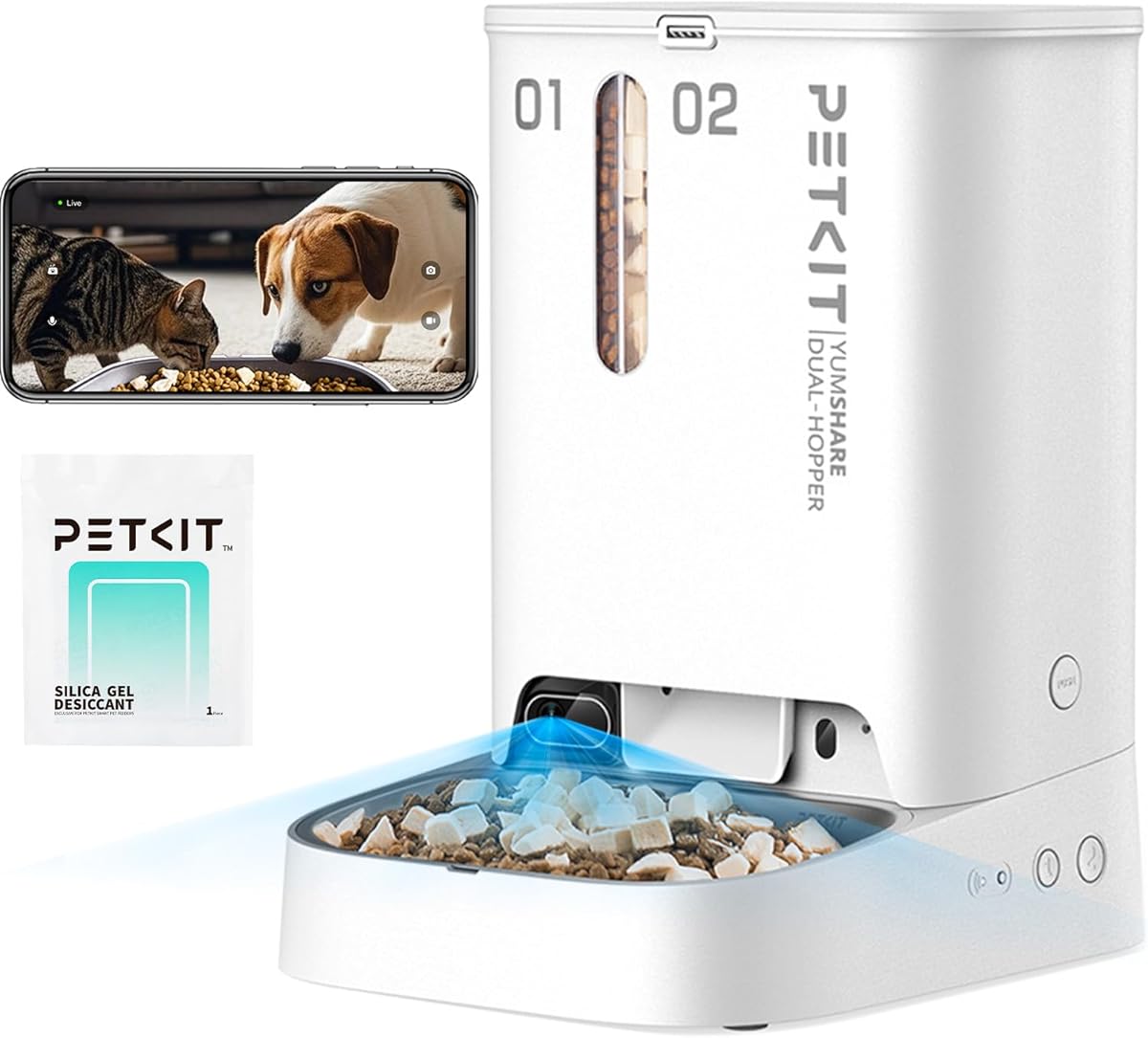
The PETKIT model represents a premium tier in automatic feeders, combining dual-hopper food storage with integrated 1080P camera monitoring and AI motion detection. Buyers should understand that this product category has evolved beyond basic timed feeding into comprehensive pet management systems where connectivity and camera reliability are as crucial as portion accuracy.
Key Considerations Before Buying
- The dual-hopper design allows for mixing dry foods or storing longer supplies, but requires verification that both compartments dispense consistently without jamming, especially with irregular kibble shapes.
- AI-powered motion capturing adds value for behavior monitoring, but its effectiveness depends on camera placement and your pet's movement patterns near the feeder.
- 2.4G WiFi connectivity is essential for remote operation, but requires stable home network performance, particularly for real-time video streaming and two-way audio functionality.
What Our Analysts Recommend
Quality indicators include consistent portion dispensing across multiple cycles, reliable night vision that clearly shows your pet without startling infrared glare, and desiccant systems that actually maintain food freshness in humid environments. The included desiccant feature specifically addresses a common pain point in hopper-style feeders.
Automatic Feeders Market Context
Market Overview
The smart pet feeder market has segmented into basic dispensers under $100 and premium $150+ models with integrated cameras and AI features. PETKIT competes in this premium space where consumers expect seamless app integration alongside mechanical reliability.
Common Issues
Connectivity drops during scheduled feedings, camera lag making two-way audio frustrating, and inaccurate portion control that either overfeeds or leaves pets hungry are frequent complaints. Hopper designs often struggle with food bridging where kibble gets stuck instead of flowing freely.
Quality Indicators
Look for detailed logs of feeding events in the companion app, consistent video streaming during motion events, and mechanical designs that handle various kibble sizes. The 4.73/5 Amazon rating suggests strong satisfaction, though the adjusted 4.40/5 indicates some review inflation.
Review Authenticity Insights
Grade B Interpretation
A Grade B authenticity rating with 15% estimated fake reviews indicates generally trustworthy feedback with moderate manipulation. For a premium product like this PETKIT feeder, this level suggests some incentivized reviews but predominantly genuine experiences.
Trust Recommendation
Focus on reviews discussing specific scenarios like 'worked during 3-day trip' or 'camera captured my cat's midnight activity' rather than generic praise. The 85% authentic reviews should provide substantial detail about real-world performance with different pet behaviors and home setups.
Tips for Reading Reviews
Prioritize reviews mentioning setup challenges with 2.4G networks, actual AI motion detection examples, and long-term reliability beyond 30 days. Be skeptical of reviews that don't mention specific features like the dual hopper or night vision performance.
Expert Perspective
The PETKIT feeder's 4.40 adjusted rating from verified analysis suggests it performs well in the premium smart feeder category, particularly for owners wanting integrated monitoring. The AI motion capturing and 1080P camera differentiate it from basic models, but these features depend heavily on your home WiFi stability. The dual-hopper design with desiccant addresses food freshness concerns that plague single-hopper competitors.
Purchase Considerations
Weigh whether you need the camera integration or would prefer a simpler, potentially more reliable basic feeder. Consider your pet's adaptability to feeder noises and the two-way audio feature. The investment makes most sense for frequent travelers or owners monitoring specific feeding behaviors.
Comparing Alternatives
Compare with other camera-equipped feeders like the WOPET or Petlibro models to assess app functionality differences and mechanical reliability reports.