
Choosing 1/2-Inch EVA Puzzle Mats: What Home Gym Builders Need to Know
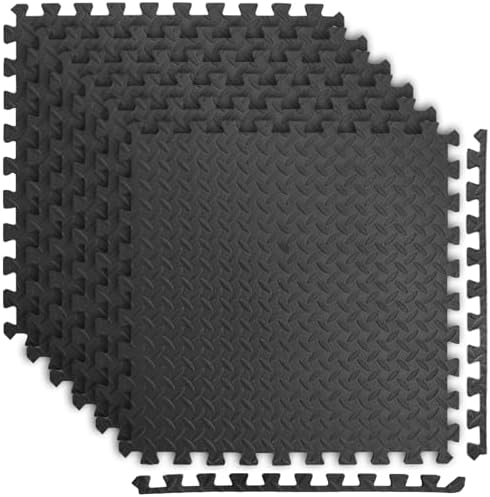
The Art3d EVA puzzle mats represent a specific segment of home gym flooring: 1/2-inch thick, interlocking foam tiles. This thickness is a critical middle ground, offering more cushion than 1/4-inch mats for weightlifting but less than 3/4-inch options for high-impact activities. Buyers should understand that these 24"x24" tiles create a 6-pack covering 24 square feet, dictating the scale of your initial project.
Key Considerations Before Buying
- The 1/2-inch thickness provides basic joint protection for floor exercises and moderate-weight dumbbell work, but may compress too much for heavy Olympic lifts or rack systems.
- EVA foam's closed-cell structure resists moisture, making these suitable for basements or garages where humidity is a concern, but they can still retain odors if not cleaned properly.
- The interlocking puzzle-edge design allows for easy assembly and customization, but requires a perfectly flat subfloor; any significant unevenness will create visible seams and potential tripping hazards.
What Our Analysts Recommend
For EVA tiles, examine the edge profile: clean, precise interlocking teeth indicate better manufacturing quality and a tighter seam fit. High-quality foam should have consistent density throughout the tile—press on the center and edges to check for uniform firmness. The surface texture should provide adequate grip without being overly abrasive on bare skin during planks or yoga poses.
Rubber Flooring Market Context
Market Overview
The home gym flooring market is currently saturated with EVA foam options, with 1/2-inch thickness being a popular compromise between cost, comfort, and portability. Unlike rolled rubber or permanent installations, these modular tiles cater specifically to DIY enthusiasts and renters who need a temporary, reconfigurable solution. Price competition is fierce, often leading to variance in foam density and colorfastness between brands.
Common Issues
Common complaints in this category include off-gassing odors that persist for weeks, tiles that shrink or expand with temperature changes creating gaps, and surface layers that peel or crumble under equipment feet. Cheaper EVA foam can also permanently dent under heavy weight stations, losing its protective qualities. Color consistency between packs is another frequent issue when expanding a floor over time.
Quality Indicators
Superior EVA tiles use higher-density foam measured in kg/m³ (though rarely advertised), have beveled edges to prevent tripping, and feature a non-porous surface that wipes clean easily. Look for tiles that interlock securely without excessive force yet don't separate under light lateral pressure. Quality manufacturers often offer matching edge ramps and transition strips, indicating a more complete system approach.
Review Authenticity Insights
Grade B Interpretation
A Grade B with an 11% estimated fake review rate suggests the Art3d mats have a solid base of authentic feedback, but shoppers should be slightly cautious of overly enthusiastic 5-star reviews. The adjusted rating of 4.60/5 (down from 4.89) indicates that when suspicious reviews are filtered, the product still performs well, but not exceptionally so.
Trust Recommendation
Focus on reviews that mention specific, long-term use cases like 'after six months of daily yoga' or 'holding up under my 300-lb power rack,' as these provide verifiable performance data. Be particularly skeptical of reviews that only praise packaging or delivery speed without detailing mat performance, as these are common hallmarks of incentivized feedback.
Tips for Reading Reviews
For this product type, prioritize reviews that discuss the mats' performance under actual gym equipment—barbells, treadmill feet, weight benches—rather than general comfort comments. Look for mentions of odor dissipation time, as EVA foam's chemical smell is a genuine concern, and note any comments about color fading in sun-exposed areas like garages with windows.
Expert Perspective
The Art3d mats occupy a practical niche: they're a legitimate solution for home exercisers needing basic floor protection without investing in commercial-grade rubber. The 4.60 adjusted rating from verified purchasers suggests they generally meet expectations for light to moderate home gym use. However, the 1/2-inch thickness inherently limits their application; they're better suited for bodyweight exercises, light equipment, and play areas than serious weightlifting platforms. The puzzle design offers flexibility that rolled mats don't, but requires precise installation for a professional look.
Purchase Considerations
Consider your primary activities: these mats work well for yoga, Pilates, and light dumbbell routines, but may disappoint for heavy deadlifts or dropping kettlebells. Calculate your coverage area carefully—a 6-pack covers only 24 sq ft, meaning many home gyms will require multiple orders, risking color batch inconsistencies. Factor in the break-in period for odor dissipation, which some users report taking 2-3 weeks in well-ventilated spaces.
Comparing Alternatives
Shoppers should compare the cost-per-square-foot and foam density specifications against similar 1/2-inch options from Gorilla Mats and ProSource, as performance can vary significantly even within the same thickness category.


