
How to Choose a Calming Cream for Acne-Prone, Sensitive Skin
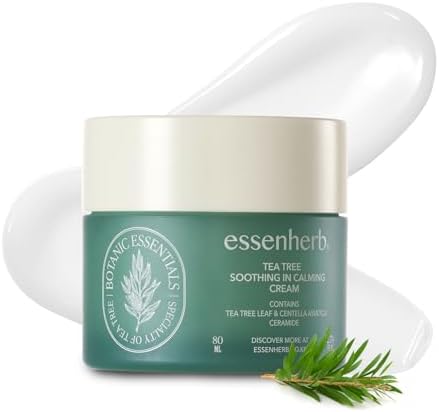
This tea tree calming cream pairs tea tree with cica, madecassoside, and panthenol—a combination aimed at soothing active breakouts without stripping sensitive skin. At 2.70 fl oz, it's a mid-size moisturizer, so consider how often you'll use it as part of a daily routine.
Key Considerations Before Buying
- Tea tree oil can calm blemishes but may irritate very reactive skin, so patch-test first; the added cica and madecassoside are intended to buffer that risk.
- Texture matters for acne-prone skin: a lightweight, non-greasy cream is less likely to clog pores than a heavy balm, especially if you layer it under sunscreen or makeup.
- Check the full ingredient list for fragrance, essential oils, or alcohol, which can undermine the calming claim for sensitive or compromised skin barriers.
What Our Analysts Recommend
Prioritize products that list soothing actives like madecassoside, panthenol, or centella asiatica (cica) near the top of the ingredient list, not just in marketing copy. A 4.89/5 rating with an A authenticity grade suggests reviewers are largely real customers, so their comments on texture and breakout response carry more weight than polished brand claims.
Face Moisturizers Market Context
Market Overview
The acne-prone and sensitive skin moisturizer segment is crowded, with Korean skincare brands leading on gentle, barrier-friendly formulas. Tea tree remains a popular botanical for blemish care, but it's increasingly paired with cica and panthenol to reduce irritation—exactly the approach this product takes.
Common Issues
Many tea tree creams either dry out skin or trigger irritation because the tea tree concentration is too high or the formula lacks enough soothing ingredients. Others feel heavy or greasy, which defeats the purpose for acne-prone users who need lightweight hydration.
Quality Indicators
A trustworthy formula balances tea tree with barrier-supporting ingredients like madecassoside and panthenol, and avoids high alcohol or synthetic fragrance. Authentic review patterns—verified purchases, specific feedback on texture and scent—are a better quality signal than a single high star rating.
Review Authenticity Insights
Grade A Interpretation
An A authenticity grade with an estimated 8.00% fake review rate means the vast majority of the 61 reviews are likely genuine, and the adjusted 4.70/5 rating is only slightly below the displayed 4.89/5. That small gap suggests the product's reputation isn't propped up by manipulated reviews.
Trust Recommendation
You can treat the adjusted rating as a reliable indicator of real customer satisfaction, but still read recent reviews for mentions of your specific skin concern (e.g., cystic acne vs. mild breakouts). If a review sounds overly generic or lacks detail about texture or results, give it less weight.
Tips for Reading Reviews
Focus on reviewers who describe their skin type, how long they used the cream, and whether it caused purging or irritation—details that signal a genuine experience. Look for patterns in negative reviews, such as repeated complaints about scent or breakouts, rather than isolated one-star rants.
Expert Perspective
With a 4.89/5 rating from 61 reviews and an A authenticity grade, this tea tree calming cream appears to deliver on its soothing, blemish-care promise for most users. The inclusion of cica, madecassoside, and panthenol suggests a thoughtful formula that aims to calm rather than simply dry out acne. The adjusted 4.70/5 rating still reflects strong satisfaction, though the small dip hints that a few users may have found it less effective or slightly irritating.
Purchase Considerations
Weigh whether your skin tolerates tea tree oil and whether you prefer a lightweight or richer cream; this 2.70 fl oz size is reasonable for daily face use but not for body application. If you have severe cystic acne, this is likely a supporting product rather than a standalone treatment, so pair it with a dermatologist-recommended regimen.
Comparing Alternatives
Compare this cream with other cica- or panthenol-based moisturizers, especially if you need fragrance-free or non-comedogenic options.


