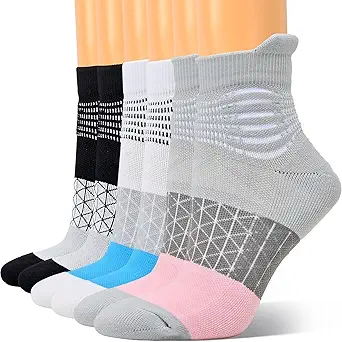
Find Your Fit: The Essential Guide to 15-20 mmHg Compression Socks
Compression socks in the 15-20 mmHg range are a sweet spot for everyday wear and athletic recovery, offering noticeable support without being too tight. The CHARMKING 8-pair set is a popular choice, but understanding how to choose the right size and care for them is crucial for getting the benefits you expect.
Key Considerations Before Buying
- Size and fit are paramount: A proper fit means the sock should feel snug at the ankle and gradually loosen toward the calf. Measure your calf circumference and shoe size against the brand's sizing chart, as an incorrect size can be uncomfortable or ineffective.
- Material and breathability: For all-day wear and workouts, look for moisture-wicking fabrics like nylon and spandex blends. This helps keep your feet dry and reduces odor, especially if you're wearing them for cycling or long shifts.
- Purpose and activity level: Consider when you'll wear them—during exercise, at work, or for recovery. The 15-20 mmHg level is ideal for mild swelling, fatigue, and athletic use, but if you have more severe circulation issues, you might need a higher pressure class.
What Our Analysts Recommend
Quality compression socks should have a consistent gradient of pressure, reinforced heels and toes for durability, and a seamless toe closure to prevent irritation. Also, check if the brand offers a money-back guarantee or warranty, which indicates confidence in their product.
Knee-High Socks Market Context
Market Overview
The compression sock market has expanded rapidly beyond medical use, with brands like CHARMKING targeting athletes and everyday professionals. With thousands of options on Amazon, buyers face a mix of genuine medical-grade products and fashion-forward imitations, making brand reputation and verified reviews critical.
Common Issues
Many compression socks fail to provide the advertised mmHg pressure, often due to poor manufacturing or incorrect sizing. Another frequent complaint is that socks slide down or bunch at the ankle, which not only reduces effectiveness but also causes discomfort, especially during physical activity.
Quality Indicators
Look for socks that are knitted with a circular knit process, which allows for better compression distribution. Certifications like 'CE' (European medical device) or 'FDA registered' are strong signals of quality, as are detailed size charts and clear care instructions from the manufacturer.
Review Authenticity Insights
Grade B Interpretation
The Grade B and 10% estimated fake review rate suggest that while the majority of the nearly 90,000 reviews are authentic, a small portion may be incentivized or unverified. This is common for popular products, but it means you should focus on detailed, verified reviews rather than just the star rating.
Trust Recommendation
Given the high overall rating and the large number of verified purchases, the product appears to deliver on its promises for most users. However, be cautious of overly generic 5-star reviews that lack specifics; instead, read a mix of 3- and 4-star reviews to understand potential downsides like sizing issues or durability concerns.
Tips for Reading Reviews
For compression socks, pay close attention to reviews from users with similar calf sizes and activity levels. Look for comments about how long the socks maintain their compression after washing, and whether they cause any pinching or discomfort at the knee or toe.
Expert Perspective
The CHARMKING compression socks appear to be a solid value, especially for an 8-pair set at a moderate price point. The 15-20 mmHg compression is well-suited for mild swelling and athletic recovery, and the high volume of positive reviews suggests broad satisfaction. However, the adjusted rating of 4.50 indicates there are some legitimate criticisms, likely around sizing and longevity.
Purchase Considerations
Before buying, consider how often you'll wear them and whether you need multiple pairs. If you're between sizes, it's often better to size up to avoid excessive tightness. Also, factor in the cost per pair compared to buying just a few high-end pairs—if durability is a concern, you might prefer fewer but more robust socks.
Comparing Alternatives
While this set is attractive for its value, shoppers should compare with brands like Physix Gear or Copper Compression, which may offer different pressure gradients or materials. Always check the sizing chart and return policy before committing.