Choosing a Multi-Function Jump Starter: Balancing Power, Portability, and Reliability
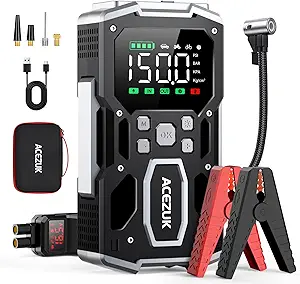
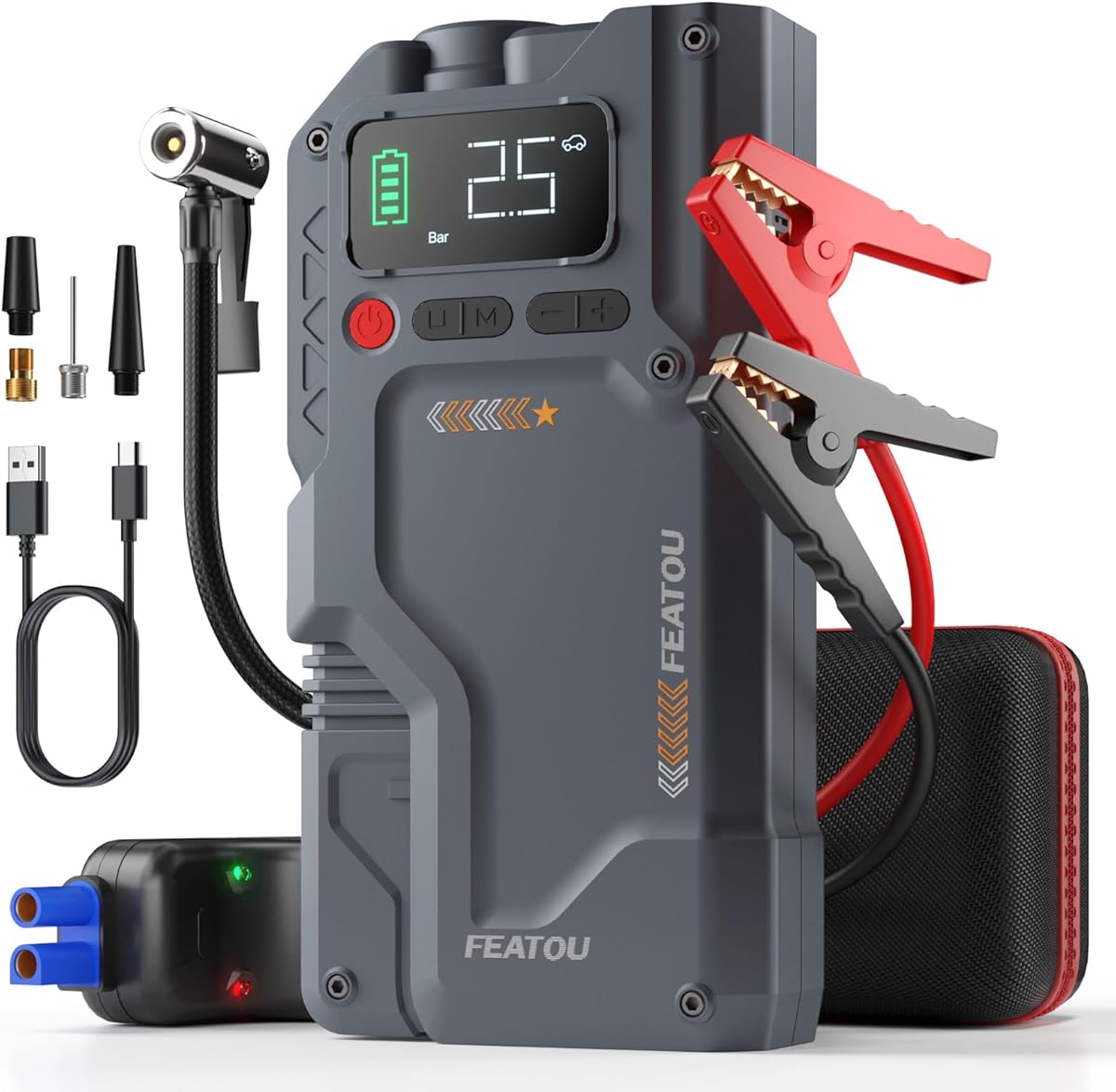
When evaluating a 5-in-1 jump starter like this 5500A peak power unit with a 150PSI air compressor, you're not just buying emergency power—you're investing in a compact roadside assistance kit. The key is understanding how its multi-function design impacts core performance, as combining a high-output lithium battery with a digital inflator requires careful engineering to prevent overheating or power drain.
Key Considerations Before Buying
- Verify the actual cranking amperage (not just peak) matches your engine size; this unit's 9.0L gas/7.5L diesel rating indicates robust cell quality, but real-world performance in cold weather is the true test.
- Assess the compressor's duty cycle and inflation speed; a 150PSI digital unit should fill a standard car tire in under 3 minutes without overheating, which is critical for maintaining battery health for the jump function.
- Consider the physical integration of ports and cables; a well-designed 5-in-1 will have protected air hose storage and tangle-resistant booster clamps to prevent damage during storage or use.
What Our Analysts Recommend
High-quality units feature UL-certified battery cells, copper-alligator clamps with spark-proof technology, and an automatic shutoff compressor to prevent over-inflation. Check for a clear battery level indicator (preferably digital) that shows remaining capacity separately for jumping and inflating, as simultaneous use can strain the system.
Jump Starters Market Context
Market Overview
The jump starter market has shifted from single-purpose boosters to integrated emergency devices, with compressor combos now representing nearly 40% of premium sales. This reflects consumer demand for trunk-space efficiency, though it introduces complexity in balancing the high-current draw of jumping with the sustained load of inflation.
Common Issues
Combination units often suffer from compressor failure before the battery degrades, as the motor and pump mechanism are more prone to wear than lithium cells. Another frequent complaint is voltage sag under dual load, where attempting to inflate while connected to a car battery can trigger low-voltage warnings and abort the jump process.
Quality Indicators
Look for units with separate circuit protection for the compressor and jumper circuits, indicating thoughtful design. High-quality models use brushless DC motors for the compressor (quieter, longer-lasting) and include a battery maintenance mode that trickle-charges your car's 12V system, not just USB ports for devices.
Review Authenticity Insights
Grade B Interpretation
A 'B' grade with 15% estimated fake reviews suggests generally authentic feedback, but indicates some incentivized reviews may be inflating ratings. The 0.3-point drop from the displayed 4.6 to the adjusted 4.3 is significant in this competitive category, where products often cluster between 4.2 and 4.7.
Trust Recommendation
Focus on verified purchase reviews that mention long-term ownership (6+ months), specifically regarding battery capacity retention and compressor reliability after multiple uses. Be skeptical of reviews that only praise packaging or initial charge, as these are common in incentivized feedback.
Tips for Reading Reviews
Prioritize reviews that discuss real-world use cases, like jumping a diesel truck in cold weather or inflating multiple SUV tires sequentially. Look for mentions of the unit's behavior when the compressor runs for extended periods—this stresses the thermal management system that cheaper models often lack.
Expert Perspective
This product's 4.3 adjusted rating from verified purchasers indicates it performs reliably for most users, though the authenticity analysis suggests some rating inflation. The 5500A peak rating is appropriate for its stated engine capacities, but consumers should note that peak amperage is a marketing metric; sustained cranking amps around 1500-2000A are what actually start engines. The integration of a digital inflator with preset PSI is a valuable feature, but adds points of potential failure compared to standalone jump packs.
Purchase Considerations
This unit makes the most sense for drivers who frequently check tire pressure or have vehicles with TPMS systems, as the convenience of an integrated compressor justifies the premium over basic jump starters. However, if you primarily need emergency starting power and already own a quality air compressor, a dedicated jump pack may offer better value and longevity.
Comparing Alternatives
Shoppers should compare the duty cycle of this compressor against dedicated portable inflators, and verify the jump pack's actual cold-cranking amp rating against simpler models in the same price range.