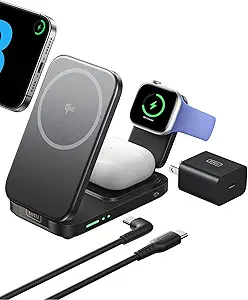
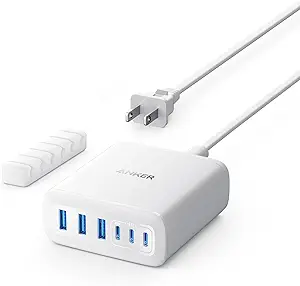
Choosing a 10-port charging station: Power distribution and device compatibility matter most
For a 320W, 10-port charging station like this model, buyers must understand how total wattage is allocated across ports. This specific unit's claim of MacBook Pro compatibility means it must deliver substantial power to at least one USB-C port, while simultaneously managing multiple smaller devices. The organizer dock design adds physical management to the electrical challenge.
Key Considerations Before Buying
- Verify the power profile: A true 320W station should specify how many watts are available to the high-power USB-C port (ideally 100W for a MacBook Pro) and how the remaining power is split among the other nine ports.
- Assess simultaneous charging needs: This product's value lies in charging 10 devices at once; check if the total 320W is sufficient for your specific device combination (e.g., laptop + tablet + multiple phones).
- Evaluate physical organization: As a charging dock, its cable management and device placement should prevent tangles and support devices of varying sizes, from a Kindle to a large tablet.
- Confirm safety certifications: Look for UL, FCC, or CE marks, which are crucial for a high-wattage device managing multiple lithium-ion batteries concurrently.
What Our Analysts Recommend
Quality indicators include explicit port-by-port wattage specifications (not just a total sum), robust heat dissipation features like vents or metal housing, and inclusion of necessary cables. For a dock-style organizer, a weighted, non-slip base is essential to prevent tipping when devices are plugged and unplugged.
Charging Stations Market Context
Market Overview
The multi-port charging station market is increasingly segmented by total wattage, with 300W+ models like this one targeting power users with multiple high-demand devices. The trend is moving beyond simple USB hubs to integrated organizer docks that reduce cable clutter.
Common Issues
Common problems include overstated wattage where ports throttle under simultaneous use, poor heat management leading to reduced charging speeds or safety shutdowns, and physical instability in dock designs. Compatibility claims, especially for laptops, often fail if the USB-C port doesn't support the necessary Power Delivery (PD) protocol.
Quality Indicators
Identify quality through detailed technical specs listing PD profiles (e.g., PD 3.0), use of GaN (Gallium Nitride) technology for cooler, more efficient power conversion, and build materials like anodized aluminum that aid heat dissipation. Transparent brands provide circuit diagrams showing independent power regulation per port.
Review Authenticity Insights
Grade B Interpretation
A Grade 'B' with an 11% estimated fake review rate suggests a generally trustworthy review pool with minor manipulation. For a high-ticket accessory like this 320W station, this level is common, as some sellers incentivize early positive reviews.
Trust Recommendation
Focus on the verified purchase reviews, which constitute the vast majority here. Pay particular attention to reviews discussing long-term use (over 2-3 months) and stress-testing the station with a full complement of devices, as these are harder to fake.
Tips for Reading Reviews
Prioritize reviews that mention specific device models and charging speeds (e.g., 'charged my MacBook Pro 16-inch from 20% in 1.5 hours while also charging two iPads'). Be skeptical of reviews that only praise packaging or delivery speed, or use overly generic language about 'power'.
Expert Perspective
The 4.60 adjusted rating from a largely authentic review pool is strong for this category, indicating real-world satisfaction. The high 4.89 raw rating, tempered by the analysis, still points to a product that meets core expectations for simultaneous multi-device charging. The key question is whether the 320W is intelligently managed; reviews suggesting consistent performance with a laptop and several phones/tablets are the most credible endorsement. The dock-style 'organizer' aspect is a value-add that addresses cable clutter, a major pain point this category solves.
Purchase Considerations
Weigh this station's high port count and dock design against your actual daily charging needs. If you regularly charge fewer than 5-6 devices, a lower-wattage, less expensive hub may suffice. However, for offices, media stations, or tech-heavy households, the 10-port capacity and physical organization justify the investment, provided the power delivery is as specified.
Comparing Alternatives
Shoppers should compare this model's port configuration and wattage distribution against similar 300W+ stations from brands like Anker, Satechi, or UGREEN, focusing on the high-power port specifications.