Brighten Your Space: Expert Tips for Choosing Corn Light Bulbs
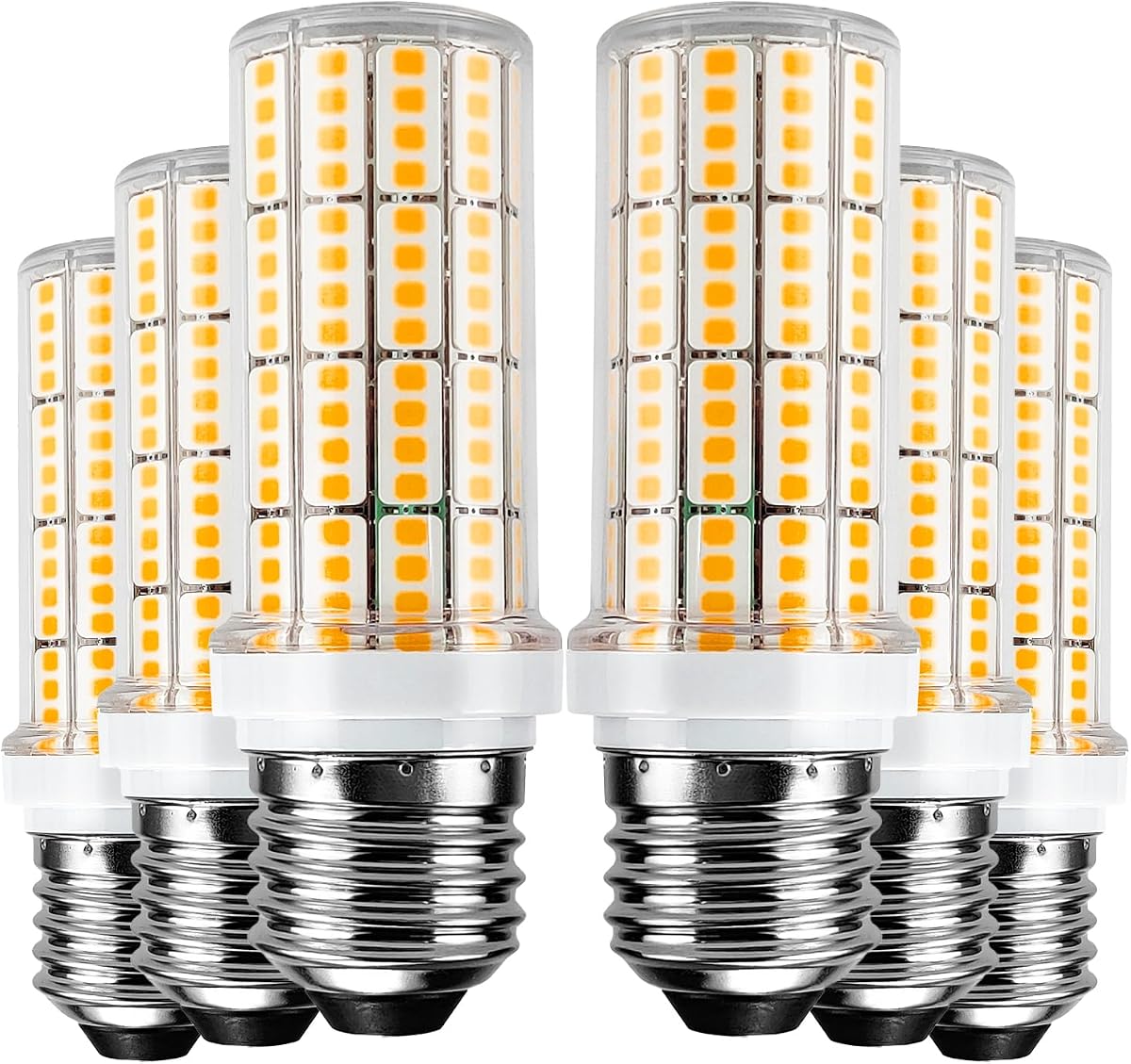
When shopping for high-lumen lighting like this 200W-equivalent, 2500-lumen corn bulb, understanding the trade-offs between brightness, beam angle, and compatibility is crucial. This 20W non-dimmable model with a 3000K cool daylight white is designed for areas like garages and warehouses where strong, efficient light is a priority.
Key Considerations Before Buying
- Lumen output vs. wattage: This bulb delivers 2500 lumens at only 20 watts, making it highly energy-efficient compared to traditional 200W incandescent or halogen options.
- Color temperature: The 3000K cool daylight white is a neutral, crisp light that works well in task-oriented spaces but may feel harsh for living areas; ensure it matches your intended ambiance.
- Non-dimmable design: If you plan to use a dimmer switch, this bulb won't work—it's strictly on/off, so verify your fixtures and controls before purchasing.
What Our Analysts Recommend
Quality indicators for corn bulbs include a wide beam angle (often 360 degrees) for even illumination, a durable aluminum or ceramic base for heat dissipation, and a high Color Rendering Index (CRI above 80) for accurate color representation. Also, check for UL or ETL listing, which signals safety and performance testing.
Light Bulbs Market Context
Market Overview
The LED corn bulb market has expanded rapidly as consumers seek energy-saving replacements for high-wattage fixtures in commercial and industrial settings. Prices have dropped significantly, making 2500-lumen bulbs like this one accessible for home use, but quality varies widely among budget brands.
Common Issues
Common problems include inadequate heat management leading to shortened lifespan, inconsistent lumen output (some bulbs don't match advertised brightness), and compatibility issues with enclosed fixtures or motion sensors. Buyers should also watch for exaggerated 'equivalent wattage' claims that don't reflect real-world performance.
Quality Indicators
Look for bulbs with a clear datasheet specifying actual lumens, beam angle, and operating temperature range. Verified purchase reviews that mention longevity (e.g., 'still working after 6 months') and heat-related performance are strong indicators of quality.
Review Authenticity Insights
Grade B Interpretation
With a Grade B and an estimated 10% fake reviews, this product has a relatively low level of review manipulation compared to many Amazon listings. The 4.67 overall rating is credible but slightly inflated; the adjusted rating of 4.40 likely reflects genuine user experience more accurately.
Trust Recommendation
Trust the bulk of reviews, especially verified purchases describing specific installations (e.g., 'used in my garage for 3 months'). However, be cautious of overly glowing 5-star reviews with generic language or no personal context, as these may be among the 10% fake.
Tips for Reading Reviews
Focus on reviews that mention specific use cases (garage, warehouse, outdoor) and any issues like buzzing, flickering, or heat buildup. Also, look for photos showing the bulb in action, which add authenticity and help gauge actual brightness and beam pattern.
Expert Perspective
This 6-pack of 2500-lumen corn bulbs offers strong value for high-brightness applications, backed by mostly genuine positive reviews. The 3000K cool daylight white is a versatile choice for task lighting, though the non-dimmable nature limits flexibility. The adjusted 4.40 rating suggests reliable performance, but the 10% fake review rate warrants a cautious approach to the most enthusiastic claims.
Purchase Considerations
Weigh the low cost per bulb against potential longevity issues—corn bulbs often run hot in enclosed fixtures, which can reduce lifespan. If you need dimming or a warmer color temperature, this isn't the right fit. For garages, workshops, or outdoor security lighting, it's a solid buy.
Comparing Alternatives
Consider comparing with other high-lumen LED bulbs from established brands like Philips or Cree, which may offer better warranties and lower failure rates, though often at a higher price per bulb.