How to Choose a Multi-Port USB-C Charger That Lasts
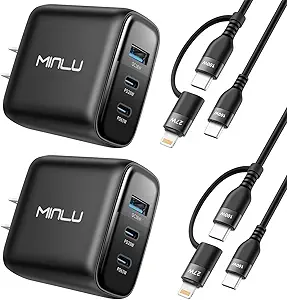
This 2-pack of 40W chargers offers four ports each—a mix of USB-C PD and USB-A QC—making them a versatile choice for households with multiple devices. But with so many multi-port chargers on the market, it's important to understand what separates a reliable unit from one that fails prematurely.
Key Considerations Before Buying
- Power distribution: A 40W charger with four ports doesn't deliver 40W to every port simultaneously. When all ports are in use, the total wattage is shared, often resulting in slower charging for each device. If you need full-speed charging for a laptop, look for a higher-wattage charger.
- Port configuration: This model includes both USB-C Power Delivery (PD) and USB-A Quick Charge (QC) ports, which covers a wide range of devices. However, the exact wattage per port matters—some ports may be capped at lower outputs, so check the specs if you have a power-hungry device.
- Build quality and safety: Look for chargers with over-current, over-voltage, and temperature protection. Cheaper units may lack these safeguards, risking damage to your devices or even fire hazards. UL or ETL certification is a good sign of tested safety.
What Our Analysts Recommend
Beyond port count, check for GaN (gallium nitride) technology, which allows for smaller, cooler, and more efficient chargers. Also, consider the warranty—a 12-month or longer warranty indicates manufacturer confidence. Finally, read reviews for durability, especially regarding the prongs and cable connections.
Wall Chargers Market Context
Market Overview
The wall charger market is flooded with options, from no-name brands to established electronics companies. USB-C PD has become the standard for fast charging, but implementation varies widely. Many consumers now seek multi-port chargers to replace the tangled mess of single-device adapters.
Common Issues
Common complaints include chargers that stop working after a few months, ports that become loose, and misleading wattage claims. Some chargers also emit a high-pitched whine or get excessively hot. Compatibility issues with certain phones or laptops are another frequent problem.
Quality Indicators
A quality charger will have clear specifications, safety certifications, and a solid warranty. Reviews that mention long-term use (6+ months) are more telling than initial impressions. Brands that specialize in power accessories often outperform generic ones.
Review Authenticity Insights
Grade B Interpretation
With a B authenticity grade and 15% estimated fake reviews, this product's reviews are mostly genuine but not entirely trustworthy. The adjusted rating of 4.50/5 (down from 4.89) suggests that while most buyers are satisfied, some reviews may be inflated or incentivized.
Trust Recommendation
Focus on reviews with detailed, specific feedback and verified purchase badges. Look for mentions of long-term durability and customer service experiences. The high review count (8,611) means there's plenty of data to sift through, so you can afford to be selective.
Tips for Reading Reviews
Sort reviews by 'Recent' to see the latest feedback, which may reflect current quality control. Pay attention to negative reviews that describe specific failures—they often reveal patterns. Ignore generic five-star reviews that lack detail.
Expert Perspective
This 2-pack of 40W 4-port chargers offers good value for households needing multiple charging stations. The mix of USB-C PD and USB-A QC ports covers most devices, and the 4.50 adjusted rating indicates solid performance. However, the 15% fake review percentage warrants caution—some positive reviews may be misleading. The lack of a brand name suggests potential variability in quality control.
Purchase Considerations
Consider your power needs: if you frequently charge laptops or tablets, 40W shared across four ports may be insufficient. Also, check the warranty and return policy, as generic chargers can be hit-or-miss. If you need guaranteed reliability, a branded charger might be worth the extra cost.
Comparing Alternatives
Compare with Anker, Belkin, or Aukey chargers, which often have better safety certifications and customer support. Reading comparisons can help you decide if the lower price of this 2-pack justifies the potential risks.