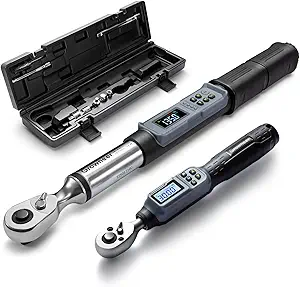
Choosing a compact torque wrench for precision bicycle and small engine maintenance
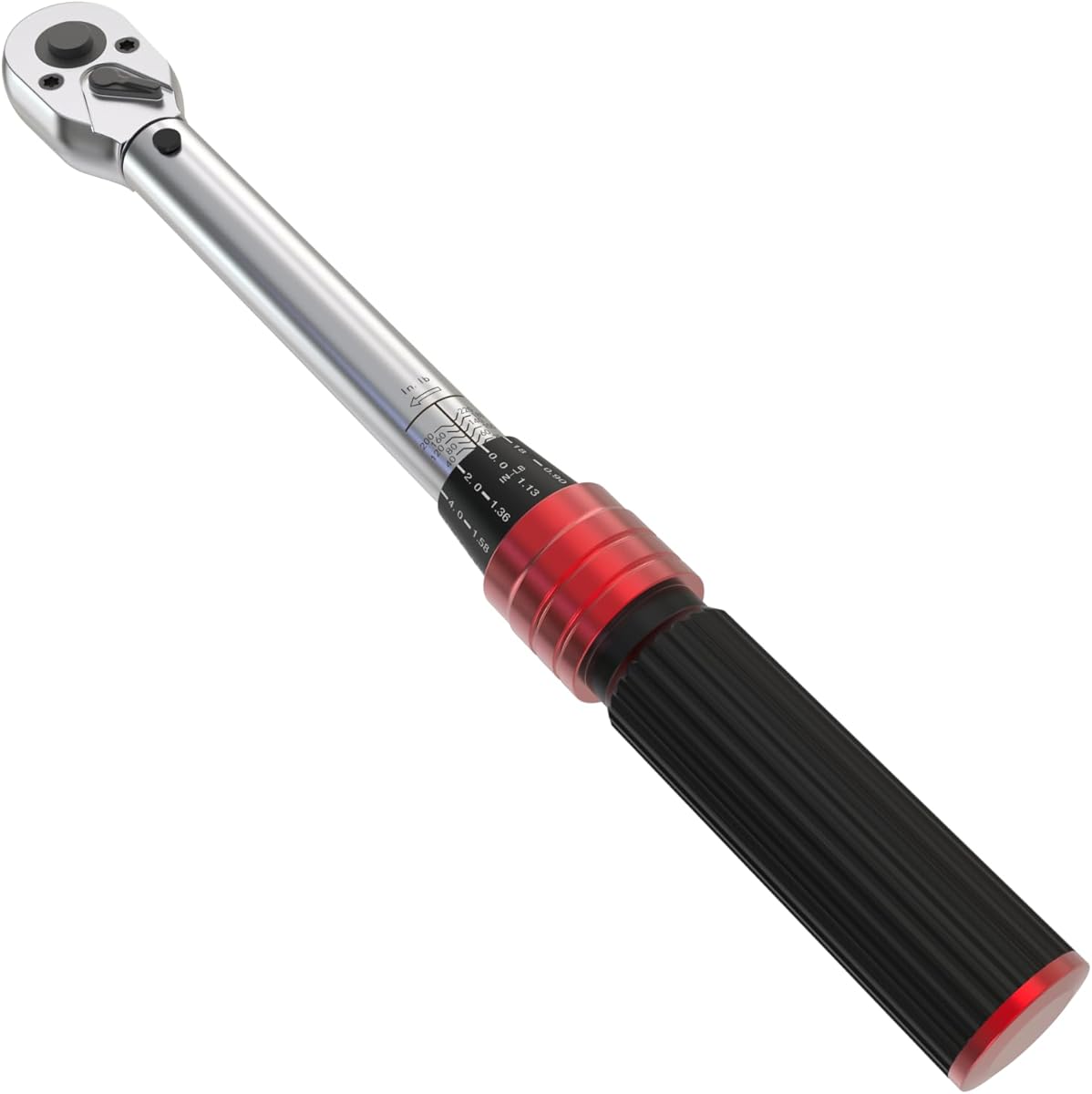
This 1/4-inch drive click-type torque wrench targets users needing precise torque for delicate components, specifically bicycles, small engines, and automotive interior fasteners. Its 20-220 in.lb (2.3-24.9 Nm) range is calibrated for the lower torque values critical in these applications, where over-tightening can strip threads or damage carbon fiber and aluminum parts.
Key Considerations Before Buying
- Verify the torque range matches your specific needs; 20-220 in.lb is ideal for bicycle stem bolts, derailleur limits, and small engine covers but insufficient for automotive lug nuts or suspension components.
- The alloy aluminum body with chromium-molybdenum (Cr-Mo) drive components suggests a focus on weight reduction for portability, which is excellent for field repairs but may impact long-term durability under heavy shop use.
- A 1/4-inch drive limits socket compatibility; ensure you have or can acquire the correct hex bits and adapters for your bicycle's component bolts, which often use 4mm, 5mm, and 6mm hex sizes.
What Our Analysts Recommend
For click-type wrenches in this category, listen for a distinct, audible click and feel a definitive release at the set torque. A clear, dual-scale (in.lb and Nm) micrometer-style adjustment knob with positive locking is essential for repeatable accuracy. Check that the reversing lever for clockwise/counterclockwise operation is robust and doesn't inadvertently switch during use.
Torque Wrenches Market Context
Market Overview
The market for compact, sub-250 in.lb torque wrenches has expanded significantly with the growth of home bicycle maintenance and small engine repair. These tools bridge the gap between inexpensive beam-type wrenches and professional-grade, certified tools, offering reasonable accuracy at an accessible price point.
Common Issues
Common problems include loss of calibration from improper storage (not returned to lowest setting), vague or inconsistent click mechanisms that make precise torque confirmation difficult, and plastic components in the adjustment or reversing assembly that wear or break. Inaccurate low-end torque readings below 30 in.lb are a frequent complaint in budget models.
Quality Indicators
Look for a clearly stated calibration certificate or traceability, even if it's a simple factory sheet. A sturdy storage case that protects the adjustment mechanism is a sign of thoughtful design. High-quality wrenches use a sealed ratchet mechanism to keep out debris and maintain lubrication.
Review Authenticity Insights
Grade B Interpretation
A Grade B with an 11% estimated fake review rate indicates a review profile that is largely trustworthy but contains a notable minority of potentially inauthentic feedback. This is common for tools in this price segment where some sellers incentivize positive reviews.
Trust Recommendation
Focus on the verified purchase reviews, which constitute the majority here. Pay particular attention to mid-range 3- and 4-star reviews, as they often provide the most balanced assessment of real-world performance and limitations compared to polarized 1- or 5-star ratings.
Tips for Reading Reviews
For this specific tool, scrutinize reviews mentioning long-term use over several months or years, as they speak to durability. Also, prioritize reviews that describe specific use cases like 'torquing a carbon fiber seatpost to 5 Nm' over vague praise about 'feels solid.'
Expert Perspective
The adjusted rating of 4.40/5 from a substantial 690-review pool suggests this is a well-regarded tool that generally meets expectations for its niche. The specific torque range and drive size indicate it's designed for a knowledgeable user who understands its limitations. The high proportion of verified purchases adds significant credibility to the positive feedback regarding its accuracy and compact form factor for bicycle work.
Purchase Considerations
Weigh the convenience of its small size and dual-scale reading against the need for potential periodic recalibration, which is a cost factor for any click-type wrench. For a home mechanic performing occasional, critical fastening, it represents good value. For daily professional use, a tool with a documented calibration history and repair program might be a better long-term investment.
Comparing Alternatives
Shoppers should compare the click feel, case quality, and included accessories with similar offerings from Tekton, Capri Tools, and Neiko, which compete directly in this price and specification range.