Choosing a 280Wh Portable Power Station: Balancing Capacity, Output, and Portability
The 280Wh capacity and 300W pure sine wave AC output of this specific power station create a distinct niche between smaller power banks and larger generators. Buyers should understand that this unit's 280Wh rating determines how long it can run devices, while its 300W continuous output limits which appliances it can power.
Key Considerations Before Buying
- The 280Wh capacity translates to practical runtime: about 5-6 phone charges, 3-4 laptop charges, or 2-3 hours for a small CPAP machine without humidifier.
- The 300W pure sine wave AC outlet can handle sensitive electronics but won't power high-wattage appliances like coffee makers, microwaves, or space heaters.
- Without included solar panels, you'll need to budget for compatible panels separately if planning off-grid recharging, considering this unit's specific DC input requirements.
What Our Analysts Recommend
For this category, examine the battery chemistry (typically lithium-ion for this size), cooling system design for sustained 300W output, and port variety matching your devices. The pure sine wave inverter is essential for sensitive electronics but verify it maintains clean output under load.
Generators Market Context
Market Overview
The 250-300Wh portable power station segment has become highly competitive, with numerous brands offering similar specifications at varying price points. These units fill the gap between emergency phone chargers and serious backup power solutions.
Common Issues
Users frequently misunderstand watt-hour versus watt ratings, overestimating what 300W can power or how long 280Wh will last. Thermal management during sustained use and slower-than-expected solar recharging without optimal panels are recurring themes in authentic reviews.
Quality Indicators
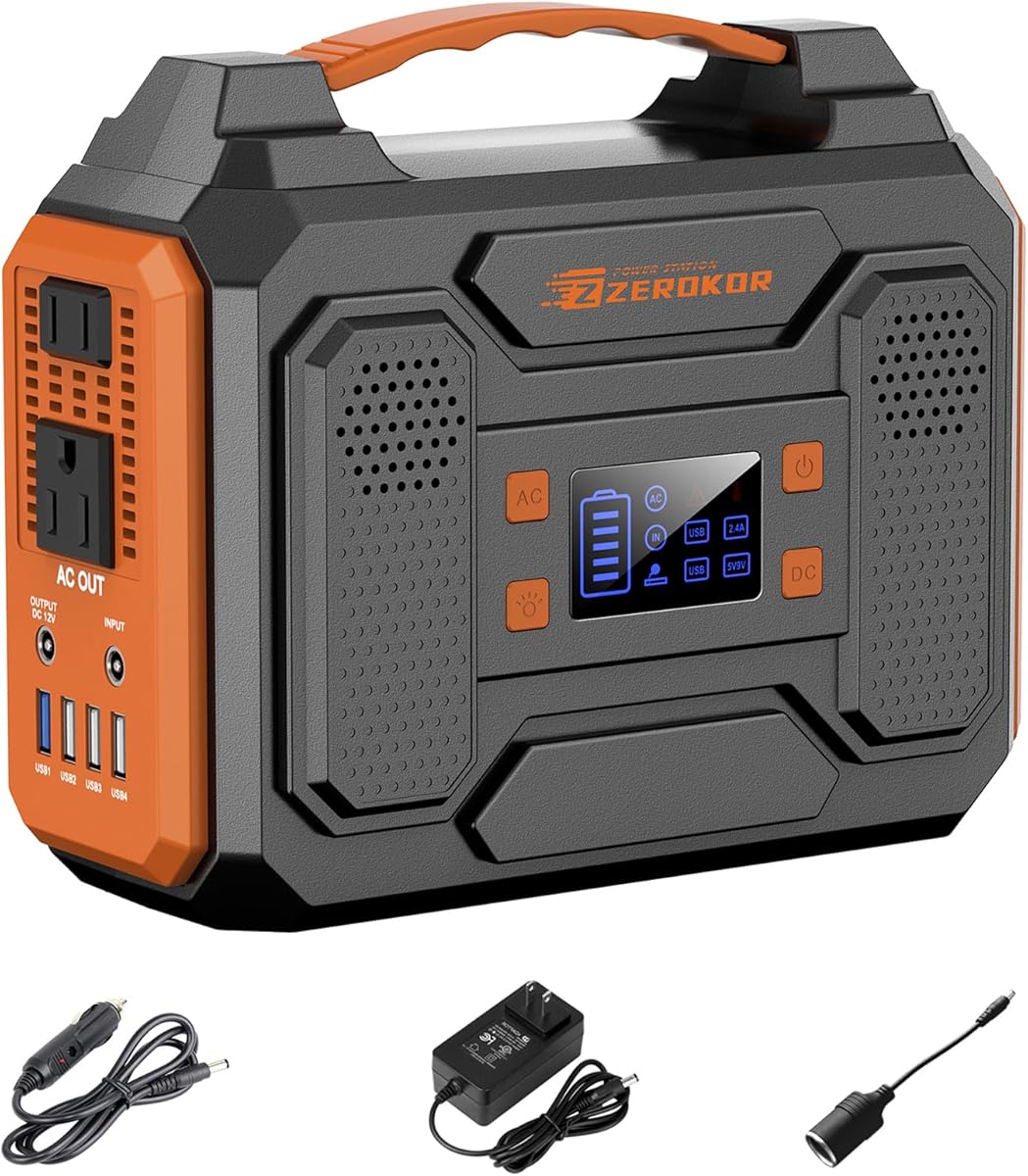
Look for units with battery management systems that prevent over-discharge, robust construction around ports and handles, and clear documentation about expected runtimes. The presence of Quick Charge 3.0 USB ports, as this model includes, indicates attention to modern device charging needs.
Review Authenticity Insights
Grade B Interpretation
A Grade B with 11% estimated fake reviews suggests generally trustworthy feedback with some promotional content. The adjusted 4.00 rating (from 4.22) indicates genuine satisfaction sits slightly below the surface rating.
Trust Recommendation
Focus on reviews discussing specific usage scenarios like camping trips or RV use rather than generic praise. The 1565-review sample size provides substantial data—look for patterns in both positive experiences and reported limitations.
Tips for Reading Reviews
Prioritize reviews mentioning actual runtime measurements with specific devices, experiences with the pure sine wave performance, and details about recharging times. Be skeptical of reviews that don't mention capacity or output limitations inherent to 280Wh/300W units.
Expert Perspective
This power station occupies a practical sweet spot for weekend camping, tailgating, or as a backup for essential devices during brief outages. The 280Wh capacity is substantial enough for meaningful use while maintaining relative portability at approximately 6-7 pounds typical for this class. The pure sine wave inverter adds value for powering sensitive electronics like laptops or medical devices, distinguishing it from modified sine wave alternatives.
Purchase Considerations
Consider whether your needs align with the 300W output ceiling—it powers lights, fans, small electronics, and CPAP machines but not kitchen appliances. The absence of solar panels means evaluating your recharging options: wall outlet recharging typically takes 6-8 hours for this capacity class.
Comparing Alternatives
Compare similar 280-300Wh units on actual port weight, included accessories, and solar input compatibility specifications, as these vary significantly between brands.