
Evaluating Amazon's Spring Water: Source, Packaging, and Taste Consistency
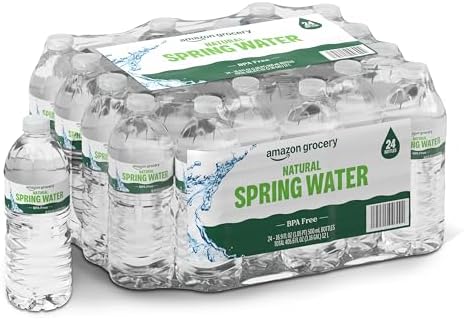
When considering Amazon Grocery's Natural Spring Water, buyers should understand this is a private label product competing with established brands like Poland Spring and Deer Park. The 16.9-ounce bottle size positions it as a standard single-serving option, while the 24-pack format caters to household or office hydration needs rather than individual consumption.
Key Considerations Before Buying
- Spring water differs from purified water—Amazon's product comes from natural springs and contains minerals that affect taste, unlike distilled or reverse osmosis waters that strip all minerals.
- The PET plastic bottles are BPA-free but consider environmental impact versus glass or aluminum alternatives, especially for regular household delivery.
- Amazon's supply chain efficiency means reliable delivery but limits source transparency compared to regional spring waters that advertise specific aquifer locations.
What Our Analysts Recommend
Quality spring water should have consistent mineral content noted as TDS (total dissolved solids) between 50-250 ppm for balanced taste. Check bottle seals for integrity during delivery, as damaged caps compromise both safety and carbonation if present. The water should be clear with no plastic aftertaste—a common issue with some budget bottled waters.
Water Market Context
Market Overview
The bottled water market has shifted toward private label offerings like Amazon's, which compete on price and convenience rather than brand prestige. Natural spring water represents the premium segment of still bottled water, distinct from purified tap water or mineral-enhanced products.
Common Issues
Consumers frequently report inconsistent taste between batches with private label waters, as sourcing may change based on regional availability. Plastic bottle quality varies significantly—thinner plastics can impart taste and are more prone to leaking during shipping.
Quality Indicators
Look for NSF/IBWA certification on labels indicating proper filtration and testing protocols. Higher-quality spring waters maintain consistent pH levels (typically 6.5-8.5) and mineral profiles batch-to-batch. Packaging should include source location information—more specific indicates better traceability.
Review Authenticity Insights
Grade B Interpretation
The Grade B authenticity rating with 11% estimated fake reviews suggests generally reliable feedback but warrants scrutiny of extreme ratings. This fake percentage is moderate for Amazon private label products, where review manipulation sometimes occurs to establish new entries.
Trust Recommendation
Focus on verified purchase reviews discussing specific usage scenarios like office replenishment or emergency preparedness. The adjusted 4.60 rating (down from 4.88) better reflects genuine customer satisfaction levels after removing suspicious feedback.
Tips for Reading Reviews
Prioritize reviews mentioning taste comparisons to known brands or discussing bottle cap quality—these contain authentic details. Be skeptical of reviews focusing solely on delivery speed without water-specific comments, as these may be incentivized.
Expert Perspective
Amazon Grocery Natural Spring Water represents a competitively priced option in the crowded spring water category, with authenticity metrics suggesting genuine customer satisfaction. The 4.60 adjusted rating indicates strong performance for a private label water, particularly considering most negative reviews focus on shipping damage rather than water quality. The product succeeds as a reliable hydration solution for Amazon Prime households valuing convenience over brand loyalty.
Purchase Considerations
Evaluate whether you prioritize consistent mineral taste profile (where established brands may excel) versus cost savings and delivery convenience. Consider your consumption rate—the 24-pack format makes sense for households using 4+ bottles daily but may be excessive for occasional drinkers.
Comparing Alternatives
Compare with similarly priced spring waters like Nestlé Pure Life or store brands, noting differences in bottle design and source transparency.


