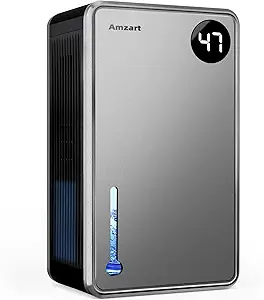
High-Capacity Crawl Space Dehumidifier: What to Know Before Buying
A 155-pint commercial dehumidifier with a built-in pump is a serious piece of moisture-control equipment, typically used in crawl spaces, basements, and small commercial spaces. Unlike a portable 30-pint unit for a damp bedroom, this class of machine is designed to run continuously, drain itself, and handle the humid, enclosed conditions where mold and wood rot start.
Key Considerations Before Buying
- Match capacity to your space and climate. A 155-pint rating is measured at saturation conditions (often 90°F/90% RH), so in a cooler crawl space the real-world extraction will be lower—but this size still suits roughly 2,000–3,000 sq ft of damp, enclosed area in humid regions.
- Confirm the pump's vertical lift and drain setup. Built-in condensate pumps typically push water 15–20 feet vertically and horizontally, letting you route a hose to a utility sink, floor drain, or outside—so you avoid emptying a bucket in a cramped, low-clearance space.
- Check operating temperature range and low-temperature performance. Many commercial units use auto-defrost and function down to around 41°F, which matters if your crawl space gets cold in winter; below that, coils can ice up and efficiency drops sharply.
What Our Analysts Recommend
Look for a hermetically sealed rotary compressor, epoxy-coated coils, and a metal (not plastic) housing, since crawl spaces expose equipment to dust, humidity, and pests. A digital humidistat with auto-restart after power outages and a washable or MERV-rated filter are strong quality signals. Also verify the warranty length on the sealed system—commercial-grade units often carry 5-year compressor coverage.
Dehumidifiers Market Context
Market Overview
The dehumidifier market has shifted toward high-capacity, pump-equipped units as homeowners and contractors tackle crawl space encapsulation and basement finishing. Demand spikes in the Southeast and Midwest, where summer humidity routinely exceeds 70% RH indoors. Meanwhile, federal refrigerant regulations have moved most new units to R-32 or R-454B, affecting pricing and availability.
Common Issues
The most frequent complaints in this category are premature compressor failure, pump clogs from sediment, and inaccurate onboard humidistats that cycle the unit too often. Coil freezing in unheated spaces and refrigerant leaks are also recurring problems, especially on budget models. Noise and vibration can be an issue if the unit sits directly on joists.
Quality Indicators
Reliability correlates with brand reputation and warranty terms more than raw specs—a 155-pint claim means little if the compressor fails in year two. Strong indicators include a sealed-system warranty of five years or more, replaceable pump assemblies, and clear documentation of airflow (CFM) and amp draw. Look for units with a condensate pump rated for continuous duty, not just intermittent operation.
Review Authenticity Insights
Grade A Interpretation
An A authenticity grade with an estimated 8% fake review rate is strong for this category, where inflated specs and incentivized reviews are common. The adjusted rating of 4.70/5 (down from 4.89) still reflects overwhelmingly positive real-world experiences, and the fact that all reviews are verified purchases adds meaningful credibility.
Trust Recommendation
Treat the 4.70 adjusted rating as a reliable signal—this is a product buyers generally like after using it, not just after unboxing it. Focus on reviews that mention long-term performance (six months or more), pump reliability, and actual square footage served, since those details are hard to fake and most relevant to your decision.
Tips for Reading Reviews
When reading reviews for a crawl space dehumidifier, prioritize those that name their space size, climate, and how they drain the unit. Be skeptical of reviews that only praise shipping speed or appearance. Look for patterns in complaints—if multiple reviewers mention the same pump or sensor issue, that's a real design concern worth weighing.
Expert Perspective
Based on the analysis data, this 155-pint commercial dehumidifier with pump appears to be a credible option for crawl space moisture control, backed by a high volume of authentic, verified-purchase reviews. The 4.70 adjusted rating suggests satisfaction holds up after real use, not just at delivery. The built-in pump and commercial capacity address the two biggest pain points in this category: manual emptying and inadequate extraction in humid climates. The A authenticity grade means you can trust the review consensus more than you could for a typical budget listing.
Purchase Considerations
Before buying, measure your crawl space's square footage, ceiling height, and typical humidity, and confirm you have a gravity drain or power source for the pump. Weigh the upfront cost against the expense of mold remediation or structural repairs—a $300–$600 dehumidifier is cheap insurance. Also factor in filter cleaning and an annual coil inspection to keep it running efficiently.
Comparing Alternatives
Shoppers should compare this unit with similar 150–160 pint commercial dehumidifiers from established brands, checking pump lift, low-temperature operation, and warranty terms side by side before deciding.