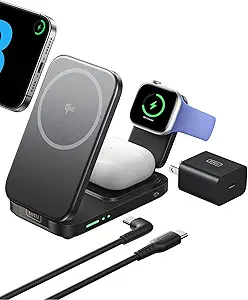
Maximize Desk Space with a 9-in-1 Anker Charger: Key Buying Insights
When choosing a desktop charging station like the Anker 9-in-1 Power Strip, you're balancing power delivery, surge protection, and cable management. This unit packs 100W USB-C charging, three AC outlets, and six USB ports into a compact design with a flat 5ft plug—ideal for cluttered home offices or tech-heavy desks.
Key Considerations Before Buying
- Power distribution: The 100W USB-C output is shared across ports, so charging a laptop may reduce speeds for other devices. Check if your gadgets need consistent high-wattage or can tolerate shared power.
- Port variety: With 3 AC, 2 USB-A, and 4 USB-C ports, this station handles everything from monitors to phones. Ensure you have enough of each type for your daily gear—USB-C dominance is a modern advantage.
- Surge protection rating: The 300J surge protector guards against minor spikes but isn't for whole-home protection. It's sufficient for desk electronics like laptops and chargers, not high-end audio or medical devices.
What Our Analysts Recommend
Look for verified high-wattage USB-C PD (Power Delivery) support, as seen in this Anker's 100W rating, to fast-charge laptops and tablets. A flat plug design saves space behind furniture, and a compact footprint prevents desk clutter. Reliable surge protection with a clear joule rating (here, 300J) indicates basic safety for everyday electronics.
Charging Stations Market Context
Market Overview
The desktop charging station market has exploded as remote work and multiple-device households demand centralized power. Top brands like Anker compete on wattage, port count, and surge protection, with 100W USB-C becoming a premium benchmark. Prices range from budget hubs under $50 to feature-rich units over $100.
Common Issues
Many charging stations overheat under sustained high-wattage loads, or their USB-C ports fail to deliver advertised speeds when multiple devices are connected. Others have bulky plugs that block adjacent outlets or lack proper surge protection, leaving devices vulnerable to power fluctuations.
Quality Indicators
High-quality stations use GaN (gallium nitride) technology for efficient, cool operation. Look for UL or ETL certification for surge protection, and user reviews that detail real-world power sharing across ports. A brand like Anker with strong customer support and consistent firmware updates signals reliability.
Review Authenticity Insights
Grade B Interpretation
A Grade B with 12.00% estimated fake reviews indicates a mostly trustworthy product, but you should be cautious—about 1 in 8 reviews may be incentivized or fabricated. The genuine reviews often mention specific devices (e.g., Surface Studio laptops) and balanced pros/cons, which boosts overall credibility.
Trust Recommendation
Given the high adjusted rating of 4.60/5, the Anker Desktop Charger is likely a solid purchase for most users. Focus on verified purchase reviews with detailed usage scenarios, and ignore overly generic five-star praise that lacks specifics about charging speeds or port functionality.
Tips for Reading Reviews
For charging stations, prioritize reviews that describe charging multiple devices simultaneously—these reveal real power sharing and heat management. Also look for photos of the setup to assess cable management and plug fit, as these details are harder to fake.
Expert Perspective
The Anker 9-in-1 Power Strip stands out for its combination of high-wattage USB-C charging and robust port selection, backed by a 4.89-star rating from nearly 2,600 reviews. The authenticity analysis suggests most feedback is genuine, though the 12% fake rate warrants some scrutiny. Its 300J surge protection and flat plug are practical for desk use, making it a strong contender in the premium charging station segment.
Purchase Considerations
Weigh the 100W shared output against your device needs: if you frequently charge a laptop and tablet simultaneously, ensure the port configuration works for you. The price point is higher than basic power strips, so consider if the extra USB-C ports and surge protection justify the cost for your setup.
Comparing Alternatives
Shoppers should compare this Anker model with other 100W+ stations from brands like Belkin or Satechi, which may offer different port layouts or higher surge ratings (e.g., 1000J+).