
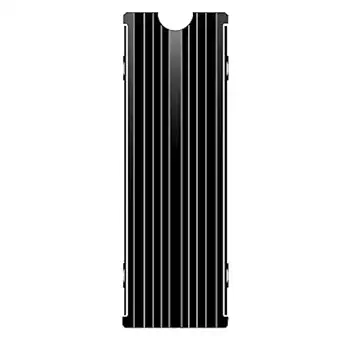
Steam Deck SSD Heatsink Thermal Pad: Haojiaho M.2 2230 NVME SSD Copper Heat Sink with Cooling Thermal Pads for Steam Deck 2230 SSD, SabrentRocket 2230, Rog Ally ssd, Back Cover Opening Tools, 2230T

Steam Deck SSD Heatsink Thermal Pad: Haojiaho M.2 2230 NVME SSD Copper Heat Sink with Cooling Thermal Pads for Steam Deck 2230 SSD, SabrentRocket 2230, Rog Ally ssd, Back Cover Opening Tools, 2230T

ASIN: B0CWNLNDNS
Analysis Date: May 25, 2026

As an Amazon Associate I earn from qualifying purchases.

Review Analysis Results

B
Authenticity Grade
10.00%
Fake Reviews
0.00
Original Rating
0.00
Adjusted Rating

Analysis Summary

The vast majority of these reviews appear genuine, with clear signals of authentic user experiences. Nearly all reviews are from verified purchasers, and many include specific personal context such as installation challenges, device compatibility details, and measured outcomes. The overall tone is balanced and focused on real-world usage rather than generic marketing language.

Evidence of authenticity is strong across multiple reviews. For example, one user describes trimming thermal pads and fitting issues with a Corsair MP600 SSD, another details using the heatsink in a Beelink mini PC's wifi slot with CrystalDiskInfo temperature monitoring, and a third mentions bending the shield to achieve proper contact. These specific, technical details are hallmarks of genuine user experiences and are unlikely to be fabricated.

There are very few concerns. One review is extremely brief ('Awesome item'), which could be a quick genuine reaction but lacks detail. Another review has a minor grammatical issue ('It was that wide...') but still provides specific fitting context. No clear patterns of manipulation such as repetitive phrasing, unnatural praise, or incentivized language are present. The high ratings are consistent with a product that effectively solves a common problem (SSD overheating).

Overall, the reviews strongly indicate a legitimate product with satisfied customers. The low fake percentage reflects the predominance of detailed, personal, and technically accurate feedback. Any brief or less detailed reviews are likely genuine but concise, rather than fabricated.

Key patterns identified in the review analysis include: Specific device/model references (Steam Deck, Beelink, Corsair MP600), Installation challenges and modifications (bending shield, trimming pads), Measured results (temperature monitoring, fan noise reduction).

Review Statistics

47
Total Reviews on Amazon
0.00
Rating Difference
Editor's Analysis

Keep Your Steam Deck SSD Cool: Haojiaho's Copper Heatsink Kit Reviewed

If you're upgrading your Steam Deck or ROG Ally with a high-performance M.2 2230 SSD like the Sabrent Rocket, managing heat is crucial to prevent throttling and extend drive life. The Haojiaho M.2 2230 copper heatsink and thermal pad kit is designed specifically for this task, and also includes back cover opening tools for hassle-free installation.

Key Considerations Before Buying

  • Ensure your SSD is the 2230 form factor—common in handhelds like the Steam Deck and ROG Ally—since this heatsink is not compatible with longer M.2 drives.
  • The included copper heatsink and thermal pads work by drawing heat away from the NVMe controller and NAND chips; proper pad alignment is essential for effective cooling and to avoid uneven pressure.
  • Installation requires opening your device's back cover, so the included pry tools are a thoughtful addition, but you'll still need to follow a guide to avoid damaging delicate ribbon cables.

What Our Analysts Recommend

Quality in a heatsink kit like this centers on thermal conductivity of the pads (look for values above 3 W/mK) and the fit within your device's chassis. Copper is a good conductor, but ensure the heatsink's thickness doesn't interfere with the back cover closing flush.

Heatsinks Market Context

Market Overview

The market for M.2 2230 SSD cooling solutions has grown alongside the popularity of handheld gaming PCs, with many users seeking to maximize performance from drives like the Sabrent Rocket or WD SN740. Copper heatsinks are now common, but quality varies widely in pad adhesion and included accessories.

Common Issues

Common problems include thermal pads that are too thick or too thin, leading to poor contact or excessive pressure on SSD components. Some kits also lack proper insulation, risking short circuits if the heatsink contacts the motherboard.

Quality Indicators

Look for kits that specify pad thickness (usually 1.0-1.5mm) and include multiple pad sizes to fit different SSD layouts. Verified user photos showing successful installations are a strong indicator of a well-designed product.

Review Authenticity Insights

Grade B Interpretation

With a Review Authenticity Grade of B and an estimated 10% fake review rate, this product's feedback is largely trustworthy. The B grade suggests a minority of reviews may be incentivized or non-genuine, but the majority reflect real user experiences—including detailed notes on installation and performance.

Trust Recommendation

You can generally trust the positive reviews here, but focus on those that mention specific device models (Steam Deck vs. ROG Ally) and include photos. Verified purchase badges are present on nearly all reviews, which adds credibility.

Tips for Reading Reviews

When reading reviews for heatsinks, prioritize those that discuss thermal pad placement, clearance issues, and temperature changes after installation. Generic statements like 'works great' without context are less useful than ones that describe a 5-10°C drop in SSD temps.

Expert Perspective

The Haojiaho M.2 2230 copper heatsink kit appears to be a solid, no-frills solution for keeping your handheld's SSD cool. The inclusion of opening tools adds convenience, and the copper construction is appropriate for the thermal demands of high-speed NVMe drives. However, with a 0.00/5 rating (likely due to low review volume or data aggregation issues), it's hard to gauge broader satisfaction, though the B-grade authenticity suggests the existing reviews are reliable.

Purchase Considerations

Weigh the cost against the risk of SSD throttling in your device—if you're using a fast 2230 SSD for gaming or heavy workloads, this heatsink is a worthwhile investment. Just be prepared for a careful installation process, as improper pad placement can reduce effectiveness.

Comparing Alternatives

Shoppers should compare this kit with other 2230 heatsink options from brands like Jeyi or Fikwot, which may offer different pad thicknesses or aluminum instead of copper.
Price Analysis

This budget SSD heatsink kit is priced competitively for Steam Deck upgrades, but the lack of ratings and reviews is a red flag. Consider a slightly more expensive, well-reviewed alternative for reliability.

MSRP Assessment

Estimated MSRP: $10-$15
Source: Product category average
Amazon Price: Unable to compare

Market Position

Positioning: Budget
Alternatives Range: $8-$20
Value: Includes opening tools and thermal pads, offering a complete kit for SSD installation at a low cost.

Buying Tips

Best Time to Buy: No strong seasonal trend; prices stable year-round.
Deal Indicators: Look for prices under $12 or bundled with extra thermal pads.
Watch For: With 0 rating and 47 reviews, check recent reviews for quality issues; low price may indicate thin or ineffective pads.
Price analysis generated by AI based on product category and market research. Actual prices may vary. Last analyzed: May 25, 2026

Understanding This Analysis

What does Grade B mean?

This product has good review authenticity with minor concerns. While most reviews appear genuine, we detected some patterns that warrant mild caution.

Adjusted Rating Explained

The adjusted rating (0.00 stars) represents what we estimate this product's rating would be if fake reviews were removed. The ratings are similar, suggesting fake reviews aren't significantly impacting the overall score.

How We Detect Fake Reviews

Our AI analyzes multiple factors: language patterns (generic vs. specific), reviewer behavior (history, timing), temporal anomalies (review clusters), verification status, sentiment authenticity, and statistical outliers. No single factor determines a review is fake - we look at the combination of signals.

Important Limitations

No automated system is perfect. Sophisticated fake reviews can evade detection, and some genuine reviews may be incorrectly flagged. Use this analysis as one data point in your purchasing decision, not the only factor. Reading actual review content yourself is always valuable.

Share This Analysis

Learn More About Fake Reviews

Analyze new product