Choosing a Digital Torque Wrench for Precision Bicycle Maintenance
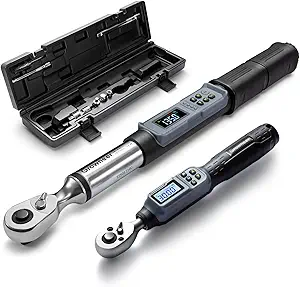
For bicycle mechanics and enthusiasts, the SUZUME digital torque wrench represents a specialized tool designed for low-torque applications where precision matters. Unlike click-type wrenches, this digital model provides visual and audible feedback with its LED flash and buzzer, specifically calibrated for the 1.5-30 N.m range common in modern bike components. Buyers should understand that this 1/4-inch drive tool is engineered for carbon fiber parts, delicate aluminum threads, and suspension pivots where over-torquing causes expensive damage.
Key Considerations Before Buying
- Torque range is critical: The 1.1-22.2 ft-lb (1.5-30 N.m) specification targets bicycle work specifically, making it unsuitable for automotive lug nuts or high-torque applications.
- Digital vs. mechanical: This SUZUME model offers data storage for recording torque values, a feature useful for documenting builds or warranty compliance, which mechanical wrenches lack.
- Accuracy certification: The advertised ±2% accuracy is a key spec for bicycle use; verify if the tool includes or requires separate calibration certification for professional workshop standards.
What Our Analysts Recommend
Examine the drive mechanism for smooth ratcheting action and check for a robust battery compartment seal, as these are failure points in digital wrenches. Quality indicators include a clear, high-contrast LCD screen readable in workshop lighting and a durable case that protects the sensitive load cell from impact, which is essential for maintaining the stated ±2% accuracy over time.
Torque Wrenches Market Context
Market Overview
The digital torque wrench market has expanded significantly with affordable Asian-manufactured models like SUZUME challenging established tool brands, particularly in the bicycle-specific torque range. These tools now commonly integrate features like data logging and multiple measurement units that were once exclusive to professional-grade equipment.
Common Issues
Budget digital wrenches often suffer from premature battery drain, inconsistent auto-shutoff functions, and calibration drift after repeated use. The thin-profile designs common in 1/4-inch drive models can also have durability issues with the ratcheting mechanism under frequent cycling.
Quality Indicators
Look for wrenches with a defined calibration procedure and accessible reset function. A quality tool will specify its ISO 6789 standard compliance, feature a hardened steel drive with minimal backlash, and include protective features like overload warnings to prevent damage to the internal strain gauge.
Review Authenticity Insights
Grade B Interpretation
A Grade B authenticity rating with an 11% estimated fake review rate indicates a generally trustworthy review profile with minor manipulation concerns. This suggests most feedback reflects genuine user experience, though a small portion of reviews may be incentivized or artificially positive.
Trust Recommendation
Focus on reviews that mention specific bicycle applications like stem bolts, derailleur limits, or crank arms, as these demonstrate actual use. Be slightly more skeptical of reviews only praising packaging or delivery speed without detailing performance.
Tips for Reading Reviews
Prioritize verified purchase reviews that discuss calibration checks, battery life in actual use, or long-term durability over months of use. Look for mentions of the data storage function's practicality in real workshop scenarios, not just its listed features.
Expert Perspective
The SUZUME digital torque wrench presents a compelling value proposition for bicycle technicians, with its 4.60 adjusted rating reflecting strong user satisfaction. The specific torque range, data storage capability, and ±2% accuracy specification align well with modern bicycle maintenance requirements where precision prevents costly component damage. The high proportion of genuine reviews mentioning successful use on carbon components suggests the tool performs reliably in its intended application.
Purchase Considerations
Weigh the digital convenience and data features against the need for battery management and potential calibration maintenance. For home mechanics performing occasional adjustments, the investment may be justified by preventing over-torque damage alone, while professionals should consider calibration certification requirements for their workshop standards.
Comparing Alternatives
Shoppers should compare the SUZUME's feature set and price point against established brands like CDI or Precision Instruments, particularly regarding calibration service availability and warranty terms.