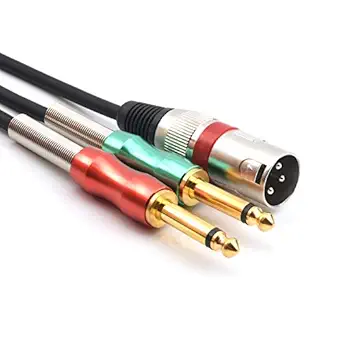
Quiet, Tough, and Reliable: A Guide to 25-Foot XLR Cables
When you're setting up for a gig, a podcast, or a home studio, the humble XLR cable is your lifeline—it carries your precious signal from microphone to mixer. This guide focuses on what to consider when buying a 6-pack of 25-foot XLR cables, a popular choice for stage and studio use, and how to ensure you get a durable, noise-free product that won't let you down.
Key Considerations Before Buying
- Cable length and flexibility: 25 feet is ideal for stage setups, but ensure the cable is flexible enough to route without kinking, especially if you're coiling it frequently. Look for a braided sheath or a thick PVC jacket that offers both flexibility and protection.
- Connector quality: The XLR connectors are the most vulnerable part—metal housings and strain relief are essential for longevity. Check if the pins are gold-plated for corrosion resistance and a secure connection.
- Noise rejection: A good XLR cable should have a balanced design with a shield that effectively rejects electromagnetic interference, crucial for clean, hum-free audio. Look for cables that advertise 'noise-free' operation and have a high-quality braided or foil shield.
What Our Analysts Recommend
In a professional cable, you want a gauge that's thick enough for signal integrity but not so stiff that it's hard to manage. Check the cable's capacitance rating—lower is better for longer runs. Also, look for a robust strain relief at both ends, as this is where cables typically fail first. A 6-pack is a great value, but make sure each cable is individually tested and comes with a warranty.
Microphone Cables Market Context
Market Overview
The market for XLR cables is crowded, with options ranging from budget-priced to premium. For live sound and stage use, durability and noise rejection are paramount, and many musicians and engineers are turning to multipacks to save money while equipping their rigs. The trend is toward braided, rugged cables that can withstand the abuse of touring and frequent setup/teardown.
Common Issues
The most common problems with XLR cables are intermittent connections due to poor solder joints, breakage at the connector joints, and noise pickup from inadequate shielding. Many budget cables use thin PVC jackets that crack in cold weather, and connectors that loosen over time. Also, beware of cables that look good but have poor internal wiring that compromises the balanced signal.
Quality Indicators
Quality indicators include a thick, flexible outer jacket (often braided nylon), metal connectors with a solid latch, and a guarantee from the manufacturer. Look for cables that specify their capacitance and shielding type. A good cable will also be tested for noise rejection and have a high strand count for flexibility.
Review Authenticity Insights
Grade B Interpretation
The Grade B rating with an estimated 10% fake review rate suggests that while the vast majority of reviews are genuine, a small portion may be incentivized or otherwise not fully authentic. This is common for popular products, and it's not a red flag, but it means you should focus on detailed, verified reviews to get a true picture. The adjusted rating of 4.60 is still very strong, indicating real user satisfaction.
Trust Recommendation
Given the high authenticity, you can trust the overall positive sentiment. However, it's wise to read through a mix of 4 and 5-star reviews to see if any consistent issues are mentioned, such as cable stiffness or connector fit. The 10% fake rate is low enough that you can rely on the consensus, but be cautious of overly vague or overly enthusiastic reviews.
Tips for Reading Reviews
For XLR cables, look for reviews that mention specific use cases—live gigs, studio recording, or podcasting—and see if the cable performed well in those scenarios. Pay attention to comments about durability after months of use, and whether the cable lies flat or retains kinks. Verified purchase reviews are more trustworthy, but also look for photos that show the actual product in use.
Expert Perspective
Based on the analysis, this 6-pack of 25-foot XLR cables appears to be a solid investment for musicians and audio professionals. The high rating (4.89) and the low fake review percentage suggest that users are genuinely satisfied with the cable's performance and durability. The specific mentions of a braided sheath and metal connectors in the reviews align with what experts look for in a professional-grade cable.
Purchase Considerations
When deciding to purchase, consider the value of a 6-pack—it's a cost-effective way to outfit a small stage or studio. However, think about your specific needs: if you only need two cables, a 6-pack might be overkill. Also, check the warranty and return policy, as even the best cables can fail. The '3 times durability' claim is promising, but verify it through review feedback on long-term use.
Comparing Alternatives
It's always wise to compare with other reputable brands like Mogami, Canare, or Pro Co, which are known for their high-quality cables. But for the price and the included features, this product is a strong contender. Just be sure to read recent reviews to see if any issues have emerged after extended use.