
Choosing an Upper Arm Monitor: Key Features for Accurate Home Hypertension Tracking
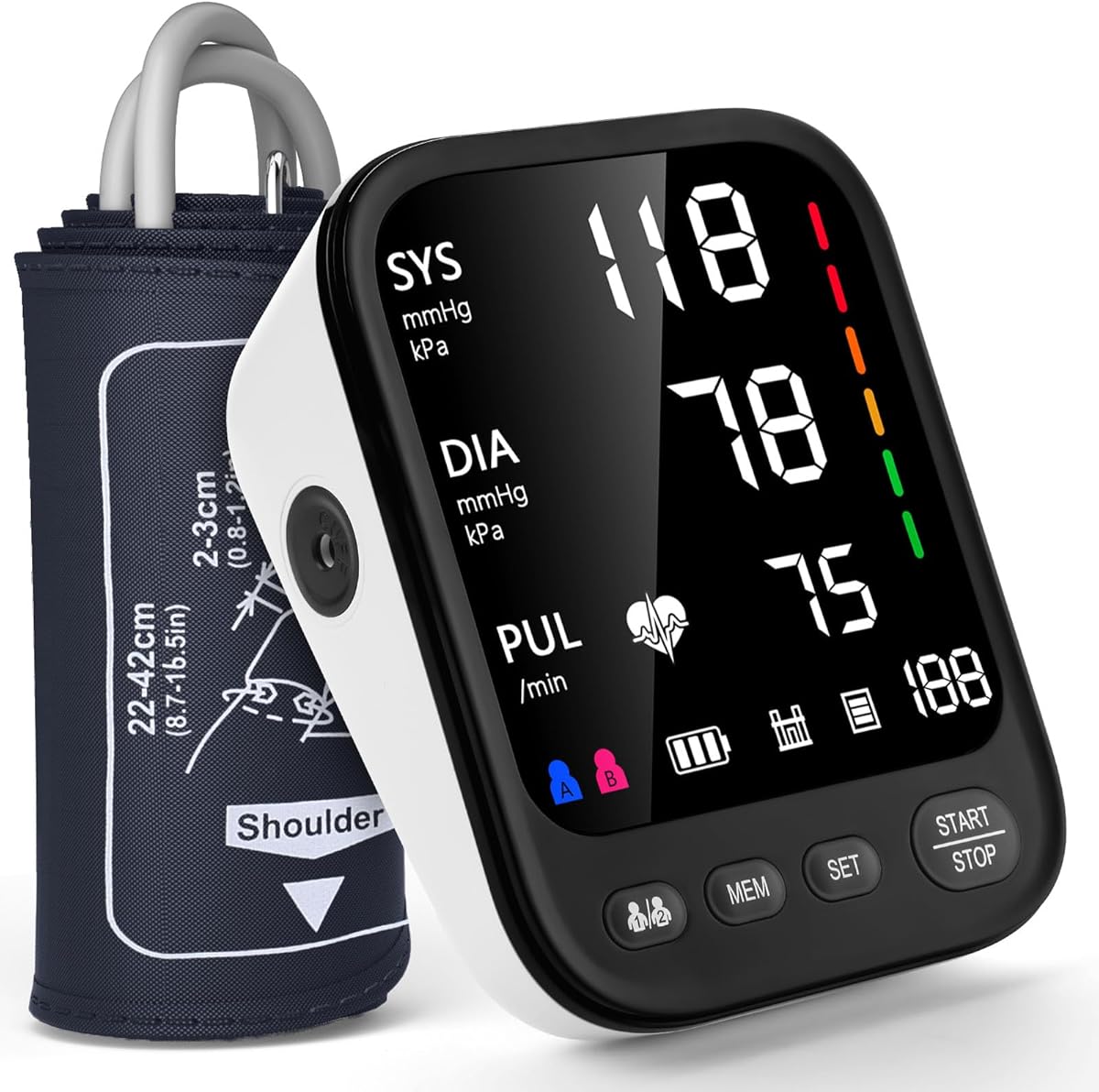
When selecting an automatic upper arm blood pressure monitor like this model with a 9-17 inch adjustable cuff, focus on features that enhance clinical accuracy and daily usability. This specific device's 2x199 memory capacity and arrhythmia detection capability make it suitable for users needing to track trends over time, particularly those managing hypertension who require consistent monitoring beyond single readings.
Key Considerations Before Buying
- The 9-17 inch adjustable cuff range is critical—measure your upper arm circumference to ensure proper fit, as an ill-fitting cuff is the leading cause of inaccurate home readings.
- The 2x199 memory storage allows two users to maintain separate 199-reading logs, essential for couples or caregivers tracking multiple individuals' hypertension management.
- Arrhythmia detection functionality, while not diagnostic, provides valuable alerts to irregular heart rhythms that warrant professional consultation alongside blood pressure data.
What Our Analysts Recommend
Prioritize monitors validated by clinical accuracy protocols (look for mentions of ESH, AAMI, or BHS validation in product documentation). For this category, a large backlit screen like the 4.5-inch display here significantly improves readability for users with visual impairments or in low-light conditions, reducing reading errors.
Automatic Market Context
Market Overview
The automatic upper arm monitor segment has shifted toward consumer-friendly devices with large memory capacities and health tracking features, moving beyond basic measurement. Products like this model compete on specialized functions—such as the dual-user memory and arrhythmia detection—rather than just price, reflecting increased consumer sophistication in home health monitoring.
Common Issues
Many users struggle with cuff placement and body position consistency, which can skew readings by 10-15 mmHg. Another frequent complaint involves confusing interfaces that make retrieving historical data from memory logs difficult, undermining the value of trend tracking for hypertension management.
Quality Indicators
Beyond basic accuracy claims, look for specific certifications (FDA clearance for the US market) and clear instructions on proper use. High-quality automatic monitors typically feature intuitive one-button operation, audible indicators for measurement completion, and error alerts for movement detection during inflation.
Review Authenticity Insights
Grade B Interpretation
A Grade B authenticity rating with 11% estimated fake reviews indicates predominantly genuine feedback but suggests some review manipulation. For this blood pressure monitor, the 4.60 adjusted rating (down from 4.89) represents a more reliable performance assessment after filtering suspicious content.
Trust Recommendation
Focus on verified purchase reviews that describe specific usage scenarios, such as comparing readings with doctor's office measurements or detailing how the large cuff accommodated their arm size. Be skeptical of reviews lacking personal context or overemphasizing packaging aesthetics rather than clinical performance.
Tips for Reading Reviews
Prioritize reviews discussing accuracy validation (comparisons with medical devices), cuff comfort during repeated daily use, and battery life with the backlit screen engaged. Look for patterns in negative feedback regarding the interface or memory function retrieval, as these often reveal genuine usability challenges.
Expert Perspective
This monitor presents a strong value proposition for households needing dual-user tracking with its 2x199 memory capacity and clinical-grade features like arrhythmia detection. The 4.60 adjusted rating from authentic reviews suggests reliable performance, though the 11% fake review rate warrants careful review scrutiny. The adjustable large cuff addresses a common pain point for users with larger arm circumferences who often struggle to find properly fitting home monitors.
Purchase Considerations
Evaluate whether the 4.5-inch backlit screen and extensive memory functions justify any price premium over basic models, particularly if you require trend analysis for hypertension management. Consider your technical comfort with navigating stored readings versus needing simpler single-measurement devices.
Comparing Alternatives
Compare this model's cuff adjustment mechanism and memory interface with similar-priced competitors, as these operational elements significantly impact long-term satisfaction with automatic monitors.


