
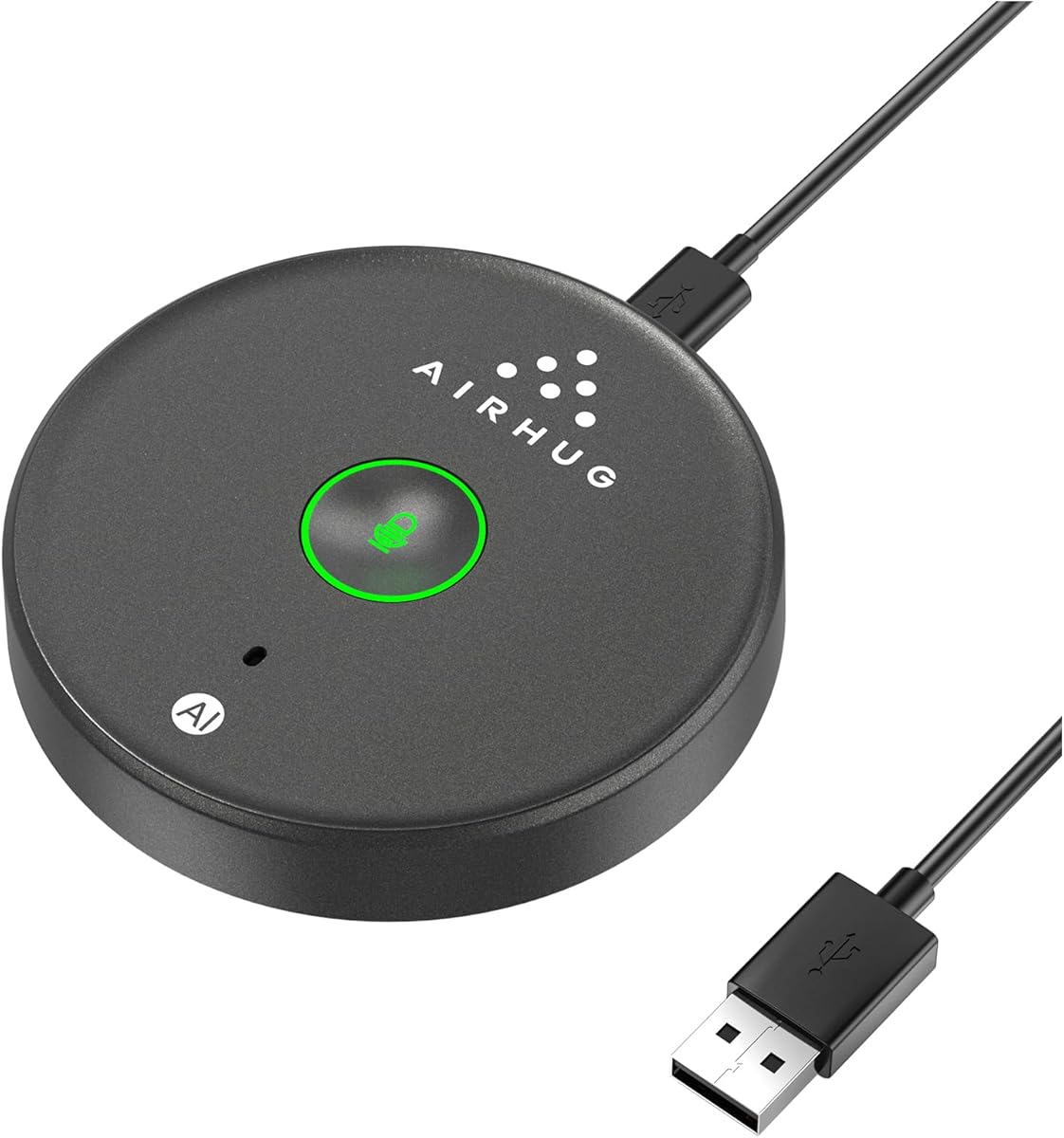
Choosing a USB Desktop Mic: AI Noise Reduction and Mute Controls Matter Most
When selecting a desktop USB microphone like the AIRHUG model, focus on its specific implementation of AI noise reduction and physical mute functionality. Unlike basic condenser mics, this product emphasizes a streamlined 'no speaker' design for pure audio capture, making its plug-and-play simplicity and omnidirectional pattern key differentiators for calls and recording.
Key Considerations Before Buying
- Evaluate the real-world effectiveness of 'AI Noise Reduction'—this feature varies widely between brands and is critical for filtering out keyboard clicks and ambient room noise during calls.
- Assess the mute button's tactile feedback and LED indicator clarity, as this is your primary physical control during meetings and a common point of failure in budget mics.
- Confirm true plug-and-play compatibility with your specific OS and video conferencing apps (Zoom, Teams, etc.), as some USB mics require driver tweaks despite marketing claims.
What Our Analysts Recommend
For a mic in this class, prioritize a sturdy desktop stand or included mount that minimizes desk vibration transfer. Genuine omnidirectional pickup should be validated in reviews mentioning consistent voice capture from slight head movements, not just marketing specs. A braided or reinforced USB cable is a tangible quality indicator over basic plastic sheathing.
Computer Microphones Market Context
Market Overview
The sub-$50 USB desktop microphone market is saturated with nearly identical-looking condenser models, creating fierce competition on features like AI noise cancellation and mute buttons. Brands like AIRHUG compete directly with Fifine, Maono, and Tonor by emphasizing one-click operation and visual design, often at the expense of advanced software control panels.
Common Issues
Users frequently report inconsistent noise suppression where 'AI' features fail with sudden background sounds like door slams or paper rustling. Physical mute buttons can develop sticky mechanisms or produce audible clicks picked up by the mic itself, while overly sensitive omnidirectional patterns may capture excessive room echo.
Quality Indicators
Look for mentions of consistent performance across both voice calls and local recording scenarios, indicating robust driver stability. High-quality models maintain clear audio when the USB port shares bandwidth with other peripherals, a detail often revealed in longer-term user reviews.
Review Authenticity Insights
Grade B Interpretation
A Grade B authenticity rating with an 11% estimated fake review rate suggests the AIRHUG's review corpus is predominantly reliable but contains a modest layer of incentivized feedback. This is typical for competitive computer accessory categories where brands seed early reviews to gain visibility.
Trust Recommendation
Focus on verified purchase reviews that describe specific use cases like online teaching or podcasting, as these contain actionable details about the AI noise reduction's real performance. Be slightly skeptical of reviews emphasizing unboxing aesthetics over audio performance testing.
Tips for Reading Reviews
Prioritize reviews that mention testing the mute button's LED visibility in different lighting conditions and the mic's handling of fan or air conditioner noise—these are authentic pain points. Reviews noting consistent performance after 2-3 months of daily use carry more weight than first-impression posts.
Expert Perspective
The AIRHUG microphone presents a compelling value proposition with its strong adjusted 4.4/5 rating from genuine users, indicating it delivers on core promises of plug-and-play operation and effective noise reduction for most users. Its 'no speaker' design correctly focuses resources on capture quality rather than redundant audio output. The high rating amidst a competitive field suggests its physical mute button and LED implementation likely outperform cheaper alternatives where these features feel tacked-on. However, the authenticity grade implies some marketing amplification exists around its ease of use.
Purchase Considerations
Choose this mic if your priority is a streamlined setup for video conferences and online classes where quick muting and background noise suppression are critical. Consider alternatives if you require adjustable polar patterns or gain control via software, as the AIRHUG's omnidirectional-only design and apparent lack of a control panel limit audio fine-tuning.
Comparing Alternatives
Shoppers should compare the AIRHUG's noise cancellation performance and build quality against similarly priced models from Fifine and Maono, which sometimes offer cardioid patterns.


