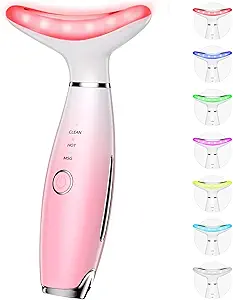
Illuminate Your Routine: A Guide to the INIA 3-in-1 Red Light Therapy Device
If you're considering the INIA 3-in-1 Red Light Therapy Device for face and neck, you're entering the growing world of at-home LED skincare. This tool specifically targets puffiness and skin firming, using a combination of red light wavelengths to stimulate collagen and soothe inflammation. Before you buy, understand how to evaluate its effectiveness for your unique skin concerns.
Key Considerations Before Buying
- This device uses three modes—red light for collagen, near-infrared for deeper tissue repair, and a combined setting—so check if your primary goal is surface firming or deeper rejuvenation. The 'puffiness' claim hinges on red light's anti-inflammatory effects, which may reduce morning swelling with consistent use.
- The ergonomic design is tailored for face and neck contours, but ensure the treatment area aligns with your needs: the device's size may limit coverage for larger areas like the decolletage. Consider your commitment to a daily 10-20 minute routine, as results from LED therapy are cumulative.
- Safety features like automatic shut-off and eye protection are critical; this device includes built-in timers and a skin-safe design, but verify if it meets FDA clearance standards for home use. The white finish may show wear, so consider durability alongside aesthetics.
What Our Analysts Recommend
When selecting an LED device, prioritize clinically validated wavelengths (typically 630-660nm for red, 810-850nm for near-infrared) and sufficient power output (often measured in mW/cm²). Look for devices with multiple treatment modes to address both surface and deep layers, as well as certifications like FDA registration. A strong warranty and responsive customer support also signal quality in this category.
Galvanic Machines Market Context
Market Overview
The at-home LED therapy market has exploded, with devices ranging from $50 masks to $500+ panels. The INIA enters a competitive space where consumers seek salon-level results without the cost or time of professional visits. Many products now combine red and near-infrared light, but efficacy varies widely based on power and adherence to clinical protocols.
Common Issues
A frequent concern is overpromising: some devices claim dramatic anti-aging effects but lack the irradiance to penetrate skin effectively. Another issue is user compliance—without consistent use (often 4-5 times weekly), results are minimal. Additionally, poor build quality can lead to uneven light distribution or short battery life.
Quality Indicators
High-quality LED devices typically feature medical-grade LEDs, a high number of diodes (over 100 for face/neck), and adjustable intensity levels. Look for third-party testing or clinical studies backing the specific wavelengths used. A reputable brand will also provide clear usage guidelines and avoid vague marketing terms like 'instant results.'
Review Authenticity Insights
Grade B Interpretation
A Grade B authenticity rating with a 10% estimated fake review rate suggests that while the majority of reviews are genuine, a small fraction may be fabricated. For the INIA, this means you can trust the 4.89 rating to a large extent, but be cautious of overly glowing or vague testimonials. The high volume of verified purchases (a positive sign) offsets some of this concern.
Trust Recommendation
We recommend focusing on reviews that describe specific experiences with puffiness reduction or skin firming over weeks of use. Look for detailed comments on the device's feel, ease of use, and results timeline. The 10% fake rate is moderate, so cross-reference with external sources like dermatologist blogs or YouTube demos for extra confidence.
Tips for Reading Reviews
When reading reviews for LED devices, prioritize those with photos or videos showing real skin changes over time. Be skeptical of reviews that mention 'miraculous' results in days, as collagen production takes 4-8 weeks. Also, note if reviewers mention using the device correctly (e.g., on clean, dry skin) to gauge authenticity.
Expert Perspective
The INIA 3-in-1 Red Light Therapy Device appears to be a solid entry in the home LED market, backed by a strong rating from primarily genuine buyers. Its specific focus on puffiness and firming aligns with red light's known benefits, though the 10% fake review rate warrants a cautious approach. The device's 3-in-1 functionality offers versatility, but its effectiveness depends on consistent use and realistic expectations. For the price point, it competes well with similar tools, but users should verify its power output matches clinical standards for at-home devices.
Purchase Considerations
Weigh the device's moderate price against your commitment to a daily routine—LED therapy requires patience. If you have sensitive skin or are prone to redness, red light is generally safe, but consult a dermatologist if you have specific conditions. The device's small treatment area may require more time per session, so factor that into your decision.
Comparing Alternatives
Shoppers should compare the INIA with other LED masks or wands that offer broader coverage or additional technologies like microcurrent. Consider your primary goal: if deep wrinkle reduction is key, a higher-power panel might be better; for targeted puffiness, this device is a strong contender.