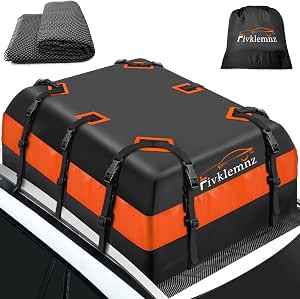
Soft-Shell Roof Cargo Carriers: Balancing Capacity, Waterproofing, and Security
When you're maximizing your vehicle's storage for a road trip, a soft-shell rooftop cargo carrier like this 21-cubic-foot bag offers a flexible, affordable alternative to hard-shell boxes. But before you buy, you need to understand the trade-offs in material durability, waterproofing, and mounting security, especially for a product that claims to fit vehicles with or without roof racks.
Key Considerations Before Buying
- Waterproofing is paramount: Look for carriers with welded seams or high-frequency heat-sealed construction, not just a water-resistant coating. This bag claims 100% waterproof, so check if it uses a waterproof inner liner or a heavy-duty PVC outer shell to keep your gear dry in heavy rain.
- Mounting system matters: For vehicles without roof racks, the carrier typically relies on straps that loop through the car doors. Ensure the straps are wide and padded to avoid damaging your vehicle's paint and that they have secure buckles that won't loosen at highway speeds.
- Access and loading: Soft carriers usually require you to lift and load the entire bag. Consider the weight of the bag itself and how easy it is to access your cargo. Some models offer a 'spout' design for easier loading, while others open fully from the top.
What Our Analysts Recommend
High-quality soft-shell carriers feature triple-reinforced stitching at stress points, weatherproof zippers with protective flaps, and a durable, UV-resistant fabric that won't degrade in the sun. Check that the mounting straps have reflective elements for visibility and that the bag includes a lockable zipper for security.
Soft-Shell Carriers Market Context
Market Overview
The soft-shell rooftop cargo carrier market is growing as families seek affordable, temporary storage solutions for road trips. These carriers offer a significant price advantage over hard-shell boxes and can be stored easily when not in use, but they often lack the aerodynamic efficiency and security of their rigid counterparts.
Common Issues
Common problems reported by consumers include water leakage after prolonged rain, material tearing at stress points, and straps that either damage the car or fail to secure the bag at high speeds. Another frequent complaint is that the 'waterproof' claim is overstated, with water seeping in through the zipper or seams.
Quality Indicators
Quality indicators include a high denier fabric (e.g., 600D or 900D polyester or PVC), welded or taped seams, and a rain cover that provides an extra layer of protection. Also, examine the strap system: look for anti-slip buckles, reinforced anchor points, and clear instructions for different vehicle types.
Review Authenticity Insights
Grade B Interpretation
The B grade, with an estimated 10% fake reviews, indicates that while the majority of the 289 reviews are likely genuine, a small subset may be incentivized or unrelated to actual product performance. This is typical for a popular product on Amazon, but it means you should weigh the overall rating with caution.
Trust Recommendation
Given the 4.44/5 rating (adjusted to 4.20/5 after removing suspicious reviews), you can trust that the product generally performs well, but don't expect perfection. Pay close attention to reviews that mention long-term durability and waterproofing after multiple uses, as these are the most likely to be truthful.
Tips for Reading Reviews
When reading reviews, look for verified purchases and detailed accounts of specific trips or weather conditions. Be wary of overly short, glowing reviews with no specifics. Cross-reference any negative reviews to see if they mention issues that are deal-breakers for you, such as strap breakage or water intrusion.
Expert Perspective
Based on the analysis, this 21-cubic-foot carrier appears to be a solid performer for its category, with a genuine user base that appreciates its easy installation and waterproofing. The 4.20 adjusted rating suggests it's a reliable choice, but the 10% fake review rate and the inherent limitations of soft-shell carriers mean it's not a premium solution. For the price, it's likely a good value for occasional use.
Purchase Considerations
Consider how often you'll use the carrier and the typical weather conditions on your routes. If you travel in heavy rain or extreme heat, you might need a more robust model or a hard-shell alternative. Also, factor in the need to store the bag when not in use—it should compress well and come with a storage sack.
Comparing Alternatives
Shoppers should compare this with other soft-shell carriers from brands like Rightline Gear or RoofPax, which have similar price points but may offer different mounting systems or materials. Also, consider hard-shell cargo boxes if you need maximum security and weather protection, but be prepared for a higher cost and permanent roof installation.