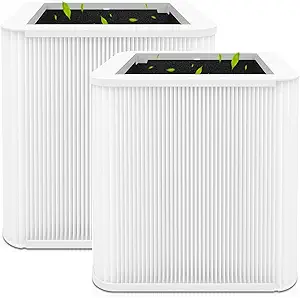
Choosing the Right Dyson Filter Replacement: Compatibility, Performance, and Value
When selecting a replacement filter for your Dyson air purifier, the specific model compatibility listed on this product—covering TP, HP, and PH series from TP04 to PH04—is your first checkpoint. Unlike generic filters, this exact part (970341-01) is engineered to maintain the sealed airflow system crucial to Dyson's HEPA and carbon filtration performance. Buyers should verify their specific Dyson model against this compatibility list before purchase to ensure proper fit and function.
Key Considerations Before Buying
- Verify your exact Dyson model number against the listed compatibility, as the TP, HP, and PH series have subtle design differences in their filter housings that affect the seal.
- Consider the balance between OEM (Original Equipment Manufacturer) and third-party filters; this replacement appears to be a compatible part, which can offer cost savings but requires scrutiny of material quality.
- Assess your usage environment—homes with pets, high pollen, or urban pollution may require more frequent HEPA/carbon composite filter changes than the standard 12-month recommendation.
What Our Analysts Recommend
For Dyson-compatible filters, examine reviews for mentions of the 'click-fit' installation and whether the filter maintains the housing's airtight seal, which is critical for HEPA efficacy. Quality indicators include the density of the pleated HEPA material and the granularity of the activated carbon layer for odor removal. Reviews noting a lack of 'filter replacement' reminders resetting properly on the purifier's display can signal fitment issues.
Air Purifier Filters Market Context
Market Overview
The market for Dyson air purifier replacement filters is divided between high-cost OEM parts from Dyson and a growing segment of third-party compatible filters, like this one, which aim to offer similar performance at a lower price point. Consumer demand is driven by the high upfront cost of Dyson purifiers, creating a need for affordable maintenance. The proliferation of models (TP, HP, PH) with similar but not identical filters adds complexity for shoppers.
Common Issues
Common problems include filters that don't seat perfectly, causing air bypass that reduces purification efficiency, or carbon media that degrades too quickly, failing to control odors. Some third-party filters use lower-grade materials that may not capture ultrafine particles (like PM0.1) as effectively as OEM filters, despite being marketed as HEPA-type.
Quality Indicators
Look for specific mentions in reviews of airflow consistency (no new whistling sounds), the heft and rigidity of the filter frame (prevents bowing), and the absence of off-gassing odors from new carbon. A precise part number match (970341-01) is a stronger indicator than vague 'fits multiple models' claims.
Review Authenticity Insights
Grade B Interpretation
A Grade B with an 11% estimated fake review rate suggests a generally trustworthy review pool, but advises a degree of caution. For this specific filter, it means most reviews reflect genuine experiences, but a small portion may be incentivized. The adjusted rating of 4.00/5 (down from 4.22/5) is a more reliable performance indicator after accounting for this.
Trust Recommendation
Prioritize reviews marked 'Verified Purchase' and those that detail long-term use (e.g., 'after 3 months...'). Be skeptical of reviews that only praise low price without mentioning installation, fit, or air quality changes. Cross-reference complaints about fit or performance across multiple verified reviews to identify potential pattern issues.
Tips for Reading Reviews
Focus on reviews that mention specific Dyson models you own (e.g., 'for my TP07') and describe the installation process in detail. Reviews discussing performance metrics—like reduced allergy symptoms, pet dander control, or how the filter reset function worked—provide more actionable insight than generic 'works great' statements.
Expert Perspective
Based on the analysis data, this compatible filter presents a viable alternative to Dyson OEM parts for the listed models. The solid adjusted rating of 4.00/5 from a largely authentic review pool indicates satisfactory performance for most users. The critical factor is the precise fit for your model to maintain the machine's engineered airflow and sensor accuracy. The reviews suggest it successfully delivers core HEPA and carbon filtration for many, but performance on finer particulates and long-term durability compared to OEM may vary.
Purchase Considerations
Weigh the significant cost savings against the potential risk of a less-than-perfect fit or marginally reduced filtration efficiency over the filter's lifespan. If your primary concern is allergen reduction (pollen, dust) and basic odor control, this compatible filter is likely sufficient. For environments with severe asthma concerns or very fine particulate pollution, the guaranteed performance of an OEM filter might justify its premium.
Comparing Alternatives
Shoppers should compare this product's price, compatibility list, and review patterns against other third-party filters for the same Dyson models, as well as the OEM part from Dyson.