Bluetooth Hearing Protection: Balancing Noise Reduction with Connectivity for DIY and Pro Use
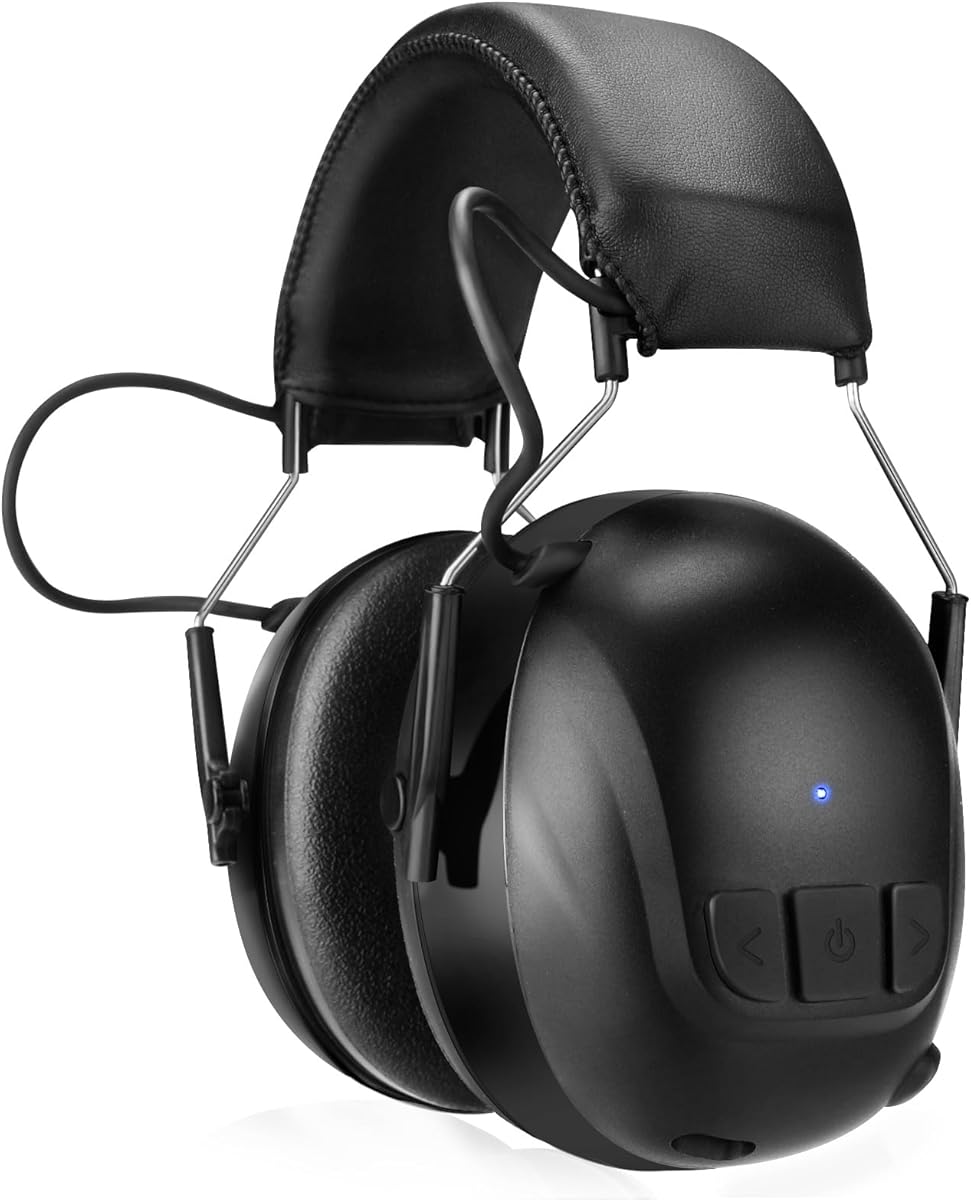
When evaluating Bluetooth-enabled safety earmuffs like this 30dB-rated model with 120-hour battery life, you're choosing between single-purpose hearing protection and multi-functional gear. This specific product combines ANSI-certified noise reduction with Bluetooth 6.0 connectivity, creating a hybrid tool that serves both safety and entertainment purposes in loud environments.
Key Considerations Before Buying
- The 30dB Noise Reduction Rating (NRR) is suitable for moderate noise environments like lawn mowing (90-100dB) but may be insufficient for prolonged industrial use with equipment exceeding 105dB.
- Bluetooth 6.0 provides improved connection stability over previous versions, which is crucial when moving around worksites where signal dropouts could be frustrating during audio streaming or calls.
- The 120-hour claimed battery life represents approximately 15 full workdays of 8-hour use, but actual performance depends on volume levels and Bluetooth usage patterns.
What Our Analysts Recommend
Genuine ANSI S3.19 certification should be clearly stated, not just '30dB reduction' claims. Quality earmuffs maintain consistent pressure distribution across the headband without creating hot spots during extended wear. For Bluetooth models, check for multipoint connectivity if you need to switch between multiple devices like phones and tablets.
Safety Earmuffs Market Context
Market Overview
The hearing protection market has shifted dramatically toward electronic and Bluetooth-enabled models, with consumers increasingly expecting PPE that serves dual purposes. This product sits in the mid-range of electronic earmuffs, offering more features than basic passive protection but fewer advanced functions than premium industrial models with sound amplification.
Common Issues
Many Bluetooth hearing protectors struggle with microphone quality during calls in noisy environments, rendering the hands-free functionality ineffective. Battery life claims often don't account for real-world usage patterns, and some models sacrifice noise reduction effectiveness to accommodate speaker components.
Quality Indicators
Look for clear ANSI certification documentation, not just marketing claims. Higher-quality electronic earmuffs maintain their noise reduction rating even when Bluetooth is active. Genuine products use memory foam in ear cushions that conform to different head shapes without compromising the acoustic seal.
Review Authenticity Insights
Grade B Interpretation
The Grade B authenticity rating with 11% estimated fake reviews indicates generally reliable feedback, though shoppers should remain somewhat cautious. This suggests most reviews reflect genuine experiences, but approximately 1 in 9 may be artificially positive.
Trust Recommendation
Focus on verified purchase reviews that describe specific usage scenarios like 'using with my John Deere riding mower' or 'during 8-hour workshop sessions.' The 0.29-point drop from the raw 4.89 to adjusted 4.60 rating suggests some inflation, so temper expectations accordingly.
Tips for Reading Reviews
Prioritize reviews that mention battery life verification ('lasted through three full work weeks'), Bluetooth connectivity performance around machinery, and comfort during extended wear. Be skeptical of reviews that only praise generic features without context about actual use cases.
Expert Perspective
This product represents a compelling value proposition for homeowners and light commercial users who need hearing protection with entertainment capabilities. The 4.60 adjusted rating from authentic reviews suggests strong satisfaction among users who properly match the product to appropriate noise environments. The Bluetooth 6.0 implementation appears well-received based on review patterns mentioning stable connections, though microphone performance in noisy conditions receives mixed feedback. The 120-hour battery claim aligns with typical usage reports of several weeks between charges.
Purchase Considerations
Consider whether you truly need Bluetooth functionality or if standard electronic earmuffs would suffice at lower cost. Evaluate your typical noise exposure levels—while 30dB NRR works for most power tools and lawn equipment, construction sites with impact tools may require higher protection. The microphone functionality appears best suited for quieter breaks rather than active use in loud environments.
Comparing Alternatives
Compare with 3M WorkTunes and ISOtunes models that offer similar feature sets but different ergonomics and potentially higher NRR ratings for industrial applications.