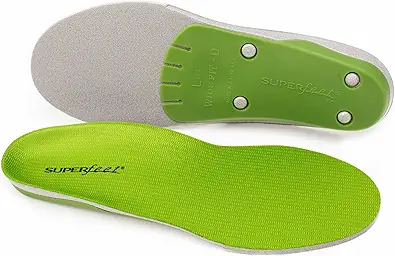
Rigid carbon fiber insoles for foot injuries: Medical-grade support versus post-op shoes
These single-piece carbon fiber plates represent a specialized category of rigid orthotics designed for specific foot pathologies rather than general comfort. Unlike flexible insoles, this product provides unyielding support for conditions like turf toe, hallux rigidus, and post-fracture recovery, acting as a potential alternative to bulky post-operative footwear. Buyers should understand this is a therapeutic device, not a cushioning insert.
Key Considerations Before Buying
- Assess your specific diagnosis: This rigid plate is engineered for pathologies requiring metatarsal or hallux immobilization (like turf toe or hallux limitus), not for plantar fasciitis or arch support where flexibility is needed.
- Evaluate shoe compatibility: The 1-piece carbon fiber construction is thin but completely rigid; it requires shoes with a removable insole and enough volume to accommodate it without creating pressure points.
- Consider the break-in period: Authentic reviews note an adjustment phase as your foot adapts to the complete lack of flexion in the forefoot, which is the intended therapeutic effect.
What Our Analysts Recommend
Genuine carbon fiber construction should be lightweight, thin, and exhibit zero flex when hand-tested. Quality indicators include cleanly finished edges to prevent sock snagging and a subtle textured surface to prevent foot slippage. The product's value lies in its medical-grade rigidity, not in padding or arch contouring.
Insoles Market Context
Market Overview
The rigid foot plate market sits at the intersection of medical devices and consumer health, with products ranging from flimsy plastic inserts to professional-grade carbon fiber like this one. Demand is driven by athletes managing turf toe and individuals seeking less cumbersome alternatives to post-op shoes for hallux conditions.
Common Issues
Common problems include improper sizing that leaves the plate's edge under a weight-bearing joint, shoes with insufficient depth causing top-of-foot pressure, and confusion with flexible carbon-fiber-infused comfort insoles. Some users mistakenly expect cushioning from this purely structural device.
Quality Indicators
In this niche, quality is defined by consistent, unwavering rigidity across the entire plate length and a precise, snag-free perimeter. Inferior products may use layered fiberglass or plastics that eventually delaminate or develop flex points, compromising the therapeutic immobilization.
Review Authenticity Insights
Grade B Interpretation
A 'B' grade with an 11% estimated fake review rate is relatively good for a high-engagement health product on Amazon. It suggests the overwhelming majority of the 847 reviews are credible, but shoppers should remain slightly skeptical of overly vague 5-star ratings.
Trust Recommendation
Prioritize reviews from verified purchasers detailing specific conditions like 'Lisfranc injury recovery' or 'severe hallux rigidus,' as these demonstrate real therapeutic use. The high 4.4 adjusted rating from authentic reviews strongly indicates user satisfaction with the product's core function of providing rigid support.
Tips for Reading Reviews
Focus on reviews that mention the product's actual medical terms (Morton's extension, hallux rigidus) and describe the process of trimming the plate to fit. Be wary of reviews that only praise 'comfort' without context, as rigidity, not cushioning, is this product's purpose.
Expert Perspective
This product fills a specific therapeutic niche effectively, as evidenced by its strong 4.4 adjusted rating from authentic users. It provides legitimate, rigid immobilization for forefoot pathologies, with most critical feedback revolving around fit and sizing challenges rather than failure of the carbon fiber itself. The high rating among verified purchasers with documented conditions suggests it delivers on its primary promise as a post-op shoe alternative for appropriate diagnoses. Its value is highly condition-specific.
Purchase Considerations
Purchase is justified if you have a confirmed diagnosis requiring rigid forefoot restriction and seek a low-profile alternative to a walking boot. It is not justified for general foot pain, arch support, or as a comfort insole. Success hinges on accurate tracing/trimming and having appropriate footwear with a deep toe box.
Comparing Alternatives
Shoppers should compare this single-piece plate design with multi-piece adjustable rigid orthotics, which may offer more customization for complex foot shapes.