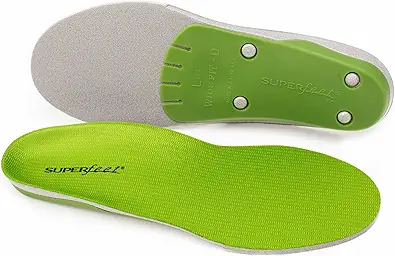
Rigid carbon fiber insoles for serious foot conditions requiring immobilization
These aren't typical cushioning insoles—they're rigid carbon fiber plates designed to immobilize the forefoot for specific medical conditions. Unlike flexible orthotics, this product provides structural support for turf toe, fractures, Morton's neuroma, and hallux conditions by limiting toe extension.
Key Considerations Before Buying
- These insoles are specifically for immobilization, not comfort—they're intentionally rigid and may require shoe modifications or specific footwear with removable insoles.
- Proper sizing is critical since carbon fiber doesn't flex; measure your existing shoe insoles precisely rather than relying on shoe size alone.
- These serve as an alternative to post-op shoes but aren't medical devices; consult a healthcare provider for serious fractures or post-surgical needs.
What Our Analysts Recommend
Quality carbon fiber insoles should maintain rigidity without cracking under normal walking pressure. Check that the carbon fiber plate extends sufficiently to support the metatarsal heads while allowing natural heel movement. The top layer should provide adequate friction to prevent foot slippage on the rigid surface.
Insoles Market Context
Market Overview
The rigid insole market has expanded beyond traditional orthotics, with carbon fiber emerging as a lightweight alternative to plastic plates. These products occupy a niche between medical devices and consumer health products, appealing to athletes with turf toe and individuals seeking alternatives to bulky post-op footwear.
Common Issues
Users frequently report sizing mismatches since rigid inserts can't conform to shoe shapes, and improper thickness can cause shoes to fit too tightly. Some products use layered carbon fiber that may delaminate, while others lack adequate surface texture, causing the foot to slide.
Quality Indicators
Genuine carbon fiber should have visible woven patterns and consistent thickness without warping. High-quality versions feature beveled edges to prevent pressure points and include multiple sizing options rather than one-size-fits-most approaches.
Review Authenticity Insights
Grade B Interpretation
A Grade B with 11% estimated fake reviews indicates generally trustworthy feedback with some potential manipulation. The 4.40 adjusted rating (down from 4.67) suggests genuine satisfaction but slightly inflated initial scores.
Trust Recommendation
Focus on verified purchase reviews mentioning specific conditions like hallux rigidus or turf toe recovery—these demonstrate authentic use cases. Be skeptical of reviews that don't mention medical conditions or fitting challenges.
Tips for Reading Reviews
Prioritize reviews discussing actual medical conditions, shoe modifications made, and duration of use. Look for balanced feedback addressing both benefits (immobilization) and drawbacks (shoe fit issues, break-in period).
Expert Perspective
This product fills a specific need for forefoot immobilization with carbon fiber's advantage of being lightweight yet rigid. The high adjusted rating of 4.40 suggests genuine user satisfaction among those with appropriate conditions. However, it's not a general-purpose insole—its value depends entirely on needing restricted toe movement. The product appears most effective for mild to moderate conditions where complete immobilization isn't required.
Purchase Considerations
Consider whether your footwear can accommodate the 3-4mm thickness of rigid carbon plates, particularly in the toe box. These work best in athletic shoes with removable insoles rather than dress shoes or boots with fixed footbeds. Evaluate if your condition requires the specific 3/4 length design or if full-length support would be more appropriate.
Comparing Alternatives
Compare with plastic polymer plates and full-length carbon fiber insoles, which offer different rigidity profiles and weight distribution.