Choosing a Bluetooth Mouse for Mac: Comfort, Quiet Clicks, and Cross-Platform Use
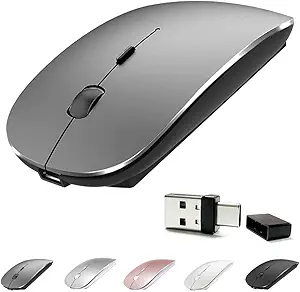
When selecting a wireless mouse like the Macally model for your MacBook or iPad, prioritize ergonomics for long work sessions and silent operation for shared spaces. This specific product emphasizes a rechargeable battery and cross-compatibility, which are key differentiators from Apple's own Magic Mouse.
Key Considerations Before Buying
- Evaluate the ergonomic shape against Apple's notoriously flat Magic Mouse; the Macally's contoured design aims to reduce wrist strain during extended use.
- Assess Bluetooth connectivity stability across your devices; a mouse that frequently drops connection with your MacBook Pro or iPad defeats its purpose.
- Consider the rechargeable battery's lifespan and charging method; a mouse that charges via a common USB-C cable offers more convenience than proprietary solutions.
What Our Analysts Recommend
For a quality Bluetooth mouse, check for consistent tracking on various surfaces (glass desks are a common challenge) and minimal input lag, which is critical for precise cursor control. The tactile feedback and quietness of the buttons, as advertised by Macally, are also direct indicators of build quality.
Mice Market Context
Market Overview
The market for Mac-compatible mice is crowded with third-party alternatives promising better ergonomics and features than Apple's first-party option, often at a lower price point. Products like this Macally mouse compete directly on comfort, button quietness, and inclusion of a rechargeable battery—a feature Apple only added recently.
Common Issues
Common problems include Bluetooth pairing difficulties, especially when switching between a Mac and an iPad, and inconsistent scrolling precision. Some third-party mice also suffer from poor battery management, where sleep modes are too aggressive or battery life indicators are unreliable.
Quality Indicators
Look for mice that use precision optical sensors (often rated in DPI) for smooth tracking and mention multi-device pairing or dedicated switching buttons. A solid build with minimal button wobble and a finish that resists fingerprints, like the advertised silver color, also signals better manufacturing.
Review Authenticity Insights
Grade B Interpretation
A Grade B authenticity rating with an 11% estimated fake review rate suggests the overall feedback is reasonably trustworthy, but shoppers should be slightly cautious of overly glowing reviews. The adjusted rating of 3.90/5, down from 4.11/5, is a more reliable indicator of real user satisfaction.
Trust Recommendation
Focus on verified purchase reviews that detail specific use cases, like using the mouse with an M-series MacBook Air or an iPad Pro. Be skeptical of reviews that only praise the product in generic terms without mentioning its quiet clicks, comfort, or battery life in a real-world context.
Tips for Reading Reviews
Pay close attention to reviews discussing long-term durability over months of use and any issues with the rechargeable battery's performance over time. Reviews that compare it directly to the Apple Magic Mouse's shape or scrolling experience provide particularly valuable, specific insights.
Expert Perspective
The Macally mouse presents a compelling value proposition for Mac users seeking a more ergonomic and quieter alternative to Apple's Magic Mouse. Its 3.90 adjusted rating reflects solid real-world performance, though it likely faces minor consistency issues common in this segment, such as occasional Bluetooth hiccups. The emphasis on a contoured shape and silent clicks directly addresses two major pain points of the default Apple accessory, making it a targeted solution.
Purchase Considerations
This mouse is best suited for users who prioritize comfort during long computing sessions and work in quiet environments like libraries or offices. However, if you heavily rely on the Magic Mouse's multi-touch surface for gestures, you'll need to assess if the Macally's standard button layout is a suitable trade-off for the improved ergonomics.
Comparing Alternatives
Shoppers should compare this model with similar offerings from Logitech and Anker, which may offer different ergonomic shapes or advanced features like programmable buttons.