Smart Scale Buying Guide: Key Factors for Choosing a Body Composition Analyzer
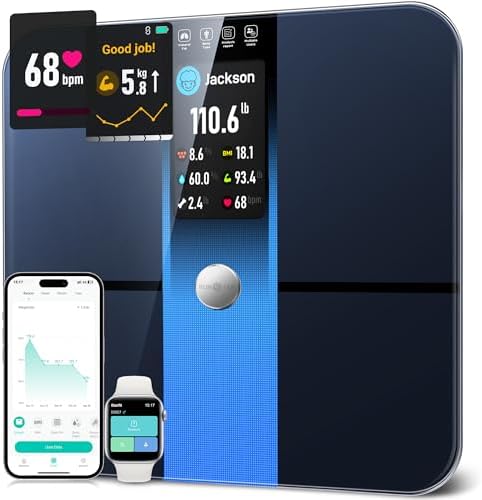
When shopping for a digital bathroom scale like the RunStar, which boasts a 3.5-inch TFT color display and 22-body composition metrics, it's crucial to focus on accuracy, connectivity, and the range of health data offered. This guide helps you navigate features such as heart rate monitoring, muscle mass analysis, and app synchronization to ensure you select a scale that truly supports your fitness goals.
Key Considerations Before Buying
- Consider the number and relevance of body composition metrics: The RunStar offers 22 measurements including BMI, muscle mass, and heart rate, but ensure these align with your specific health tracking needs, as more isn't always better if you don't use them.
- Evaluate the display and app integration: The 3.5-inch TFT color display on the RunStar provides clear, at-a-glance readings, but check if the companion app is user-friendly and syncs reliably with your smartphone for long-term trend tracking.
- Assess weight capacity and platform stability: With a 400lb limit, the RunStar accommodates a wide range of users, but verify that the scale's surface and feet provide sufficient grip and stability for safe, consistent use.
What Our Analysts Recommend
Look for scales with high-precision sensors (like the RunStar's) that deliver consistent readings within 0.1lb increments. Also, prioritize models with a proven track record of app compatibility (iOS/Android) and data privacy policies, as sensitive health metrics are stored digitally.
Digital Market Context
Market Overview
The smart scale market has expanded rapidly, with devices now offering advanced bioelectrical impedance analysis (BIA) to measure everything from body fat to visceral fat. Brands like RunStar compete by integrating colorful displays and expanded metrics, but differentiation often hinges on app ecosystem and data accuracy.
Common Issues
Users frequently report inconsistent readings due to surface unevenness or low batteries, and app syncing glitches that disrupt data tracking. Some scales also struggle with accurate heart rate monitoring compared to dedicated devices, so manage expectations for such secondary features.
Quality Indicators
High-quality smart scales use tempered glass platforms, multiple sensors, and conductive pads for reliable BIA measurements. Consistent user reviews praising repeatability and seamless Bluetooth or Wi-Fi connectivity are strong signals of a durable, well-engineered product.
Review Authenticity Insights
Grade B Interpretation
The Grade B authenticity rating with an 11% estimated fake review rate suggests that while the majority of RunStar's reviews are genuine, a notable minority may be incentivized or fabricated. This doesn't discredit the product but advises caution when weighing overly positive testimonials.
Trust Recommendation
Given the 4.89 average rating (adjusted to 4.60 after removing suspicious reviews), shoppers can trust that real users generally find the scale satisfactory. However, focus on verified purchase reviews and those detailing specific setup or usage challenges to get a balanced view.
Tips for Reading Reviews
For smart scales, prioritize reviews that mention long-term use (weeks or months) and compare readings to other devices. Look for comments on app stability and measurement consistency, as these are common pain points not always highlighted in short-term reviews.
Expert Perspective
The RunStar Scale offers a comprehensive suite of 22 body composition metrics and a vibrant TFT display at a competitive price point, making it a strong contender for fitness enthusiasts. Its 4.60 adjusted rating reflects solid user satisfaction, though the 11% fake review rate indicates some marketing noise. The scale's 400lb capacity and heart rate monitoring add versatility, but the latter may not rival dedicated wearables.
Purchase Considerations
If you value a large, easy-to-read display and detailed body analysis beyond just weight, the RunStar is a worthy investment. However, weigh its app ecosystem against competitors like Fitbit or Withings if you prioritize seamless integration with other health devices or advanced data insights.
Comparing Alternatives
Shoppers should compare the RunStar with similarly priced smart scales from brands like Etekcity or Wyze, which may offer fewer metrics but stronger app ecosystems or lower price points, depending on individual priorities.