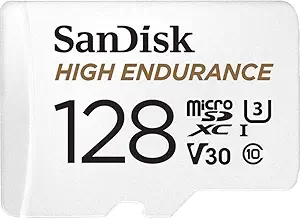
Bulk MicroSDXC Cards: Balancing Value with Performance for Multi-Device Use
This Factory Wholesale 6-pack offers a specific value proposition for users needing multiple, moderate-performance cards. The U3 and Class 10 ratings indicate a minimum write speed of 30MB/s, suitable for 4K video recording, but this is a baseline spec for bulk-oriented cards. Buyers should understand this is a licensed product, not from a first-tier brand like SanDisk or Samsung.
Key Considerations Before Buying
- The UHS-I U3 rating ensures a minimum sustained write speed for basic 4K video, but don't expect the peak speeds of V30 or V60 cards used by professionals.
- Purchasing a 6-pack is cost-effective for distributing storage across multiple devices like security cameras, drones, or game consoles, but introduces single-point failure risk if the batch has issues.
- Being produced by an 'Authorized Licensee' means it meets certain specifications, but longevity and consistent performance across all six cards can vary more than with established brands.
What Our Analysts Recommend
For bulk packs, consistency is key. Check reviews for mentions of performance variance between cards in the pack. The included SD adapter is a basic necessity; ensure it's mentioned as functional in reviews. Given the licensing model, look for any mention of warranty or support channels, which are often limited compared to major brands.
Micro SD Cards Market Context
Market Overview
The microSD market is sharply divided between premium brands guaranteeing endurance and speed, and value-focused bulk packs like this one. The 'authorized licensee' model is common, where factories produce cards to a spec that can be sold under various labels, often prioritizing capacity and baseline speed over extreme durability.
Common Issues
With value-priced, multi-card packs, common failures include one or two cards in the pack being dead on arrival (DOA) or failing prematurely, slower-than-advertised real-world speeds, and compatibility issues with specific devices like Nintendo Switch or dash cams that can be firmware-sensitive.
Quality Indicators
For licensed bulk cards, a high percentage of verified purchases in reviews is crucial. Look for reviews detailing long-term use (6+ months) and performance in continuous write scenarios like security camera footage. Packaging that includes individual protective cases, though not present here, is a bonus for card longevity.
Review Authenticity Insights
Grade B Interpretation
A 'B' grade with an estimated 15% fake review rate is typical for this market segment. It suggests generally authentic feedback but with some inflated positivity. The adjusted rating of 4.30/5 (down from 4.67) is a more reliable indicator of real-user satisfaction.
Trust Recommendation
Prioritize reviews that mention specific, sustained use cases like 'using in my Raspberry Pi for 8 months' or 'records 4K on my GoPro without dropouts.' Be slightly skeptical of reviews only praising the low price or that lack device-specific context, as these may be part of the inflated segment.
Tips for Reading Reviews
Focus on critical 3- and 4-star reviews for this product type; they often reveal the realistic trade-offs, such as adequate speed for the price but slower than a branded V30 card. Look for patterns in 1-star reviews—if failures are random versus clustered around a specific issue like formatting errors.
Expert Perspective
This product represents a calculated compromise. The data suggests it reliably delivers functional 64GB storage at a compelling per-card price, suitable for non-critical applications. The 4.30 adjusted rating from verified buyers indicates most users receive what they expect: a working, baseline-spec card. However, the 'authorized licensee' model and bulk nature mean you're trading off the rigorous quality control, consistent high-speed performance, and robust warranty of a first-tier brand for upfront cost savings. It fills a niche for users who need multiple cards and prioritize capacity over peak performance.
Purchase Considerations
Weigh the cost savings against your use case. For archiving photos, running a home security system, or expanding storage on multiple low-write devices, this pack is sensible. For intensive, continuous writing in a high-end action camera or as primary storage for a critical device, the risk of variance or failure may outweigh the savings.
Comparing Alternatives
Shoppers should compare the per-card cost against single cards from brands like SanDisk Ultra or Samsung EVO Select, which offer similar U3/C10 specs with established reliability, often at a slightly higher per-unit price.