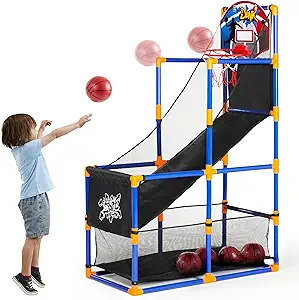
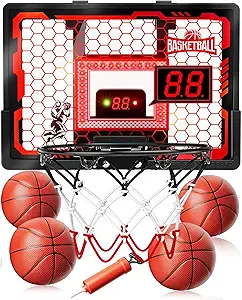
Choosing the Right Adjustable Toddler Hoop: Height, Stability, and Ball Quality
When selecting an adjustable basketball hoop for toddlers aged 1-4, focus on products with genuine height adjustability rather than fixed positions. This specific model claims indoor/outdoor versatility, so examine how the base handles different surfaces like hardwood floors versus poolside concrete. The inclusion of three balls suggests consideration for replacements, but ball size and texture matter for tiny hands.
Key Considerations Before Buying
- True height adjustability: Look for mechanisms that allow incremental changes from 2-4 feet to grow with your child, not just one or two preset positions.
- Base stability versus portability: For toddlers who will pull on the rim, a weighted base is essential, but consider if it's easily filled/emptied for moving between rooms.
- Ball appropriateness: Mini basketballs should be 5-6 inches in diameter with textured surfaces for toddler grip, not slick vinyl that's difficult to handle.
What Our Analysts Recommend
Examine the backboard material—durable plastic should have some flex to withstand toddler throws without cracking. The rim should have a forgiving nylon net rather than metal chains that could pinch fingers. For multi-surface use, check if the base has rubberized padding to protect indoor floors while providing outdoor stability.
Toy Basketball Market Context
Market Overview
The toddler basketball market is saturated with similar-looking hoops, but quality varies significantly in adjustment mechanisms and base construction. Many products make identical age-range claims (1-4 years), creating confusion about what genuinely works for developmental stages.
Common Issues
Flimsy plastic backboards that warp, adjustment mechanisms that slip under minimal pressure, and hollow plastic bases that tip over when toddlers grab the rim are frequent complaints. Balls often arrive under-inflated or lose air quickly.
Quality Indicators
Superior toddler hoops feature screw-based height adjustment rather than friction-fit poles, sand/water-fillable bases with wide footprints, and balls with integrated inflation valves rather than simple plug closures.
Review Authenticity Insights
Grade B Interpretation
A Grade B with 11% estimated fake reviews indicates generally trustworthy feedback, though some reviews may be incentivized. The 0.26-point drop from the displayed 4.56 to adjusted 4.30 rating suggests minor review manipulation but not enough to distort overall sentiment.
Trust Recommendation
Focus on reviews discussing specific height adjustments, assembly details, and how the hoop performs on different surfaces—these typically indicate genuine ownership. Be slightly skeptical of reviews emphasizing only gifting aspects without usage details.
Tips for Reading Reviews
Prioritize reviews mentioning long-term use (3+ months), specific assembly steps, or comparisons with other toddler hoops. Photos showing the product in home environments rather than stock images add credibility.
Expert Perspective
With an adjusted 4.30 rating from over 1,100 reviews, this product performs well within the toddler basketball category, though the authenticity grade suggests cautious interpretation of perfect scores. The indoor/outdoor claim requires scrutiny—many hoops work adequately indoors but lack sufficient base weight for windy outdoor conditions. The three-ball inclusion addresses a common pain point of lost balls, but quality matters more than quantity.
Purchase Considerations
Weigh whether you need true multi-surface capability or primarily indoor use. Consider your child's current height and coordination—some 1-year-olds struggle with even the lowest settings. Assembly time versus stability is another tradeoff; quicker setups often sacrifice durability.
Comparing Alternatives
Compare adjustment mechanisms and base designs with similar-priced hoops, as these elements most impact longevity and safety.