
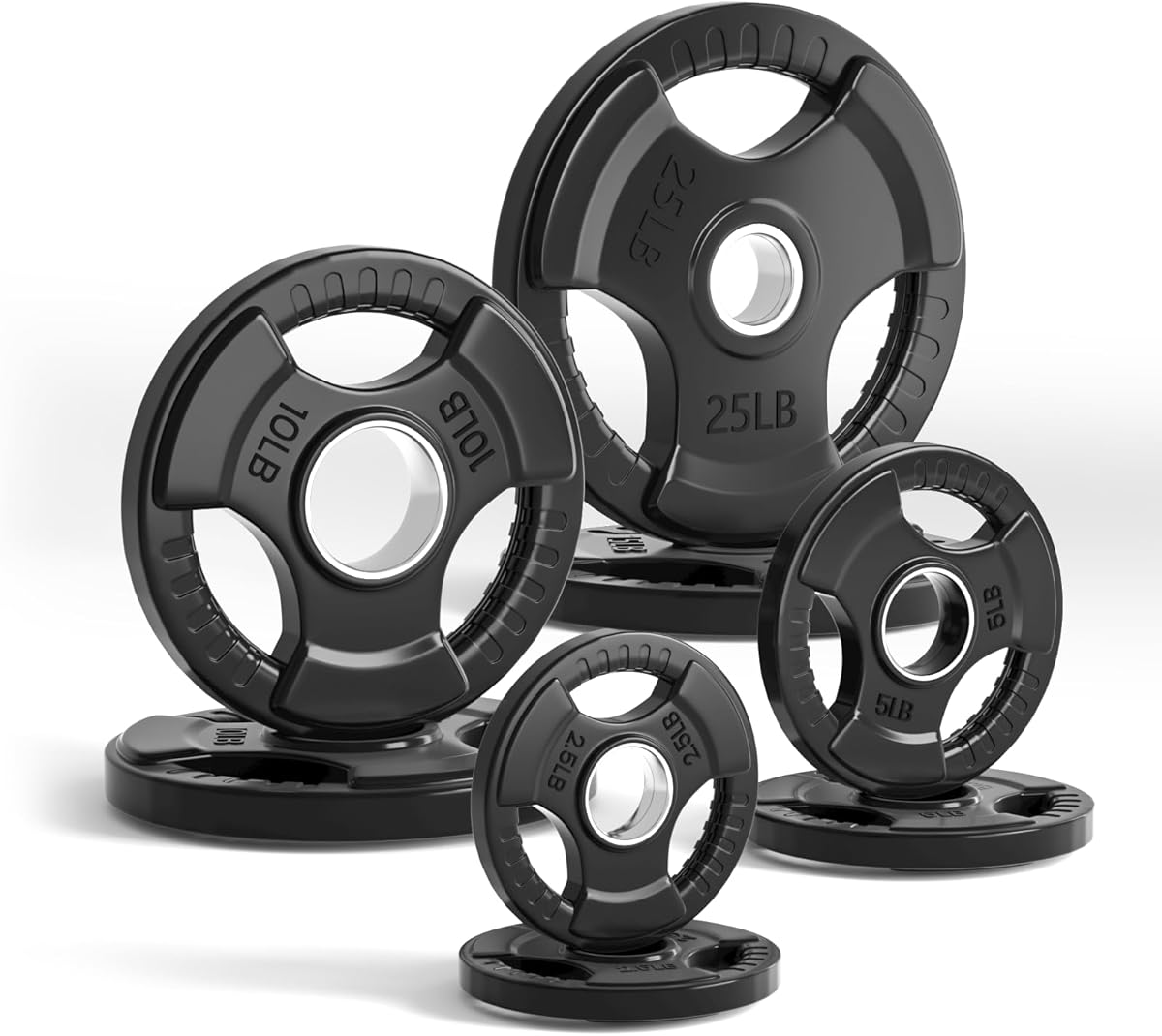
Choosing Olympic Rubber Grip Plates: What Matters for Home and Gym Use
When selecting Olympic grip plates like the LIONSCOOL 2-inch rubber-coated models, buyers should understand how the rubber coating affects both performance and environment. These plates feature a solid cast iron core with a 2-inch Olympic sleeve compatibility, making them suitable for barbell work but requiring consideration of storage and durability factors specific to rubber-coated designs.
Key Considerations Before Buying
- Rubber coating thickness affects both noise reduction and durability—thinner coatings may chip during repeated drops, while thicker rubber adds diameter that can limit plate loading on some bars.
- The 2-inch Olympic sleeve compatibility is standard for most home and commercial gym equipment, but verify your barbell's collar mechanism works smoothly with rubber-coated plates, which can create more friction than bare iron.
- Weight accuracy varies significantly among rubber-coated plates—look for plates that maintain their stated weight despite the rubber overlay, as improper casting can lead to imbalances during lifts.
What Our Analysts Recommend
Examine the seam where rubber meets the cast iron insert—clean, tight seals indicate better manufacturing. Quality rubber plates should have minimal odor (off-gassing decreases with quality materials) and consistent durometer ratings that provide grip without being overly tacky. Check that the weight markings are molded into, not painted onto, the rubber for longevity.
Plates Market Context
Market Overview
The rubber-coated Olympic plate market has expanded significantly as home gyms proliferated, with manufacturers balancing cost against rubber quality and weight accuracy. Current offerings range from budget-friendly options with thin vinyl coatings to premium plates using virgin rubber compounds that better withstand drops and environmental factors.
Common Issues
Rubber plates frequently suffer from inconsistent weight distribution due to improper casting beneath the coating, and lower-quality rubber can degrade, becoming brittle or sticky over time. Another frequent complaint involves plates that don't sit flush on barbells due to imprecise sleeve hole machining, causing wobble during lifts.
Quality Indicators
Higher-quality rubber plates use compression-molded manufacturing rather than simple dipped coatings, resulting in more durable edges. Look for plates with embedded steel inserts at the grip handles rather than molded plastic, and plates that maintain accurate weight (±2% of stated weight) despite the rubber overlay.
Review Authenticity Insights
Grade B Interpretation
A Grade B authenticity rating with 10% estimated fake reviews suggests generally trustworthy feedback, though approximately 1 in 10 reviews may be artificially positive. The 4.60 adjusted rating (down from 4.89) indicates genuine satisfaction remains high even after accounting for potential manipulation.
Trust Recommendation
Focus on verified purchase reviews that mention specific use cases like 'home gym flooring' or 'commercial rack compatibility,' as these contain more actionable details. The natural distribution of review lengths suggests authentic experiences rather than templated feedback common in manipulated reviews.
Tips for Reading Reviews
Prioritize reviews discussing long-term durability (6+ months) and weight accuracy verification—these address rubber plates' most common failure points. Look for mentions of odor dissipation over time and how the grip handles hold up to repeated use, as these are specific to rubber-coated designs.
Expert Perspective
The LIONSCOOL plates demonstrate strong market acceptance with a 4.60 adjusted rating from over 1,000 verified purchases, suggesting they deliver on core expectations for rubber-coated Olympic plates. The one-year warranty provides basic protection, though rubber plates typically show durability issues beyond this period if quality is compromised. The high rating despite the authenticity adjustment indicates genuine satisfaction with weight accuracy and rubber performance—critical factors in this category.
Purchase Considerations
Consider whether the noise reduction and floor protection of rubber coating justify the premium over bare iron plates for your specific training environment. Evaluate your storage conditions—rubber can degrade faster in direct sunlight or extreme temperatures. The set options (single/pair/set) offer flexibility but verify you're getting true Olympic sleeve compatibility, not just 2-inch holes with poor machining.
Comparing Alternatives
Compare rubber durometer (firmness), weight tolerance specifications, and warranty length against similar offerings from CAP, Titan Fitness, and REP Fitness to assess value.


