
Choosing a 1/4-inch Drive Click Torque Wrench for Precision Low-Torque Applications
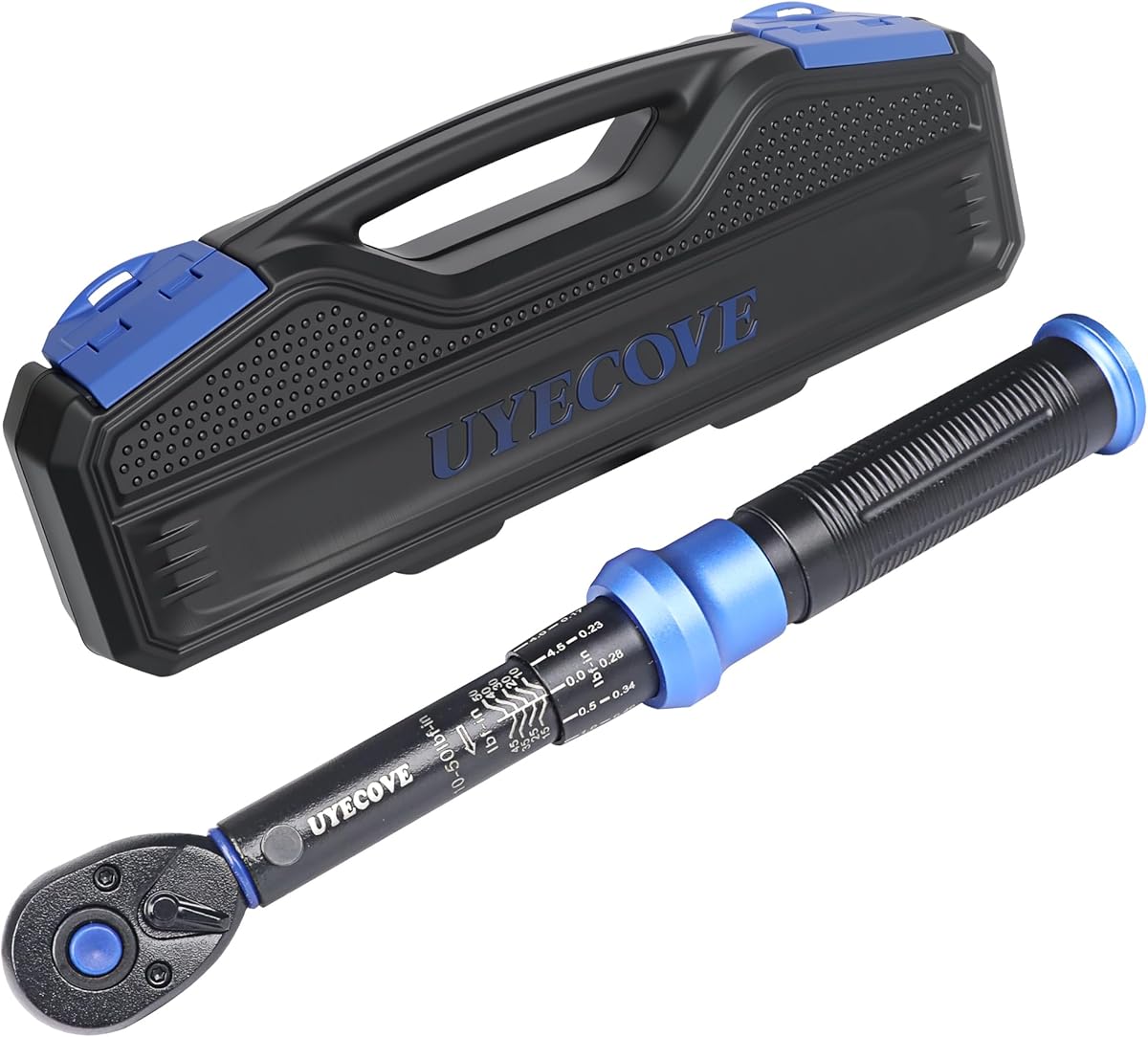
This UYECOVE torque wrench targets users needing precise low-torque control, specifically in the 10-50 in-lb (1.1-5.7 N·m) range. Its dual-direction click mechanism and dual-scale graduations in both inch-pounds and Newton-meters are key features for delicate assembly tasks, electronics, or small engine work where over-tightening is a critical risk.
Key Considerations Before Buying
- The 10-50 in-lb range is specialized; verify this matches your specific application, as it's too low for most automotive lug nuts or cylinder heads but ideal for carburetors, bicycle components, or small fasteners on electronics.
- A dual-direction click mechanism allows for both tightening and loosening with an audible/tactile signal, which is useful for verification or disassembly, but requires understanding how to properly set the direction collar.
- The 1/4-inch square drive limits socket compatibility; ensure you have or can obtain the correct size sockets for your fasteners, as adapters can affect torque accuracy.
What Our Analysts Recommend
For a click-type wrench in this range, check for a clear, positive click and smooth ratcheting head. The dual scales should be laser-etched or deeply stamped for longevity, not just painted on. A quality indicator is a robust locking collar for the torque setting to prevent accidental adjustment during use.
Torque Wrenches Market Context
Market Overview
The market for 1/4-inch drive micro-torque wrenches is growing, driven by DIY electronics, precision hobbyists, and motorcycle maintenance. While dominated by established tool brands, direct-to-consumer brands like UYECOVE are competing aggressively on price and features like dual-direction operation.
Common Issues
Common failures in this category include loss of calibration, a weak or inconsistent click mechanism, and poor durability of the direction selector switch. Plastic components in the head or adjustment mechanism are a particular red flag for long-term reliability.
Quality Indicators
Look for a hardened steel drive, a knurled handle for grip, and a calibration certificate or stated accuracy percentage (e.g., ±4%). A sturdy storage case is also a sign the manufacturer considers protection during storage vital for maintaining calibration.
Review Authenticity Insights
Grade B Interpretation
A 'B' grade with an 11% estimated fake review rate suggests the majority of feedback is trustworthy, but a notable portion requires scrutiny. For a product with nearly 1,900 reviews, this level is moderate but not alarming for the Amazon tool marketplace.
Trust Recommendation
Focus on verified purchase reviews that mention specific, plausible use cases like working on a specific motorcycle model, 3D printer assembly, or scope mounting. Be slightly more skeptical of overly effusive 5-star reviews that lack technical detail.
Tips for Reading Reviews
Prioritize reviews discussing calibration checks, long-term use over months, or comparisons to other brands. Reviews mentioning the blue color or the feel of the dual-direction click are often genuine, as these are specific, tangible details.
Expert Perspective
The exceptionally high 4.89/5 rating, even when adjusted to a still-strong 4.60/5, indicates overwhelmingly positive user satisfaction. This is significant for a precision tool where minor inaccuracies typically generate critical feedback. The combination of a low-torque range, dual-direction function, and dual scales appears to meet a specific user need effectively. The high rating suggests the product delivers on its core promise of accurate, audible torque application for its intended tasks.
Purchase Considerations
Weigh the cost against the need for professional-grade calibration traceability. For critical, safety-related applications, a brand with a certified calibration service might be preferable. For general hobbyist or DIY use where the 10-50 in-lb range is perfect, this wrench presents a strong value proposition based on user feedback.
Comparing Alternatives
Shoppers should compare the scale readability and adjustment mechanism with similar wrenches from Tekton, Precision Instruments, or Neiko to assess ergonomic preference.


