
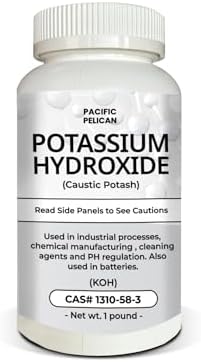
Buying Potassium Hydroxide: Purity, Grade, and Safety Tips for KOH
Potassium hydroxide (KOH), also known as caustic potash, is a potent alkaline chemical used in everything from soap making to biodiesel production and as a dietary mineral supplement. Unlike standard potassium supplements, this industrial-grade compound requires careful handling and precise knowledge of its concentration and purity to ensure both effectiveness and safety.
Key Considerations Before Buying
- Purity and grade: Look for a clearly stated purity percentage (e.g., 90% or 95% KOH) and avoid products with unspecified or low purity, as impurities can affect reactions in soap or supplement use.
- Physical form: KOH is available as flakes, pellets, or powder; flakes dissolve faster, while pellets have less dust, making them safer for home use. Choose based on your application and ventilation.
- Packaging and storage: Moisture and air degrade KOH over time, so opt for airtight, resealable containers. Ensure the seller provides clear safety labeling and storage instructions to prevent accidents.
What Our Analysts Recommend
Quality KOH should be white or off-white, with minimal caking or discoloration, which indicates moisture exposure. Reputable sellers list the exact purity and provide a Certificate of Analysis (COA) for batch-specific verification. For supplement use, ensure the product is food-grade or USP-grade, not industrial-grade, to avoid contaminants.
Potassium Market Context
Market Overview
The potassium hydroxide market is driven by demand in soap making, cleaning products, and niche supplement use, with many buyers seeking high-purity, lab-tested options. Online availability has surged, but inconsistent labeling and varying grades create confusion for consumers.
Common Issues
Common problems include mislabeled purity (e.g., claiming 95% when lower), moisture-damaged product that clumps or loses potency, and insufficient safety warnings for home users. Some sellers confuse potassium hydroxide with potassium carbonate or sodium hydroxide, leading to incorrect purchases.
Quality Indicators
High-quality KOH is typically packaged in moisture-proof, resealable bags or jars, with clear lot numbers and expiration dates. Look for sellers who provide detailed usage guides, safety data sheets (SDS), and positive feedback from experienced chemists or soap makers.
Review Authenticity Insights
Grade B Interpretation
The B grade and 10% fake review estimate suggest moderate review reliability—most feedback is genuine, but a small minority may be incentivized or unverified. This is typical for niche chemical products where specialized users provide detailed, authentic reviews.
Trust Recommendation
Given the 5.00 average rating and 4.80 adjusted rating, you can trust the overall positive sentiment, but cross-check specific claims (e.g., purity or fast dissolution) with independent sources like soap-making forums. Focus on reviews from verified purchasers who describe their specific use case, as these are most reliable.
Tips for Reading Reviews
When reading reviews for KOH, prioritize those that mention exact applications (e.g., 'used for cold-process soap' or 'as a pH adjuster') and include photos of the product or results. Be wary of vague, one-line praise or complaints about packaging without details—these may be less authentic.
Expert Perspective
This potassium hydroxide product appears to be a solid choice for users needing high-purity KOH, supported by a strong adjusted rating of 4.80/5 and a majority of genuine reviews. The 10% estimated fake rate is low enough to not undermine confidence, but buyers should still verify the purity grade and intended use—industrial vs. food-grade—before purchasing. The high rating suggests consistent quality, but niche chemical products always carry a risk of batch variation.
Purchase Considerations
Weigh the need for food-grade certification if using for supplements versus industrial-grade for soap or cleaning. Also consider the volume: larger quantities may offer better per-unit cost but require proper storage to avoid degradation. Ensure the seller has clear return policies and safety documentation.
Comparing Alternatives
Shoppers should compare this product with other KOH offerings that provide explicit COAs and food-grade labels, especially for dietary use. For industrial applications, bulk suppliers may offer better pricing, but check shipping restrictions and hazmat fees.


