
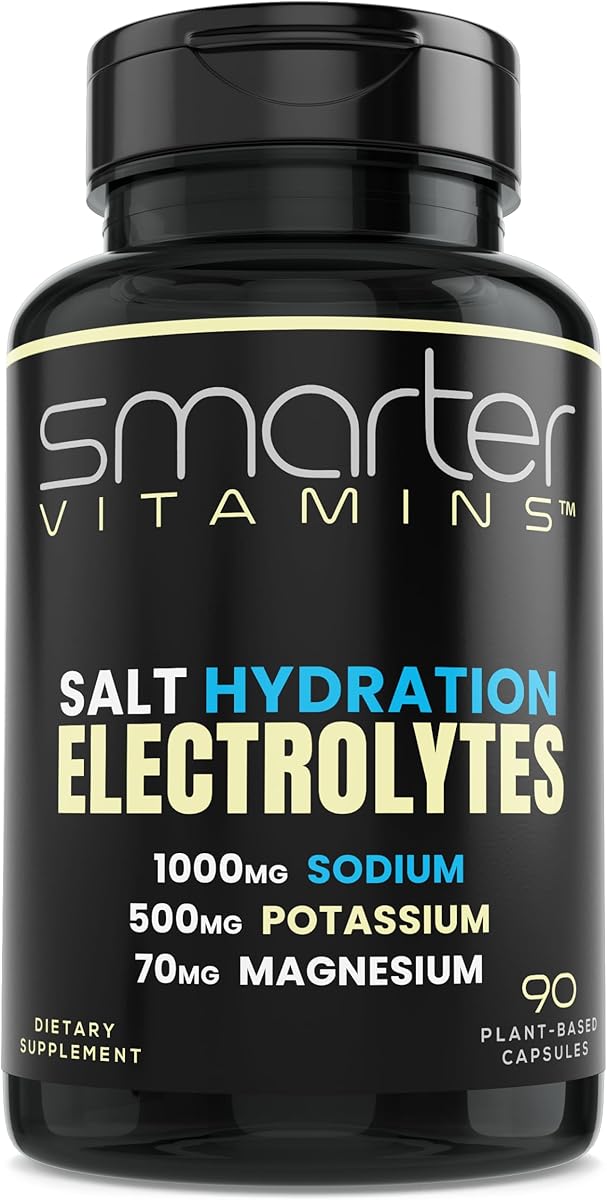
Choosing Electrolyte Capsules: Balancing Sodium, Potassium, and Magnesium Ratios
When evaluating electrolyte supplements like Smarter Electrolyte Capsules, the specific mineral ratios matter more than total milligrams. This product's 1000mg sodium to 500mg potassium (2:1 ratio) and 70mg magnesium formulation targets specific hydration needs rather than providing a one-size-fits-all solution. Buyers should understand how these particular proportions align with their dietary patterns and activity levels.
Key Considerations Before Buying
- The 1000mg sodium content is substantial—equivalent to about half a teaspoon of salt—making these capsules particularly relevant for low-carb dieters or endurance athletes experiencing significant sodium depletion through sweat.
- With only 500mg potassium per serving, this formulation may require additional potassium sources for those following strict ketogenic diets, where daily needs often exceed 3000-4000mg through food and supplementation combined.
- The 70mg magnesium represents approximately 17% of the RDA, serving as a supportive rather than primary magnesium source, which is appropriate for an electrolyte-focused product but insufficient for addressing magnesium deficiency alone.
What Our Analysts Recommend
Quality electrolyte capsules should disclose exact mineral forms (citrate, chloride, glycinate) rather than just total milligrams, as absorption varies significantly. For sodium supplements specifically, check whether the product uses pure sodium chloride or includes buffering agents that affect gastrointestinal tolerance during fasting states.
Sodium Market Context
Market Overview
The sodium supplement market has expanded beyond basic salt tablets to include targeted formulations for ketogenic diets, intermittent fasting, and athletic performance, with products increasingly differentiating through specific mineral ratios and additional electrolytes. Unlike general electrolyte powders that often contain sugars and fillers, capsule formats like this one appeal to consumers seeking pure mineral delivery without additives.
Common Issues
Many electrolyte products provide imbalanced ratios that don't match physiological needs—either too little sodium for active individuals or insufficient potassium to maintain the sodium-potassium pump critical for cellular function. Capsule formats sometimes use inferior mineral forms with lower bioavailability or include unnecessary excipients that reduce purity claims.
Quality Indicators
Superior sodium supplements specify mineral sources (e.g., sodium chloride, potassium citrate, magnesium glycinate), provide transparent serving sizes that match common usage patterns (like pre/post-workout or during fasting windows), and avoid flow agents that add unnecessary ingredients. The absence of sugar and fillers in this product represents a positive quality marker for purity-focused consumers.
Review Authenticity Insights
Grade B Interpretation
A Grade B authenticity rating with 15% estimated fake reviews indicates generally reliable feedback but suggests some review manipulation may be present. The adjusted 4.60/5 rating (down from perfect 5.00) reflects this moderate authenticity concern, meaning the product likely performs well but perhaps not as flawlessly as initial perfect scores suggest.
Trust Recommendation
Given the limited review volume (only 2 reviews), consumers should place more weight on the product's specific formulation details than on the ratings alone. Look for reviews that discuss actual usage scenarios like 'during 18-hour fasting windows' or 'post-long distance running' rather than generic praise about electrolyte supplements.
Tips for Reading Reviews
For sodium capsules specifically, prioritize reviews that mention timing (with/without food), gastrointestinal response (common with high sodium doses), and measurable outcomes like reduced cramping or sustained energy during extended workouts. Be skeptical of reviews that don't reference the 1000mg sodium content specifically, as this is the product's defining characteristic.
Expert Perspective
Smarter Electrolyte Capsules present a thoughtfully formulated product targeting specific use cases rather than general hydration. The 1000mg sodium dose is clinically relevant for sodium replenishment—significantly higher than many competitors' 200-500mg offerings—making it particularly suitable for individuals experiencing substantial sodium losses. The inclusion of meaningful potassium (500mg) and magnesium (70mg) creates a balanced electrolyte profile, though the magnesium serves more as a supportive element than a therapeutic dose. The zero-sugar capsule format appeals to ketogenic and fasting adherents who avoid sweetened electrolyte products.
Purchase Considerations
This product warrants consideration if you require substantial sodium replacement due to low-carb dieting, intense exercise, or fasting protocols. However, the high sodium content may be excessive for sedentary individuals or those with sodium-sensitive conditions. Evaluate whether you prefer capsules over powdered electrolytes, considering that capsules offer precise dosing but lack the immediate hydration of dissolved powders.
Comparing Alternatives
Shoppers should compare this product's specific 1000mg/500mg/70mg ratio against competitors' formulations to ensure alignment with their individual electrolyte needs and dietary patterns.


