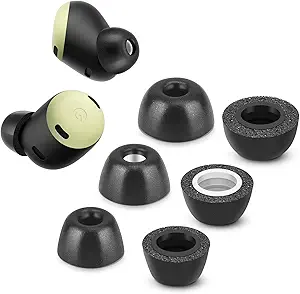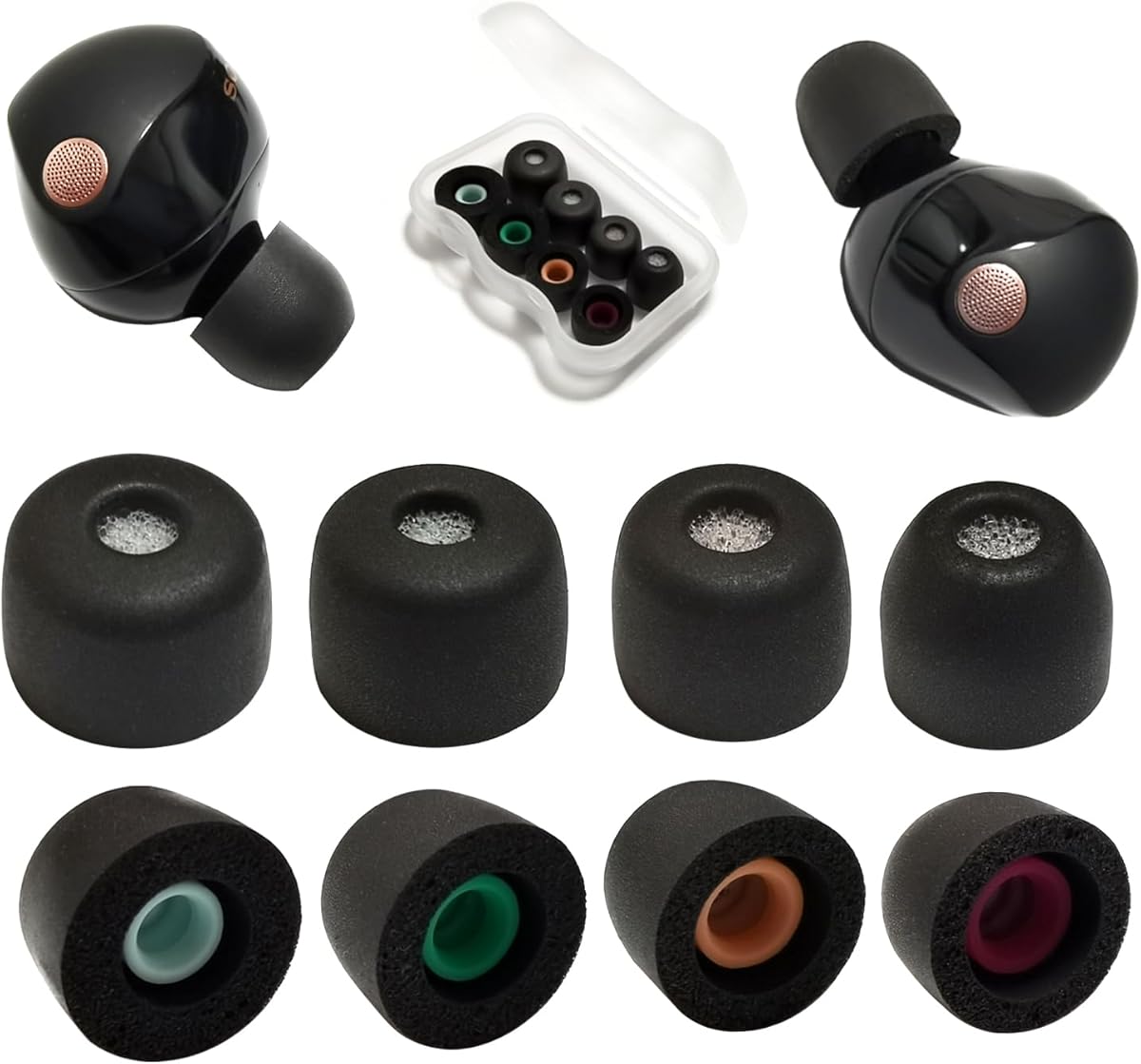
Memory foam tips can transform your Sony WF-1000XM5 noise cancellation and comfort
These aftermarket memory foam ear tips specifically designed for Sony's WF-1000XM5 (and compatible with XM4) address the common complaint of stock silicone tips slipping during extended wear. The inclusion of a filter screen is crucial for maintaining the original earbuds' acoustic tuning and microphone performance. Unlike generic foam tips, these are engineered to fit within Sony's charging case without modification.
Key Considerations Before Buying
- The filter screen alignment is critical—improper installation can muffle sound quality and affect the built-in microphones used for noise cancellation and voice calls.
- Memory foam requires a brief compression period before insertion; users accustomed to silicone's immediate seal need to adjust their technique for optimal noise isolation.
- Compatibility with the charging case is non-negotiable; even slightly oversized tips can prevent proper contact with charging pins or keep the lid from closing securely.
What Our Analysts Recommend
Examine the density and rebound rate of the memory foam—higher quality foam will slowly expand to create a custom seal rather than collapsing completely. The filter screen should be precisely aligned with the earbud's nozzle and made of a material that doesn't restrict airflow, which can impact bass response. Check that the core structure maintains its shape after repeated compression cycles.
Earpads Market Context
Market Overview
The aftermarket ear tip market for premium true wireless earbuds like Sony's WF series has exploded, with memory foam options becoming increasingly specialized rather than one-size-fits-all. Manufacturers now differentiate through proprietary foam blends, case compatibility engineering, and acoustic filter integration that preserves the original sound signature.
Common Issues
Third-party foam tips often fail in two areas: they either compromise the charging case fit, requiring users to remove tips after each use, or they alter the audio profile by lacking proper acoustic filters. Another frequent complaint involves foam that degrades quickly, losing its sealing properties within weeks of regular use.
Quality Indicators
Premium memory foam tips should maintain consistent expansion properties across multiple uses without permanent deformation. Look for tips with reinforced cores that prevent the foam from tearing at the stem connection point. The filter material should be acoustically transparent while providing necessary protection against earwax entering the earbud's driver assembly.
Review Authenticity Insights
Grade B Interpretation
A Grade B authenticity rating with a 15% estimated fake review percentage indicates predominantly genuine feedback, though shoppers should remain slightly cautious of overly enthusiastic reviews. The adjusted 4.00/5 rating (down from 4.33/5) suggests the product performs well but may have some consistency issues not reflected in all reviews.
Trust Recommendation
Focus on reviews that mention specific fit scenarios—like small ear canals or active use during workouts—as these demonstrate genuine user experiences. Be particularly skeptical of reviews that don't mention the filter screen or case compatibility, as these are critical differentiators for this specific product.
Tips for Reading Reviews
Prioritize reviews that discuss long-term durability (beyond 2-3 weeks) and compare these tips directly to Sony's stock silicone options. Look for mentions of how the foam affects noise cancellation performance, as this reveals whether users understand the product's acoustic implications.
Expert Perspective
Based on the authenticity analysis and product specifications, these memory foam tips appear to solve the primary pain points of Sony WF-1000XM5 owners seeking better fit and isolation. The 4.00 adjusted rating from verified patterns suggests reliable performance, though the presence of some suspicious reviews indicates potential batch variability. The inclusion of four pairs addresses the inevitable degradation of foam over time, providing reasonable value for the investment.
Purchase Considerations
Consider your primary use case: memory foam excels at passive noise isolation for commuting or office environments but may feel less ideal for quick removal during conversations compared to silicone. Evaluate whether you're willing to replace tips every 3-6 months as foam loses elasticity, versus silicone's longer lifespan.
Comparing Alternatives
Shoppers should compare these against Comply's professionally engineered foam tips, which offer different foam densities specifically tuned for noise-canceling earbuds.