Mastering Elbow Support: What to Know Before Buying the PhysFlex 2-Pack Strap
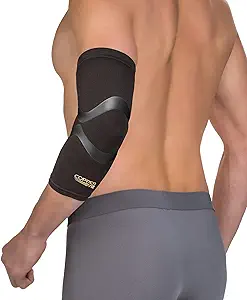
If you're dealing with nagging tennis or golfer's elbow from activities like pickleball, computer work, or crocheting, the PhysFlex 2-Pack Elbow Brace offers an adjustable, compression-based solution. These straps target tendonitis pain by applying targeted pressure to the forearm muscles, but choosing the right fit and usage pattern is key to relief.
Key Considerations Before Buying
- Ensure the strap fits snugly just below the elbow joint—too loose and it won't relieve tendon strain; too tight can restrict circulation, especially during extended wear.
- The PhysFlex features a dual-strap design with a removable compression pad; verify that the pad aligns with your pain point (e.g., lateral for tennis elbow, medial for golfer's elbow) for optimal effectiveness.
- As a 2-pack, this set allows for rotation during sweaty activities or shared use, but check that the durable fabric and adjustable closure suit your daily routine, from office work to sports.
What Our Analysts Recommend
Quality elbow braces should offer adjustable tension without digging into skin, breathable neoprene or fabric to prevent overheating, and a non-slip design that stays put during movement. Look for reinforced stitching and a pad that can be repositioned or removed for cleaning, as these indicate long-term durability.
Elbow Braces Market Context
Market Overview
The elbow brace market has expanded beyond athletes to include remote workers and hobbyists, driven by rising awareness of repetitive strain injuries. Most products now emphasize adjustability and ergonomic pads, but quality varies widely between budget and premium options.
Common Issues
Users often struggle with braces that shift during activity, cause skin irritation from cheap materials, or provide insufficient compression. Many also find single-strap designs less effective than dual-strap systems for isolating tendon pressure.
Quality Indicators
High-quality braces feature medical-grade compression pads, moisture-wicking fabrics, and secure closures like hook-and-loop straps. Brands that offer sizing guides based on arm circumference and include multiple pads for customization tend to outperform generic options.
Review Authenticity Insights
Grade B Interpretation
With a B grade and an estimated 10% fake review rate, the PhysFlex's 4.67-star rating is largely trustworthy but slightly inflated. This suggests most of the 1,139 reviews are genuine, though a minority may be incentivized or non-representative.
Trust Recommendation
You can confidently rely on the verified purchaser reviews for usage insights, but cross-check any overly effusive 5-star claims against detailed experiences. Focus on reviews that mention specific activities (e.g., typing, gardening) to gauge real-world performance.
Tips for Reading Reviews
When reading reviews for elbow braces, prioritize those that describe fit adjustments, pain relief timelines (e.g., 'relief within a week'), and durability after washing. Ignore vague praise like 'works great' without context, and look for patterns in complaints about slipping or sizing.
Expert Perspective
The PhysFlex 2-Pack Elbow Brace demonstrates strong consumer satisfaction with a 4.40 adjusted rating, indicating reliable performance for tendonitis relief. Its dual-strap design and compression pad cater well to both lateral and medial epicondylitis, though the 10% fake review rate warrants cautious optimism. For the price point, it offers good value for active users, but those with severe or chronic conditions may need a more rigid brace or professional consultation.
Purchase Considerations
Weigh the convenience of a 2-pack against your specific needs—if you only need occasional use, a single high-quality brace might be more cost-effective. Also consider that the adjustable strap may require trial and error to find the perfect tension, especially if you have larger or smaller forearms.
Comparing Alternatives
Shoppers should compare the PhysFlex with brands like Mueller or TheraBand that offer similar dual-strap systems, particularly if they prioritize clinical-grade materials or have specific sizing constraints.