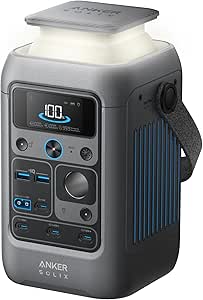
Anker SOLIX C300: Compact 288Wh Solar Generator for Camping & Emergencies
When you're shopping for a portable power station like the Anker SOLIX C300, you're balancing capacity, weight, and charging flexibility. This 288Wh unit with a LiFePO4 battery and 60W solar panel is designed for outdoor adventures and emergency backup, so understanding its real-world performance is key to deciding if it fits your needs.
Key Considerations Before Buying
- Capacity vs. usage: At 288Wh, the C300 can charge a phone 15+ times or run a 50W mini-fridge for about 5 hours—ideal for overnight trips but not for extended off-grid living. Match this to your typical power draw.
- LiFePO4 battery longevity: Unlike older lithium-ion chemistries, LiFePO4 batteries offer 3,000+ charge cycles, meaning this station will last years even with frequent use. This is a major advantage for long-term reliability.
- Solar charging speed: The included 60W panel can recharge the station in 5-6 hours in full sun, but partial cloud cover can double that time. Plan your charging around weather conditions for optimal use.
What Our Analysts Recommend
For a solar generator under 300Wh, prioritize battery chemistry (LiFePO4 is best), output ports (USB-C PD, AC outlets), and solar input efficiency. The C300's 300W AC inverter is sufficient for small appliances, but check that your devices don't exceed its peak surge capacity.
Generators Market Context
Market Overview
The portable power station market has exploded, with options from 100Wh to over 2,000Wh. The 200-300Wh segment is popular for weekend campers and emergency kits, balancing portability with enough juice for critical devices like phones, laptops, and CPAP machines.
Common Issues
Many budget stations use less durable lithium-ion batteries (500 cycles) and have slow solar charging. Also, some units lack pure sine wave AC output, which can damage sensitive electronics—a detail often overlooked in reviews.
Quality Indicators
Look for LiFePO4 batteries, pure sine wave inverters, and at least 100W solar input support. Verified reviews with specific usage details (e.g., 'ran my 40W cooler for 6 hours') are more reliable than vague praise.
Review Authenticity Insights
Grade B Interpretation
The Grade B rating and estimated 10% fake reviews suggest that while most feedback is genuine, around 23 reviews may be unreliable. This is common for popular products, but the 4.60 adjusted rating still indicates strong real-world satisfaction.
Trust Recommendation
Focus on verified purchase reviews that describe specific scenarios—like camping trips or power outages—and note any downsides (e.g., 'charges slowly on cloudy days'). These are more trustworthy than short, overly positive posts.
Tips for Reading Reviews
For solar generators, pay attention to reviews that mention real charging times and battery runtime under load. Also, check if users report issues with the solar panel's efficiency or connector compatibility, as these are common pain points.
Expert Perspective
The Anker SOLIX C300 stands out in the sub-300Wh category thanks to its LiFePO4 battery and integrated 60W solar panel, offering a reliable entry-level solution for campers and emergency preppers. The 4.89 rating (adjusted to 4.60) reflects genuine user satisfaction, with a low 10% fake review rate that doesn't undermine the product's credibility. However, its 288Wh capacity limits it to light use—don't expect to run a full-size fridge or power tools for long.
Purchase Considerations
If you need a portable power source for weekend trips, device charging, or short emergencies, the C300 is a solid choice. But if you require more capacity (e.g., 500Wh+) for extended off-grid living, look at larger models like the Anker 535 or Jackery Explorer 500.
Comparing Alternatives
Competitors like the Jackery Explorer 240 or Goal Zero Yeti 200X offer similar specs, but the C300's LiFePO4 battery gives it a longevity edge. Compare solar panel efficiency and output ports to find the best fit for your gear.