
Don't Get Tangled: Key Tips for Choosing an Indoor Extension Cord
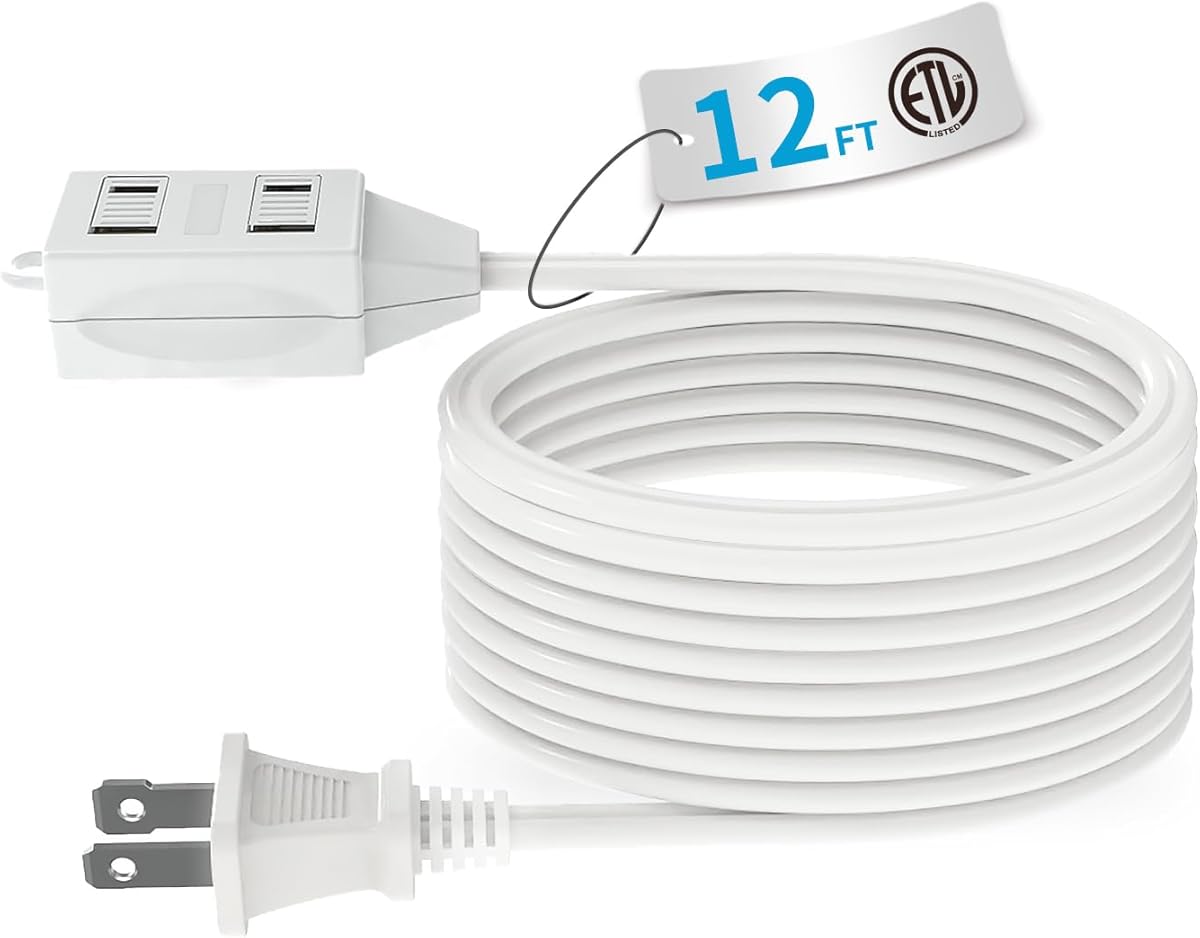
When selecting an indoor extension cord like the TiFFCOFiO 12-foot, 2-prong model, the key is matching its specifications to your actual needs. This cord offers three polarized outlets with safety slide windows, a 13A/1625W capacity, and 16 AWG wiring, making it suitable for light- to medium-duty household electronics.
Key Considerations Before Buying
- Length and gauge: A 12-foot length offers flexibility for reaching distant outlets without excessive slack, but ensure the 16 AWG gauge is adequate for your devices—16 AWG is typical for light loads like lamps and phone chargers, not high-draw appliances.
- Safety features: The polarized outlets and safety slide windows prevent accidental contact and help maintain proper polarity for devices with two-prong plugs, reducing shock risk. Check that the windows operate smoothly and seal properly when not in use.
- Power rating: With a 13A/1625W maximum, this cord can handle multiple low-power devices simultaneously, but avoid daisy-chaining or plugging in high-wattage items like space heaters or air conditioners, which could exceed the rating.
What Our Analysts Recommend
Look for cords with clear labeling of gauge and ampacity, robust outlet construction that resists bending, and safety certifications like UL listing. The TiFFCOFiO's slide windows should be easy to open but firm enough to stay closed, and the plug should fit snugly in outlets without wobbling.
Extension Cords Market Context
Market Overview
The extension cord market is saturated with options ranging from cheap, no-name brands to premium, heavy-duty models. Consumers often prioritize cost and length, but safety and durability are critical, especially for indoor use where cords can be tripped over or pinched by furniture.
Common Issues
Common problems include cords that overheat due to undersized gauge, outlets that wear out or lose grip over time, and slide windows that break or fail to close properly. Additionally, counterfeit or non-certified cords may pose fire or shock hazards.
Quality Indicators
Quality indicators include UL or ETL certification, thick but flexible insulation, reinforced plug blades, and outlets with tight-fitting shutters. A cord that feels flimsy or has sharp edges on the plug is a red flag, as is poor print quality on the rating label.
Review Authenticity Insights
Grade B Interpretation
The B grade and estimated 10% fake review rate suggest that while most reviews are genuine, a small fraction may be incentivized or overly positive. This is common for affordable, simple products where buyers often leave quick, positive feedback without extensive testing.
Trust Recommendation
Given the high 4.89/5 rating from 1,345 verified purchases, you can generally trust the positive consensus, but focus on reviews that mention specific use cases, durability over time, or issues with the slide windows. The adjusted rating of 4.60/5 is still very strong, indicating the product performs well.
Tips for Reading Reviews
For extension cords, prioritize reviews that describe long-term use, especially in real-world conditions like behind furniture or in high-traffic areas. Look for mentions of outlet tightness, slide window functionality, and cord flexibility. Be wary of reviews that only praise 'great value' without specifics.
Expert Perspective
The TiFFCOFiO indoor extension cord appears to be a solid, reliable choice for basic household needs, backed by a strong rating and mostly genuine reviews. Its 12-foot length, three polarized outlets with safety windows, and 16 AWG gauge are well-suited for powering lamps, chargers, and small electronics. The 10% fake review rate is a minor concern but doesn't overshadow the overall positive feedback. However, for high-wattage devices or permanent installations, a heavier-gauge cord would be advisable.
Purchase Considerations
Consider your specific device loads—this cord is not designed for power tools or heaters. Also, assess the physical environment: the slide windows add safety but may be cumbersome if you frequently plug and unplug devices. If you need more outlets or a longer run, you might need a different configuration.
Comparing Alternatives
Shoppers should compare this cord with similar models from brands like GE, AmazonBasics, or Woods, paying attention to gauge, outlet spacing, and warranty. A slightly higher gauge (14 AWG) may offer more flexibility for mixed-use scenarios.


