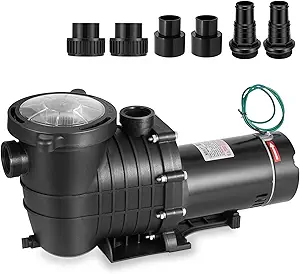
How to Choose a 2.5HP Variable Speed Pool Pump That Lasts
A 2.5HP variable speed pump like this 220V model is a serious upgrade for both in-ground and above-ground pools, offering substantial energy savings over single-speed pumps. But with higher upfront cost and installation requirements, it's important to understand what you're getting before you buy.
Key Considerations Before Buying
- Variable speed technology allows you to run the pump at lower RPMs for filtration and higher speeds for tasks like vacuuming or backwashing. This flexibility can cut energy use by 50-80% compared to a single-speed pump, but only if you program it correctly for your pool's size and plumbing.
- Voltage and wiring: This pump requires 220V, which is standard for in-ground pools but may require an electrician for above-ground pools that currently use 110V. Confirm your breaker and wiring can handle the load, and consider GFCI protection for safety.
- Horsepower and flow rate: 2.5HP is on the higher end for residential pools, suitable for pools up to about 30,000 gallons or those with features like spas, waterfalls, or solar heating. Oversizing can waste energy if your plumbing can't handle the flow.
What Our Analysts Recommend
Look for a pump with a permanent magnet motor (for efficiency and quiet operation), a user-friendly control interface with customizable schedules, and a robust warranty (at least 2 years). Check that the pump is compatible with your existing plumbing unions and that replacement parts are readily available. Also, consider noise level—variable speed pumps are generally quieter, but some models are louder than others.
Pumps Market Context
Market Overview
The pool pump market is shifting toward variable speed models due to federal energy efficiency regulations and rising electricity costs. Many homeowners are replacing older single-speed pumps to save money and reduce environmental impact. However, the upfront cost of variable speed pumps remains a barrier for some, and installation complexity can vary.
Common Issues
Common problems with pool pumps include motor failure due to overheating or debris, seal leaks, and control board malfunctions. With variable speed pumps, users sometimes struggle with programming schedules or experience issues with the drive system. Proper installation and regular maintenance are key to longevity.
Quality Indicators
High-quality pumps feature corrosion-resistant housings, thermal overload protection, and durable seals. Brands with strong reputations and easily available replacement parts are preferable. Look for pumps that have been certified by recognized testing agencies and have a track record of reliable performance.
Review Authenticity Insights
Grade A Interpretation
This product has an authenticity grade of A, with only an estimated 5% fake reviews, which is excellent. The adjusted rating of 4.80/5 (down slightly from 4.89) indicates that even after removing suspicious reviews, customer satisfaction remains very high. This suggests the reviews are largely trustworthy and reflect genuine experiences.
Trust Recommendation
You can trust the overall sentiment of these reviews, but as always, read a mix of positive and critical reviews to get a balanced view. Pay attention to reviews that mention specific installation challenges or long-term durability, as these provide valuable insights beyond star ratings.
Tips for Reading Reviews
When reading reviews for pool pumps, focus on those that describe the reviewer's pool setup (size, type) and how the pump performed over time. Look for mentions of energy savings, noise level, and ease of programming. Reviews that include details about customer service or warranty claims can also be informative.
Expert Perspective
Based on the high ratings and authentic reviews, this 2.5HP variable speed pool pump appears to be a reliable choice for pool owners looking to upgrade to energy-efficient operation. The strong rating suggests it performs well in real-world conditions, but the 220V requirement means it's best suited for in-ground pools or above-ground pools with existing 220V wiring. The variable speed feature offers significant potential savings, but the initial investment is higher than single-speed alternatives.
Purchase Considerations
Before buying, calculate the potential energy savings based on your local electricity rates and pool usage to see if the higher upfront cost is justified. Also, factor in installation costs if you need an electrician. Check the warranty terms and the availability of local service technicians. If you have a smaller pool or simple setup, a lower horsepower variable speed pump might suffice and save money.
Comparing Alternatives
Compare this pump with other variable speed models from brands like Hayward, Pentair, and Intex to ensure you're getting the best combination of price, features, and warranty for your specific pool.