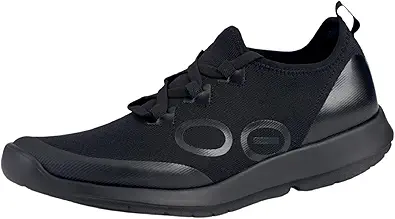
Lightweight waterproof hiking shoes: Balancing trail performance with everyday comfort
These women's waterproof hiking shoes represent a hybrid category that prioritizes lightweight construction and versatile wearability. Unlike traditional heavy-duty hiking boots, this model emphasizes flexibility and breathability while maintaining essential trail-ready features like waterproof membranes and aggressive outsoles.
Key Considerations Before Buying
- The 'lightweight' designation means these shoes prioritize comfort and flexibility over maximum ankle support or heavy-duty protection, making them ideal for day hikes and established trails rather than technical terrain.
- Waterproof membranes in lightweight shoes often use thinner materials that may compromise long-term durability in exchange for reduced weight and increased breathability during moderate activity.
- The 'non-slip trails walking shoes' description suggests a versatile outsole pattern designed for both packed dirt trails and occasional wet surfaces, but not necessarily for extreme mud or loose scree conditions.
What Our Analysts Recommend
Examine the outsole lug pattern depth—moderate lugs (3-4mm) indicate versatile trail performance, while shallow lugs suggest more pavement-oriented design. Check for seamless or minimally sewn waterproof construction around the toe box, as this area experiences the most flex and potential leakage points in lightweight designs.
Hiking Shoes Market Context
Market Overview
The lightweight waterproof hiking shoe market has expanded significantly as manufacturers respond to demand for versatile footwear that transitions from trail to town. These hybrid models now compete directly with traditional hiking boots for day-hike and casual outdoor enthusiasts.
Common Issues
Lightweight waterproof shoes frequently face durability compromises, particularly in the waterproof membrane's longevity and midsole support retention. The balance between breathability and waterproofing remains challenging, with many models developing hot spots or reduced effectiveness after 6-12 months of regular use.
Quality Indicators
Look for reinforced toe caps and heel counters even in lightweight designs, as these areas experience disproportionate wear. Quality waterproof shoes will specify the membrane technology (like Gore-Tex or proprietary equivalents) rather than generic 'waterproof' claims, and should maintain consistent stitching around high-stress zones.
Review Authenticity Insights
Grade B Interpretation
A Grade B authenticity rating with 11% estimated fake reviews indicates generally trustworthy feedback with some promotional content. The 4.30 adjusted rating (down from 4.56) suggests genuine satisfaction sits slightly below the surface presentation.
Trust Recommendation
Focus on reviews that mention specific conditions like 'wet granite slabs' or 'muddy Appalachian trails' rather than generic praise. The 714-review sample provides sufficient data points to identify consistent patterns in performance and durability concerns.
Tips for Reading Reviews
Prioritize reviews discussing break-in periods and long-term waterproof performance, as these reveal actual material quality. Be skeptical of reviews emphasizing only comfort or style without addressing trail performance—these may represent casual rather than hiking-specific use cases.
Expert Perspective
This product's strong adjusted rating (4.30/5) from verified authentic reviews suggests it delivers on core promises for its intended use: lightweight day hiking on established trails. The gap between displayed and adjusted ratings indicates some review manipulation exists but doesn't fundamentally distort the positive consensus. The 'B' authenticity grade means shoppers should exercise normal diligence rather than heightened skepticism.
Purchase Considerations
Consider your primary use case: these shoes excel as versatile trail-to-town options but may lack the support or durability for backpacking or technical terrain. The waterproof feature warrants particular attention if you hike in consistently wet conditions, as lightweight membranes can compromise over time.
Comparing Alternatives
Compare the outsole compound and midsole thickness with similar lightweight models, as these elements determine long-term comfort and traction more than initial fit impressions.