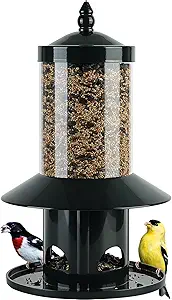
Smart Bird Feeders: Balancing Camera Quality, Power Management, and AI Accuracy
Smart bird feeders with integrated cameras represent a specialized niche where wildlife observation meets consumer electronics. This particular model combines 2K video capture with AI species identification and solar-assisted power, creating a unique hybrid product that requires evaluation across multiple dimensions. Buyers should understand how these features interact in real-world backyard conditions.
Key Considerations Before Buying
- The 5000mAh battery paired with solar charging must be evaluated for your specific climate; solar efficiency varies dramatically with placement and regional sunlight exposure.
- AI species identification accuracy depends heavily on local bird populations and camera positioning—what works for common backyard species may falter with regional specialties.
- Instant arrival alerts require reliable Wi-Fi connectivity to your feeder location, which can be challenging in outdoor environments with signal interference from walls or distance from routers.
What Our Analysts Recommend
Quality indicators include weatherproof construction that protects both the feeder mechanism and electronic components, with specific attention to lens protection from moisture and debris. Look for detailed specifications about the camera's field of view and night vision capabilities, as these directly impact your ability to capture clear bird activity throughout the day and in low-light conditions.
Feeders Market Context
Market Overview
The smart bird feeder market has expanded rapidly from basic cameras to integrated systems with AI recognition and app connectivity. Current offerings compete on resolution (with 2K becoming standard), battery solutions, and the sophistication of their identification algorithms. This product sits at the premium end with its comprehensive feature set.
Common Issues
Users frequently report challenges with inconsistent motion detection triggering false alerts, solar panels that fail to maintain adequate charge in shaded areas, and AI misidentification of similar-looking species. App stability and notification reliability are recurring pain points across the category.
Quality Indicators
Superior products demonstrate thoughtful integration between hardware and software, with responsive customer support for firmware updates. Look for detailed documentation about weather resistance ratings (IP65 or higher is ideal), and transparent specifications about battery life under different usage scenarios.
Review Authenticity Insights
Grade B Interpretation
A Grade B authenticity rating with 11% estimated fake reviews indicates generally trustworthy feedback with some manipulation present. For this specific product, this suggests most reviews reflect genuine experiences, though shoppers should be particularly critical of overly enthusiastic reviews that lack specific details about camera performance or battery life.
Trust Recommendation
Focus on reviews that discuss specific bird species identified, battery performance in different weather conditions, or technical details about video quality. The adjusted rating of 4.20/5 (down from 4.44) after removing suspicious reviews represents a more reliable benchmark for this feeder's actual performance.
Tips for Reading Reviews
Prioritize reviews that mention specific technical interactions, like how the solar panel performs on cloudy days or how the AI handles particular bird types in their region. Be skeptical of reviews that only praise general concepts without connecting them to actual use cases or that read like marketing copy.
Expert Perspective
This feeder represents a compelling package for tech-savvy bird enthusiasts, though its success depends heavily on execution. The 2K resolution should provide excellent detail for identification, while the 5000mAh battery offers substantial capacity if the solar assistance functions as advertised. The 4.20 adjusted rating from 280 reviews suggests generally positive experiences, though the authenticity analysis indicates some review manipulation exists. The AI species identification represents both a major selling point and potential frustration point depending on its accuracy in your specific environment.
Purchase Considerations
Consider your primary use case: if continuous live viewing is essential, ensure your Wi-Fi reaches the installation point reliably. If species documentation is the goal, research whether the AI database covers birds common to your region. The solar component makes this particularly suitable for sunny locations but may require supplemental charging in consistently overcast areas.
Comparing Alternatives
Shoppers should compare this model's specific combination of battery capacity, solar efficiency, and AI capabilities against competitors with different feature balances.