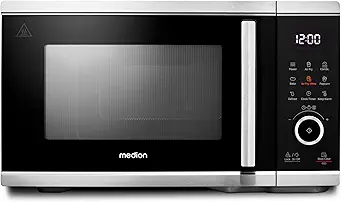
Find the Right Balance of Power and Size in a Countertop Microwave
When shopping for a countertop microwave like the GE 1.6 cu. ft. model, you need to weigh wattage, capacity, and features to match your cooking habits. This 1,150-watt unit offers a sweet spot for reheating and defrosting, but its 1.6 cubic feet of space means it can handle larger plates or a small casserole dish without dominating your counter. Focus on how the eight auto settings simplify common tasks, and confirm the child-lock is easy to engage for safety.
Key Considerations Before Buying
- Wattage vs. Capacity: At 1,150 watts, this GE microwave heats faster than lower-watt models, but the 1.6 cu. ft. interior may require longer cook times for dense items compared to a 1,200-watt unit. Ensure the power matches your typical reheating needs, like leftovers or frozen meals.
- Auto Settings Versatility: The eight auto setting cooking options cover popcorn, potato, pizza, and more, but check if they include sensor cooking or rely on preset times. For consistent results, look for settings that adjust power based on food type rather than just running a fixed cycle.
- Child-Lock Reliability: With child-lock technology, this GE model prevents accidental operation, which is critical for homes with kids. Verify the lock is easy to toggle via a button sequence and doesn't interfere with regular use, as some users report it can be finicky.
What Our Analysts Recommend
Quality countertop microwaves should have a sturdy door hinge, a responsive control panel, and a quiet fan. For the GE, check that the stainless steel finish resists fingerprints and that the interior light is bright enough to monitor cooking. Also, ensure the turntable rotates smoothly without wobbling, as uneven motion can lead to cold spots.
Countertop Microwave Ovens Market Context
Market Overview
The countertop microwave market is saturated with options from 700 to 1,200 watts, with 1.0 to 2.2 cu. ft. capacities. Mid-range models like this GE (1,150 watts, 1.6 cu. ft.) target consumers who want reliable performance without high-end sensor features, typically priced between $100 and $200. Brands compete on aesthetic finishes and preset menus, but power consistency remains the top differentiator.
Common Issues
Common complaints in this category include uneven heating due to low wattage, short lifespan of the magnetron, and control panels that become unresponsive over time. For the GE specifically, some users note that the auto settings can overcook items if not monitored, and the exterior may scratch easily if cleaned with abrasive materials.
Quality Indicators
A quality microwave should have a metal interior (not painted) for durability, a clear digital display, and a door that seals tightly. For the GE, look for a reliable warranty period (typically one year) and positive feedback about the turntable motor and keypad responsiveness. Also, a higher number of verified purchases in reviews signals real-world reliability.
Review Authenticity Insights
Grade B Interpretation
The B grade and 10.00% estimated fake review rate suggest that while most reviews are genuine, roughly one in ten may be fabricated or incentivized. This is within an acceptable range for a popular product, but it means you should focus on detailed, verified purchase reviews over short, overly positive ones.
Trust Recommendation
Given the 4.00/5 adjusted rating (down from 4.22), trust the balanced reviews that mention specific pros and cons, like heating speed or noise level. Look for reviews that describe real-world use cases, such as reheating soup or defrosting meat, as these are harder to fake and more actionable.
Tips for Reading Reviews
When reading reviews for this GE microwave, prioritize those with the 'Verified Purchase' tag and at least 50 words. Skip reviews that use generic phrases like 'works great' or 'love it' without context, and watch for multiple reviews posted on the same day, which can indicate a review campaign.
Expert Perspective
The GE 1,150-watt countertop microwave offers solid value for its price point, with a capacity that fits standard dinner plates and a power level that handles most reheating tasks efficiently. The eight auto settings add convenience, but they aren't sensor-based, so you may need to adjust cook times manually for best results. The child-lock is a practical safety feature, though its activation sequence could be simpler. Overall, this is a reliable choice for dorm rooms or apartments where space and budget are key, but it may not satisfy power users who need precise defrosting or large-volume cooking.
Purchase Considerations
Weigh the 1.6 cu. ft. size against your counter space, as it's larger than compact models but smaller than family-sized units. If you frequently cook frozen meals or need quick reheating, the 1,150 watts are sufficient; however, if you often heat large casseroles, consider a 1,200-watt model. Also, factor in the stainless steel finish, which matches most kitchens but may show smudges without regular cleaning.
Comparing Alternatives
Shoppers should compare this GE model with similar-capacity microwaves from Toshiba or Panasonic, which may offer sensor cooking or inverter technology for more even heating. Always check current prices and promotions, as this category sees frequent discounts.