Evaluating Foldable Desks: What Space-Constrained Buyers Need to Know
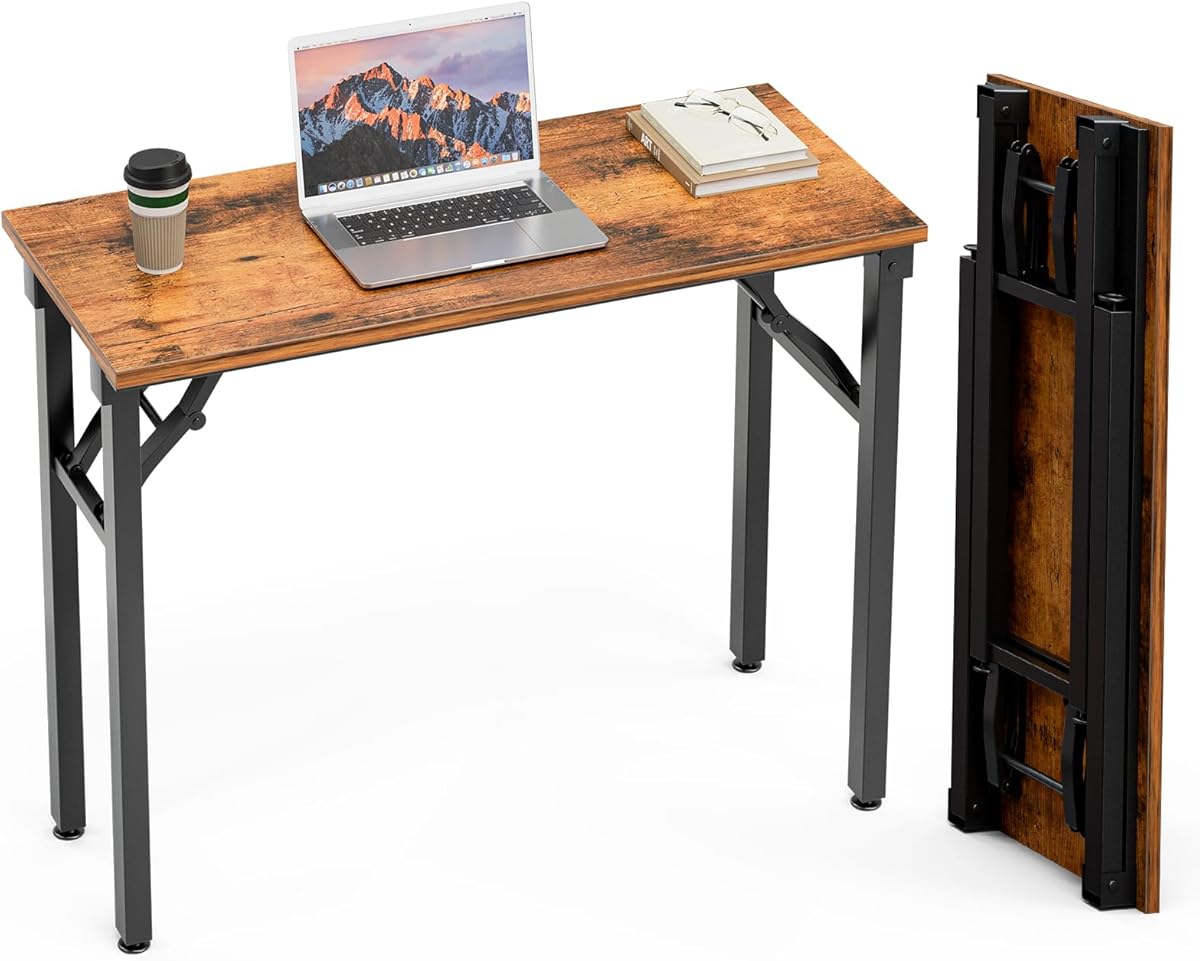
The TEMI 35.8" folding desk targets users needing immediate workspace without assembly, but its compact design involves trade-offs. For dorm rooms, studio apartments, or temporary setups, understanding the limitations of a no-assembly folding mechanism versus traditional desks is crucial.
Key Considerations Before Buying
- The 35.8" width is suitable for a laptop and notebook but inadequate for dual monitors or extensive paperwork—measure your essential equipment before purchasing.
- No-assembly designs rely on hinge and locking mechanisms that must withstand repeated folding cycles; inspect these components for wobble or plastic fatigue in product images.
- The 'compact design' prioritizes portability over stability; consider if you need a desk for light typing or more intensive tasks requiring a rigid surface.
What Our Analysts Recommend
Examine the material thickness in product photos—particle board versus solid wood affects weight capacity and durability. For folding desks, the locking mechanism's design (metal vs. plastic latches) and leg bracing determine stability during use. Check if the surface has a protective laminate to resist scratches from daily use.
Home Office Desks Market Context
Market Overview
The compact folding desk market has expanded with remote work and micro-living trends, leading to numerous brands offering similar no-assembly solutions. Competition focuses on minimal footprint, instant setup, and affordability, sometimes at the expense of material quality.
Common Issues
Buyers frequently report wobble on uneven floors, surface warping from moisture, and hinge mechanisms that loosen over time. The 'no assembly' feature can mask weaker construction compared to bolt-together desks that offer more structural integrity.
Quality Indicators
Higher-quality folding desks use reinforced steel hinges, cross-braced legs, and moisture-resistant MDF or bamboo surfaces. Look for weight capacity specifications (many budget models omit this) and warranty coverage on mechanical parts.
Review Authenticity Insights
Grade F Interpretation
A Grade F with 62.50% potentially fake reviews indicates systematic manipulation of the rating system for this specific desk. The adjusted rating of 4.67/5 dropping from 4.88/5 suggests the authentic reviews are still positive but less overwhelmingly so.
Trust Recommendation
Given the high fake review probability, treat the overall rating with skepticism and focus on verified purchase reviews from the past 6 months. Cross-reference feedback on competing products like the SHW or Furinno folding desks for more reliable comparisons.
Tips for Reading Reviews
Prioritize reviews discussing specific durability concerns after months of use, stability on carpet versus hard floors, and exact measurements of the workspace. Be wary of repetitive phrasing about 'perfect for small spaces' or generic praise lacking detail.
Expert Perspective
While the TEMI desk's concept addresses genuine needs for portable, instant workspace, the authenticity data raises red flags about the reliability of its praise. The product likely functions adequately for basic use but may not match the exceptional quality implied by its near-perfect rating. The compact 35.8" design is genuinely space-efficient but inherently limits functionality to light computing tasks.
Purchase Considerations
Weigh the convenience of no assembly against potential longevity concerns with folding mechanisms. For temporary dorm use or occasional laptop work, it may suffice, but for daily 8-hour workdays, invest in a more substantial desk. Consider if you truly need foldability or would benefit more from a slightly larger, stationary writing desk.
Comparing Alternatives
Shoppers should compare the TEMI's dimensions and features against similarly priced folding desks from brands with more transparent review histories.