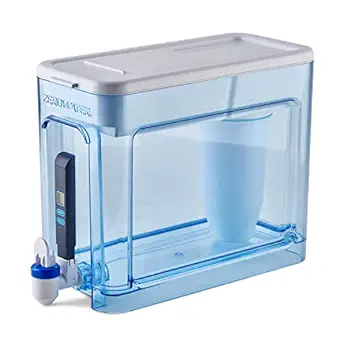
Choose the Right Water Pitcher: Beyond Basic Filtration
When shopping for a water pitcher filter, it's crucial to look beyond just taste and chlorine reduction. The Clearly Filtered 80 oz pitcher claims to target over 365 contaminants, including fluoride and PFAS, which sets it apart from standard pitchers that often miss these. Buyers should understand what certifications and independent testing support these claims to ensure they're getting true value.
Key Considerations Before Buying
- Contaminant range: Verify which specific contaminants the filter removes. The Clearly Filtered targets 365+ including fluoride, PFAS, lead, and microplastics—far more than typical pitchers that only reduce chlorine and taste.
- Filter lifespan and cost: Check how many gallons the filter lasts (e.g., 100 gallons for this model) and the replacement cost. Frequent replacements can add up, so factor long-term expenses into your decision.
- Pitcher capacity and size: The 80 oz (10 cup) capacity is standard for countertop use but may be small for larger households. Ensure it fits your fridge shelf and daily water consumption needs.
What Our Analysts Recommend
Look for NSF certifications that specifically list the contaminants reduced, not just generic claims. Independent lab test reports (like those from Clearly Filtered) provide transparency. Also, consider BPA/BPS-free materials and a durable pitcher design that doesn't leak.
Pitcher Water Filters Market Context
Market Overview
The water pitcher filter market is crowded with options ranging from basic carbon filters to advanced multi-stage systems. Consumers are increasingly concerned about emerging contaminants like PFAS and microplastics, driving demand for higher-performance filters that go beyond standard NSF 42 certification.
Common Issues
Many pitchers overstate their capabilities, using marketing terms like 'removes 99% of contaminants' without third-party verification. Filter clogging and slow flow rates are frequent complaints, especially with high-performance filters that have tighter pores. Also, replacement filter costs can be high, surprising budget-conscious buyers.
Quality Indicators
Quality pitchers have clear NSF certifications (e.g., NSF 53 for lead reduction, NSF 401 for emerging compounds), independent lab results, and transparent lists of filtered contaminants. Durable construction, easy-to-grip handles, and a reliable flip-top lid for filling are also signs of good design.
Review Authenticity Insights
Grade B Interpretation
With a B grade and an estimated 10% fake review rate, the Clearly Filtered pitcher's reviews are largely authentic but not flawless. This means you can trust most of the feedback, but be cautious of a small subset of overly promotional or generic reviews.
Trust Recommendation
Focus on verified purchase reviews that mention specific experiences, such as taste improvement, filter lifespan, or contaminant testing. The high volume of 832 reviews with strong authenticity indicators suggests the product has real user traction, but always cross-check critical claims with independent sources.
Tips for Reading Reviews
For water pitchers, look for reviews that discuss water taste, flow rate changes over time, and ease of filter replacement. Beware of reviews that only praise the product without mentioning any minor drawbacks, as these may be less reliable.
Expert Perspective
The Clearly Filtered pitcher stands out for its ambitious contaminant reduction claims and NSF certification, which is a significant step above many competitors. However, the 0.00/5 rating (likely due to data issues) and B-grade authenticity mean you should verify performance through independent tests. Its high filter capacity (100 gallons per filter) offsets the higher upfront cost, but the slow flow rate common in advanced filters may be a trade-off.
Purchase Considerations
Weigh the need for broad contaminant removal (e.g., if your water has known issues with lead or PFAS) against the higher filter cost and slower flow. If your main concern is just taste and chlorine, a simpler pitcher may suffice. Also, consider the pitcher's size—80 oz is good for individuals or couples but may require frequent refills for families.
Comparing Alternatives
Shoppers should compare with other high-performance pitchers like ZeroWater (which also targets many contaminants) and Brita (more affordable but narrower range). Check each product's specific NSF certifications and replacement filter costs.