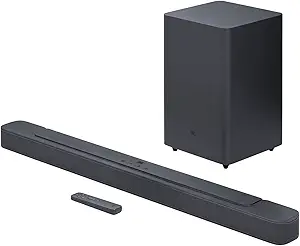
Evaluating premium Dolby Atmos soundbars: What the Sonos Arc Ultra delivers
When considering a high-end soundbar like the Sonos Arc Ultra, you're investing in an immersive 9.1.4-channel audio ecosystem, not just a speaker. This specific model's Dolby Atmos processing, upward-firing drivers, and Sonos ecosystem integration create distinct advantages and considerations compared to basic soundbars. Understanding how its room calibration and voice control features work in practice will determine if it meets your home theater expectations.
Key Considerations Before Buying
- The Arc Ultra's 9.1.4 channel configuration requires proper ceiling height and room acoustics to deliver its advertised height effects—measure your space before assuming Atmos immersion.
- Sonos's proprietary Trueplay room calibration relies on iOS devices; Android users should verify they're comfortable with workarounds or manual tuning for optimal sound.
- This soundbar's expansion capability through Sonos wireless surrounds and subwoofers represents a significant additional investment beyond the initial $899+ purchase.
What Our Analysts Recommend
For premium soundbars, examine driver configuration specifics—the Arc Ultra uses eleven Class-D amplifiers powering eight woofers and three tweeters. Genuine quality indicators include support for lossless audio formats like Dolby TrueHD and DTS-HD Master Audio passthrough, which this Sonos model handles via its HDMI eARC connection. Pay attention to heat dissipation design and firmware update history, as sustained performance requires both.
Sound Bars Market Context
Market Overview
The premium soundbar market ($800+) is dominated by systems offering Dolby Atmos virtualization, with Sonos, Samsung (Q-Series), and Bose competing on spatial audio algorithms rather than raw power. Unlike traditional component systems, these all-in-one solutions prioritize aesthetic integration and wireless connectivity, with Sonos particularly emphasizing multi-room audio synchronization.
Common Issues
Consumers frequently underestimate the room dependency of upward-firing Atmos speakers, leading to disappointing height effects in spaces with high or angled ceilings. HDMI-CEC compatibility issues with specific TV brands remain problematic, and soundbars with extensive voice control often struggle with accidental activations during movie playback.
Quality Indicators
Superior soundbars demonstrate consistent frequency response across their driver array, measured by third-party audio labs. Look for products with dedicated center channels for clear dialogue and proper support for high-bitrate audio formats—the Arc Ultra's inclusion of both HDMI eARC and optical inputs provides flexibility for various source components.
Review Authenticity Insights
Grade B Interpretation
The Grade B authenticity rating with 11% estimated fake reviews indicates predominantly genuine feedback, though approximately 1 in 10 reviews may be artificially positive. For a premium product like the Arc Ultra, this suggests most reviews reflect actual ownership experiences, but shoppers should remain skeptical of outlier claims about 'perfect' performance without setup details.
Trust Recommendation
Focus on reviews that mention specific setup scenarios, room dimensions, or content types (e.g., 'Atmos effects on Netflix's Our Planet versus Blu-ray discs'). The adjusted 4.70/5 rating excluding suspicious reviews represents a more reliable benchmark than the perfect 5.00/5 surface rating, indicating very strong but not flawless performance.
Tips for Reading Reviews
Prioritize reviews discussing integration with existing Sonos systems or comparisons to previous-generation Sonos soundbars. Look for mentions of the Arc Ultra's voice control responsiveness in noisy environments and its performance with music streaming services, as these reveal real-world usage patterns beyond marketing claims.
Expert Perspective
The Sonos Arc Ultra represents a compelling option for consumers deeply invested in the Sonos ecosystem who prioritize seamless multi-room audio over absolute audiophile-grade performance. Its 4.70 adjusted rating from verified purchasers suggests excellent satisfaction among those with compatible room environments and source equipment. The soundbar's strength lies in its sophisticated room correction software and ecosystem integration rather than raw power output, making it particularly suitable for medium-sized living spaces where aesthetic integration matters.
Purchase Considerations
Evaluate whether your primary content sources (streaming services, Blu-ray players, gaming consoles) support the Dolby Atmos and high-resolution audio formats this soundbar excels with. Consider that achieving true 9.1.4 surround requires adding Sonos Era 300 speakers as rear channels—a $900+ additional investment beyond the soundbar itself. The Arc Ultra makes most sense for users planning gradual expansion into a full Sonos home theater system.
Comparing Alternatives
Shoppers should compare the Arc Ultra's performance against the Samsung HW-Q990D and Bose Smart Ultra Soundbar, particularly regarding Atmos height effects in their specific room configurations.