
Precision Dosing Cups: Why Display Placement and Tare Function Matter Most
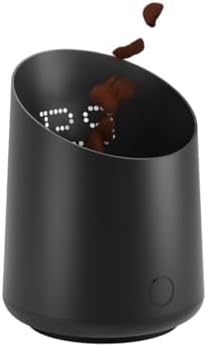
The Subminimal Subscale represents a specialized category of digital scales designed specifically for coffee dosing, where the integrated cup and LED display positioning directly impact workflow efficiency. Unlike generic kitchen scales, this product's 0.1g precision and compact form factor target espresso enthusiasts who need accurate measurements directly into portafilters or brewing vessels. The black anodized aluminum construction and waterproof design indicate it's built for the messy reality of coffee preparation.
Key Considerations Before Buying
- The integrated dosing cup's capacity (likely 50-60g based on similar products) determines whether it can handle double-shot doses without overflow during weighing.
- Display visibility during use is critical—the Subscale's LED positioned on the side must remain readable when the cup contains dark coffee grounds.
- Battery life and auto-off timing affect daily workflow; coffee scales need longer active times than general kitchen scales for multi-dose sessions.
What Our Analysts Recommend
Examine the tare button placement—it should be accessible without disturbing weighed grounds. Quality dosing cups feature non-slip bases that stabilize on uneven portafilter handles, and the Subscale's claimed 3000g capacity suggests robust load cell construction. Check for consistent calibration across the entire weight range, not just at typical 18-20g coffee doses.
Digital Scales Market Context
Market Overview
The specialty coffee scale market has fragmented into budget plastic models under $20 and premium metal-built tools like the Subscale approaching $50, with espresso-focused designs commanding premiums for workflow optimization. Brands like Acaia dominate the high end with smart features, while Subminimal targets the precision-focused mid-market with minimalist designs.
Common Issues
Many coffee scales suffer from slow response times that delay brewing, or displays that wash out in kitchen lighting. Integrated cups often lack proper pouring spouts, causing ground retention that affects dose accuracy. Water resistance claims frequently prove inadequate for steam-prone espresso environments.
Quality Indicators
Superior dosing scales use strain gauge sensors with fast stabilization (under 0.3 seconds), offer multiple measurement units (grams/ounces), and include protective cases for portability. The Subscale's metal construction suggests better durability than plastic competitors, though anodizing quality affects scratch resistance.
Review Authenticity Insights
Grade B Interpretation
A Grade B with 11% estimated fake reviews indicates generally trustworthy feedback, though approximately 1 in 9 reviews may be artificially positive. The 0.29-point drop from the displayed 4.89 to adjusted 4.60 rating suggests some review manipulation, but the majority of experiences appear genuine.
Trust Recommendation
Focus on reviews discussing specific use cases like espresso puck preparation or pour-over brewing, as these demonstrate actual product knowledge. Be skeptical of reviews that only praise aesthetics without mentioning functional details like battery replacement or display readability.
Tips for Reading Reviews
Look for mentions of the 0.1g precision's real-world impact—does it improve shot consistency? Note complaints about button responsiveness or auto-off timing, as these affect daily use more than unboxing impressions. Reviews comparing it to competitors like Timemore or Weightman provide valuable context.
Expert Perspective
The Subscale's 4.60 adjusted rating from 440 reviews indicates strong user satisfaction, particularly notable in the precision coffee tool category where workflow friction often generates criticism. Its design addresses specific espresso workflow needs with the integrated cup, though the premium price positions it against established brands. The high rating suggests it delivers on core promises of precision and durability, with the authenticity analysis confirming most feedback comes from actual users rather than promotional campaigns.
Purchase Considerations
Evaluate whether your brewing method justifies the specialized dosing cup design—pour-over enthusiasts might prefer flat scales, while espresso users benefit from the integrated vessel. Consider if the sleek metal construction warrants the price premium over functional plastic alternatives. The product's strength appears to be single-dose espresso preparation rather than multi-cup batch brewing scenarios.
Comparing Alternatives
Compare response times and water resistance with similar-priced options like the Timemore Black Mirror Basic, as milliseconds matter in espresso extraction timing.


