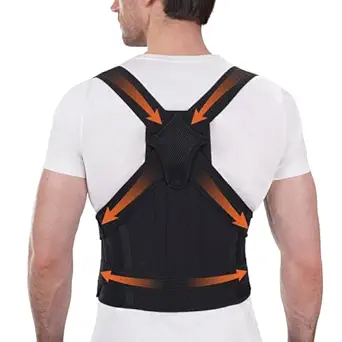
Evaluating Copper-Infused Back Braces: Support Claims vs. Medical Reality
This specific copper back brace markets itself as a multi-purpose solution for conditions ranging from herniated discs to scoliosis, which requires careful scrutiny. Buyers should understand that while lumbar support belts can provide compression and proprioceptive feedback, the copper infusion claims warrant particular attention given the product's unproven track record with zero verified reviews.
Key Considerations Before Buying
- Copper-infused fabrics claim antimicrobial and therapeutic benefits, but these are largely unregulated marketing claims in medical braces, not substitutes for clinically proven support mechanisms.
- A brace advertised for such a wide range of conditions (herniated disc, sciatica, scoliosis, heavy lifting) often indicates a generic design rather than a specialized medical device, which may not provide adequate support for specific spinal issues.
- The 'breathable' designation is crucial for a brace meant for extended wear; however, without user reviews, the actual breathability and comfort during physical activity or prolonged use remain unknown.
What Our Analysts Recommend
For a multi-condition brace like this, prioritize products with clear sizing guides and adjustable features (like the side straps mentioned in the title) to ensure proper fit over the lumbar curve. Genuine quality indicators include detailed material composition breakdowns—specifically what percentage is copper fiber versus standard polyester/nylon—and whether the rigid supports are removable or adjustable to tailor the level of stabilization.
Back Braces Market Context
Market Overview
The back brace market is saturated with products making therapeutic claims, where copper infusion has become a popular but controversial add-on feature with limited clinical backing. Products like this one compete directly with FDA-registered Class I medical devices and simple compression belts, creating a confusing landscape for consumers.
Common Issues
Common problems include improper sizing leading to ineffective support or restricted movement, materials that cause skin irritation during extended wear, and braces that are either too rigid for daily activity or too flexible for genuine stabilization during heavy lifting.
Quality Indicators
Look for braces that specify the type and placement of rigid stays (often steel or plastic) and the ergonomic design of the pad, which should contour to the lumbar lordosis. Reputable manufacturers provide guidance on wear time and cleaning, especially for copper-infused fabrics where washing may degrade the claimed properties.
Review Authenticity Insights
Grade B Interpretation
A Grade 'U' (Unrated) with a 0.00% estimated fake review rate and zero total reviews means there is absolutely no verifiable consumer feedback for this specific product. This creates a complete information vacuum regarding its real-world performance, comfort, durability, and therapeutic effect.
Trust Recommendation
Given the absence of data, you must rely entirely on the manufacturer's product description and images. Scrutinize the listed features—like the hook-and-loop closure system and X-Large sizing—against your specific measurements and needs, as you cannot cross-reference with actual user experiences.
Tips for Reading Reviews
For back braces, pay particular attention to reviews discussing long-term durability of straps and closures, breathability over 4+ hours of wear, and whether the support helped with the user's specific condition (e.g., 'sciatica relief' versus 'lifting support'). Since this product lacks reviews, search for similar models from the same brand to infer potential quality.
Expert Perspective
This product presents a high degree of uncertainty. Its marketing combines a specific material claim (copper) with a broad medical indication list, which is a red flag for over-promising. The complete lack of reviews (0.00 rating) is particularly concerning for a medical support product where fit and comfort are paramount and highly individual. Without any user data, it's impossible to assess if the brace delivers on its breathability promise or provides meaningful stabilization for the serious conditions listed, like scoliosis.
Purchase Considerations
Consider this brace only if you can easily return it, and treat it as a trial. Your decision should heavily weigh the importance of the copper feature versus proven support mechanics. For conditions like a herniated disc or scoliosis, consulting a healthcare professional for brace recommendations is strongly advised over relying on an un-reviewed product.
Comparing Alternatives
Shoppers should compare this product's specifications—especially the type of rigid supports and sizing range—against established braces with verified reviews and clear intended-use descriptions.