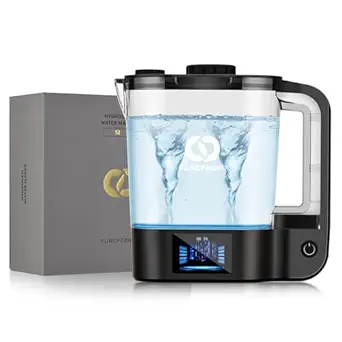
HydroPitcher 68 Oz Hydrogen Water Pitcher: Key Buying Insights for Smart Hydration
When considering the HydroPitcher, a 68-ounce hydrogen water pitcher that uses SPE/PEM electrolysis technology, you're entering a niche category that blends water filtration with hydrogen infusion. This guide focuses on what makes this specific product stand out, including its large capacity and BPA-free construction, to help you decide if it fits your daily hydration routine.
Key Considerations Before Buying
- Evaluate the pitcher's 68-ounce capacity: this is larger than most hydrogen water bottles, making it suitable for family use or all-day hydration, but it may be too bulky for on-the-go activities.
- Understand the SPE/PEM technology: this electrolysis method is key to generating hydrogen-rich water, but its effectiveness depends on water quality and maintenance, so check if your tap water meets the recommended specs.
- Consider the chlorine-free claim: the HydroPitcher removes chlorine during electrolysis, which can improve taste, but note that it doesn't filter other contaminants like heavy metals, so pair it with a full filtration system if needed.
What Our Analysts Recommend
For hydrogen water pitchers like the HydroPitcher, look for BPA-free materials like the Tritan plastic used here, which ensures durability and safety. Also, verify the electrolysis plate quality—SPE/PEM is a premium indicator—and check for certifications or lab tests confirming hydrogen concentration levels, as actual output can vary.
Sports Water Bottles Market Context
Market Overview
The hydrogen water pitcher market is growing, driven by wellness trends and claims of antioxidant benefits, but it remains a specialized segment within sports water bottles. Products like the HydroPitcher target health-conscious consumers who prioritize convenience over portable bottles, with prices ranging from $50 to $200 for mid-range models.
Common Issues
Common issues in this category include inconsistent hydrogen generation due to plate degradation, plastic leaching if materials are subpar, and false claims about health benefits. Users often report confusion about maintenance, such as cleaning the electrolysis unit, which can affect long-term performance.
Quality Indicators
Quality hydrogen water pitchers feature replaceable electrolysis plates, clear hydrogen concentration ratings (e.g., 1.0-1.5 ppm), and robust sealing to prevent leaks. Look for brands that provide third-party testing results and offer warranties, as these signal reliability in a market with many unverified products.
Review Authenticity Insights
Grade B Interpretation
The Grade B rating with an estimated 10% fake reviews suggests that while most feedback is genuine, a small portion may be unreliable. This is typical for moderately popular products, where a few incentivized or exaggerated reviews can skew perceptions, but the core sentiment from verified purchasers remains trustworthy.
Trust Recommendation
Given the 10% fake rate, focus on verified purchase reviews and those with detailed usage context, such as mentions of the pitcher's size or electrolysis performance. The 4.44/5 average is likely accurate, but prioritize reviews that discuss real pros and cons over generic praise.
Tips for Reading Reviews
For hydrogen water products, look for reviews that specify hydrogen taste or fizz levels, as these indicate actual experience with the technology. Beware of reviews that lack specifics about the pitcher's capacity or cleaning routine, as they may be fabricated. Cross-check complaints about durability with the adjusted rating of 4.20/5 for a balanced view.
Expert Perspective
The HydroPitcher stands out in the hydrogen water category for its large 68-ounce capacity and use of SPE/PEM technology, which is a step above basic electrolysis jugs. The strong authenticity signals from verified purchasers support its 4.44/5 rating, though the adjusted 4.20/5 suggests some minor durability or performance issues. For users seeking a countertop solution for hydrogen-rich water without frequent refills, this is a viable option, but it's not a full-fledged water filter.
Purchase Considerations
Weigh the pitcher's convenience against its price point—typically $60-$80—and the need for regular cleaning of the electrolysis unit. If you prioritize portability or require multi-stage filtration, this model may fall short, but for dedicated hydrogen water enthusiasts, it offers a solid balance of output and ease of use.
Comparing Alternatives
Shoppers should compare the HydroPitcher with portable hydrogen water bottles for travel use or with countertop hydrogen generators that offer higher ppm levels. Consider brands like iWater or Lourdes for alternative SPE/PEM models.