Choosing a 32oz Insulated Bottle: Straw vs. Spout Lids and Handle Durability
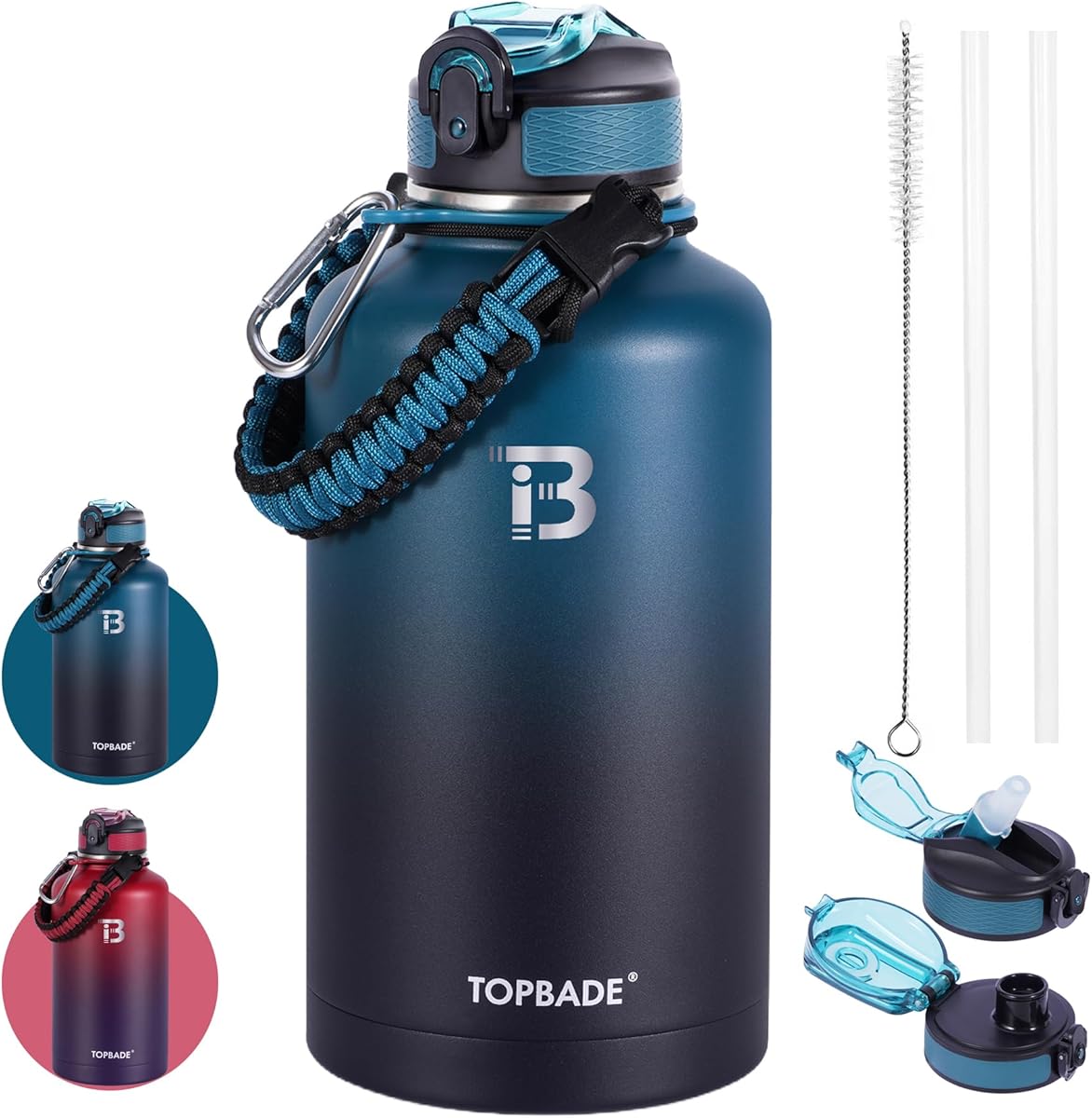
When selecting a 32oz insulated stainless steel bottle like this model with dual lids and a paracord handle, focus on how the lid system matches your drinking habits. The wide mouth design facilitates cleaning but requires compatible lid seals to prevent leaks during vigorous activity. This specific configuration offers versatility but introduces potential failure points at the lid interfaces.
Key Considerations Before Buying
- Evaluate whether you'll primarily use the straw lid for hydration during workouts or the spout lid for controlled drinking—each has different maintenance needs and seal integrity.
- Assess the paracord handle's attachment points; on a 32oz bottle filled with liquid (approximately 4.5 lbs total), weak stitching or plastic connectors can fail during carrying.
- Consider the double-wall insulation's real-world performance: 18/8 stainless steel construction should maintain temperature for 12+ hours, but wide mouths lose cold faster than narrow openings.
What Our Analysts Recommend
Quality indicators include seamless laser-welded vacuum insulation (no bottom disc), BPA-free silicone gaskets in both lids, and reinforced stitching where the paracord meets the bottle's carabiner clip. The straw should be medical-grade silicone with a rigid enough tip to withstand repeated bites without tearing.
Sports Water Bottles Market Context
Market Overview
The 32oz insulated bottle segment is saturated with products offering similar specs, making lid systems and handle designs key differentiators. Brands compete on accessory bundles and specialized drinking mechanisms rather than core insulation technology, which has largely standardized.
Common Issues
Leaks often originate from misaligned silicone gaskets in interchangeable lids, while condensation forms on exterior surfaces when vacuum seals fail. Paracord handles frequently detach at plastic anchor points after repeated stress from the bottle's substantial weight when full.
Quality Indicators
Superior bottles feature copper-lined vacuum chambers for enhanced thermal retention and powder-coated exteriors that resist chipping. Look for manufacturers specifying lid pressure-testing and using 304-grade stainless steel rather than generic 'food-grade' claims.
Review Authenticity Insights
Grade B Interpretation
A Grade B with 11% estimated fake reviews indicates predominantly authentic feedback but suggests some incentivized reviews may exaggerate durability claims. The 0.29-point drop from the displayed 4.89 to adjusted 4.60 rating reflects this moderate manipulation.
Trust Recommendation
Prioritize reviews discussing long-term use (3+ months) of both lid types and handle durability, as these areas are less likely to be artificially promoted. Be skeptical of reviews claiming perfect leak-proof performance across all activities without specific context.
Tips for Reading Reviews
Focus on mid-range (3-4 star) reviews that mention specific scenarios like 'gym use' or 'hiking'—these often contain nuanced observations about lid performance under movement. Check for photos showing wear patterns on the paracord or lid seals for real-world evidence.
Expert Perspective
This product's exceptionally high adjusted rating (4.60/5) suggests genuine satisfaction with its dual-lid versatility and insulation performance, despite the moderate authenticity concerns. The paracord handle addresses a common complaint in this category about carrying comfort for a 32oz bottle. However, the wide mouth design inherently compromises some thermal efficiency compared to narrow-neck bottles, a trade-off for easier cleaning.
Purchase Considerations
Choose this configuration if you value switching between straw-based hydration during workouts and spout drinking for casual use. The handle is particularly valuable for outdoor activities where the bottle might be attached to gear. Consider if you'll actually use both lids or if a single optimized lid might be more reliable.
Comparing Alternatives
Compare lid-securing mechanisms and handle attachment points with similar-priced competitors, as these functional elements vary significantly even among bottles with identical capacity and insulation claims.