
Choosing Self-Sealing Cellophane Bags: What Matters for Small Business Packaging
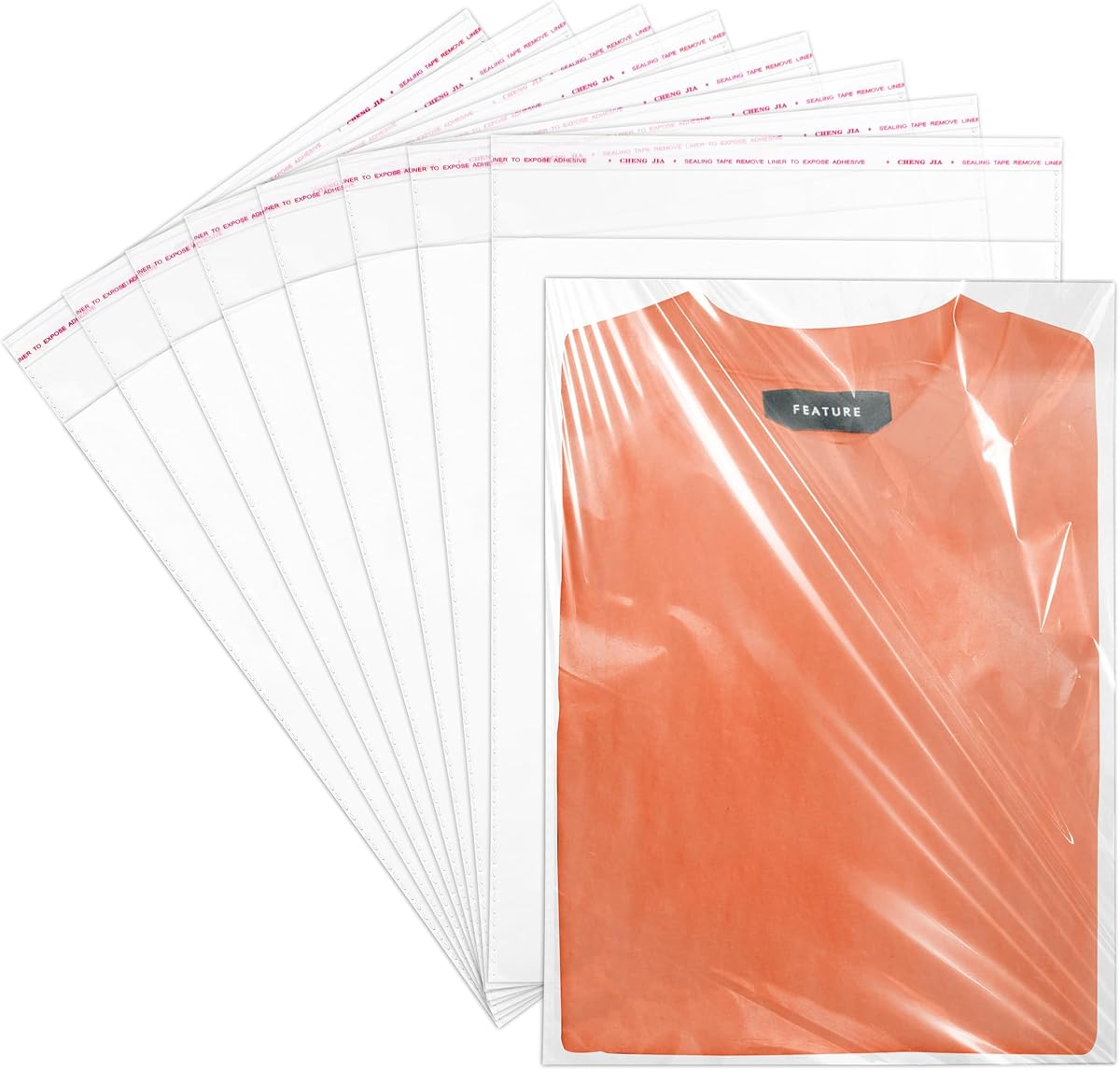
For this specific 9x12 inch self-sealing cellophane bag set, buyers should understand that the 'self-sealing' mechanism—typically a fold-over adhesive strip—determines daily usability. These 120-count bags target small businesses and crafters who need consistent, clear presentation for shirts, gifts, or party favors without heat sealing equipment. The 4.89/5 rating suggests strong user satisfaction, but the adjusted 4.60/5 indicates some quality variance.
Key Considerations Before Buying
- The adhesive seal integrity is crucial—cheap cellophane bags often have weak adhesive that fails after one use or in humid conditions, while quality bags maintain resealability.
- For 9x12 inch dimensions, verify thickness (usually measured in microns or gauge) since thinner bags tear easily when packaging rigid items like board games or multiple shirts.
- Consider opacity and clarity—premium cellophane maintains crystal transparency without cloudiness or yellowing, which matters for retail presentation where product visibility drives sales.
What Our Analysts Recommend
Examine reviews mentioning seal reliability across multiple openings and consistent sizing—bags that vary beyond 1/8 inch can cause professional packaging headaches. Quality indicators include reinforced edges where the seal attaches and static-resistant material that doesn't cling annoyingly during filling.
Gift Wrap Cellophane Bags Market Context
Market Overview
The gift wrap cellophane bag market has shifted toward self-sealing convenience over traditional twist-tie closures, driven by small business demand for efficient packaging. Most products in this category compete on price-per-bag, leading to material thickness compromises that affect durability.
Common Issues
Common problems include inconsistent adhesive application causing partial seals, static buildup making bags difficult to separate, and size discrepancies where advertised 9x12 inches actually measures smaller when accounting for seal flaps. Thin-gauge cellophane (under 1.5 mil) frequently develops pinholes during shipping.
Quality Indicators
Quality products specify material thickness in mils or microns rather than vague 'heavy-duty' claims. Look for mention of anti-static treatment and consistent reviews about seal adhesion lasting through 3-5 openings. Premium bags maintain dimensional accuracy within 1/8 inch tolerance.
Review Authenticity Insights
Grade B Interpretation
The Grade B authenticity rating with 10% estimated fake reviews means most feedback is genuine, but approximately 1 in 10 reviews may be artificially positive. For this product, that translates to about 52 potentially manipulated reviews among the 522 total.
Trust Recommendation
Focus on verified purchase reviews discussing specific use cases like 'packaging 50 t-shirts for my Etsy shop' rather than generic praise. The 4.60 adjusted rating after removing suspicious reviews represents a more reliable quality assessment than the surface 4.89 rating.
Tips for Reading Reviews
Prioritize reviews mentioning long-term use over months or multiple batches, as these reveal durability issues with seals and material integrity. Be skeptical of reviews lacking packaging-specific details—authentic users typically mention thickness, static, or sealing consistency.
Expert Perspective
This 120-count set represents solid value for occasional users and small businesses needing basic presentation packaging. The high rating despite adjusted authenticity metrics suggests genuine satisfaction with core functionality. However, the gap between surface and adjusted ratings indicates potential batch inconsistencies or selective review manipulation. For professional daily use, examine reviews discussing the 9x12 inch size specifically—some users find this dimension awkward for standard folded shirts, requiring diagonal placement.
Purchase Considerations
Weigh the convenience of self-sealing against potential adhesive failure in humid environments if storing packaged items. Consider whether you truly need 120 identical bags—larger businesses might prefer smaller test quantities first. The price-per-bag calculation should include expected waste from torn bags or failed seals.
Comparing Alternatives
Compare thickness specifications and adhesive type (permanent vs. repositionable) with similar-priced sets, as these factors significantly impact usability for different packaging applications.


