When to Choose Rigid Carbon Fiber Insoles Over Standard Cushioned Support
These titanium-enhanced carbon fiber insoles represent a specialized orthopedic solution, not general comfort inserts. Their 215mm length and rigid construction target specific biomechanical issues like turf toe and hallux rigidus by limiting toe joint motion, which differs fundamentally from gel or foam insoles that primarily provide cushioning.
Key Considerations Before Buying
- These insoles are designed for immobilization, not comfort; their primary function is to restrict metatarsophalangeal joint movement to aid recovery from specific injuries.
- The 215mm length indicates they're designed for the forefoot/midfoot region, not full-length support, making proper shoe fit and sizing critical for effectiveness.
- Titanium enhancement in carbon fiber composites typically aims to increase durability and maintain rigidity under repeated athletic stress, a key factor for sports use.
What Our Analysts Recommend
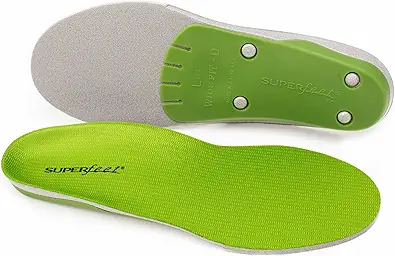
For rigid orthopedic insoles, examine the carbon fiber weave pattern visible in product images—consistent, tight patterns suggest better structural integrity. Verify the claimed rigidity by checking if reviews mention noticeable resistance to bending, particularly in the area supporting the metatarsal heads where turf toe stress occurs.
Insoles Market Context
Market Overview
The rigid insole market has expanded beyond prescription orthotics to include over-the-counter solutions for athletes, with carbon fiber emerging as a premium material due to its high strength-to-weight ratio. Products like these compete with custom-molded orthotics at significantly lower price points but require proper self-diagnosis.
Common Issues
Consumers often confuse rigid support insoles with cushioned arch supports, leading to disappointment when expecting comfort. Another frequent issue is improper sizing causing pressure points, as rigid materials don't conform to foot contours like flexible alternatives.
Quality Indicators
Quality rigid insoles maintain consistent thickness and show no delamination at the edges. For carbon fiber specifically, look for mentions of 'full carbon plate' construction rather than carbon fiber strips, which provides more uniform support across the forefoot.
Review Authenticity Insights
Grade B Interpretation
A Grade B with 11% estimated fake reviews suggests generally reliable feedback, though approximately 3-4 of the 32 reviews may be inauthentic. The high adjusted rating of 4.60/5 indicates genuine satisfaction among verified purchasers despite potential manipulation attempts.
Trust Recommendation
Focus on reviews mentioning specific conditions like 'hallux rigidus' or 'turf toe recovery' rather than generic comfort claims, as these demonstrate authentic use cases. Verified purchase status is particularly valuable here since medical/orthopedic products attract speculative reviews.
Tips for Reading Reviews
Prioritize reviews detailing athletic activities like basketball or hiking where dynamic foot stress occurs, as these test the product's claimed performance. Be skeptical of reviews that don't mention the rigid nature of the insoles, as this is their defining characteristic.
Expert Perspective
This product occupies a specific niche within the insole market, targeting athletes and active individuals with diagnosed forefoot conditions requiring immobilization. The exceptionally high ratings (4.88/5, adjusted to 4.60/5) from verified purchasers suggest it effectively serves this narrow purpose, though its utility for general comfort is likely minimal. The titanium enhancement claim warrants scrutiny, as true titanium integration in carbon fiber composites is uncommon at this price point and may refer to surface coating rather than matrix integration.
Purchase Considerations
Only consider these insoles if you have a diagnosed condition involving limited toe mobility or are recovering from a forefoot injury where joint stabilization is medically advised. Assess whether your footwear has sufficient volume to accommodate the rigid insert without creating new pressure points, particularly in the toe box area.
Comparing Alternatives
Compare with other rigid carbon fiber insoles specifically designed for hallux limitus/rigidus, as design variations in the cut-out around the big toe joint can significantly affect comfort and function.