Wheelchair Back Cushion Buying Guide: 18x17x2.4 Size, Lumbar Support, and Washability
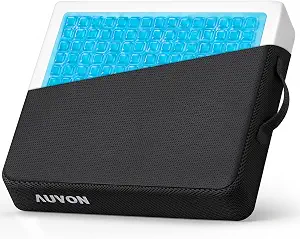
When selecting a wheelchair back cushion, the 18x17x2.4-inch dimensions and 2.4-inch thickness are critical—they determine fit and support level for your specific chair and body. This cushion aims to relieve pain through lumbar support, but its effectiveness hinges on material density and how well it aligns with your posture needs.
Key Considerations Before Buying
- Ensure the cushion's 18x17-inch footprint matches your wheelchair backrest; measure your chair's back width and height to avoid overhang or gaps. A 2.4-inch thickness offers moderate support—too thin may not relieve pressure, too thick could push you forward, affecting posture.
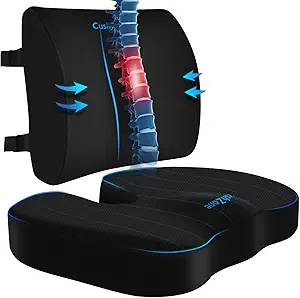
- Lumbar support effectiveness depends on the foam's firmness and contour. Look for high-density memory foam or gel-infused options that conform to your lower back curve without bottoming out, especially if you use the cushion for long hours.
- Removable and washable covers are essential for hygiene, but check the zipper quality and fabric breathability. A cotton or moisture-wicking cover reduces sweat and skin irritation, which is common among wheelchair users.
What Our Analysts Recommend
Quality indicators include multi-layer foam construction (e.g., a firm base with a soft top), a non-slip backing to prevent sliding, and reinforced stitching on the cover. Look for certifications like CertiPUR-US for foam safety, and verify the cover is machine-washable without losing shape. Also, check if the cushion has a strap or ties to secure it to the chair.
Cushions Market Context
Market Overview
The wheelchair cushion market is expanding, with a growing focus on pressure relief and posture correction, driven by an aging population and increased awareness of pressure sores. Back cushions specifically are often secondary to seat cushions, but they're vital for lumbar support and spinal alignment, with options ranging from basic foam to advanced air-cell designs.
Common Issues
Common problems include cushions shifting during use, covers that pill or tear after a few washes, and foam that loses resilience quickly, leading to inadequate support. Many users report that generic 'one-size-fits-all' cushions fail to accommodate individual curvatures, causing discomfort or worsening pain.
Quality Indicators
High-quality cushions typically feature high-resilience foam (HR foam) or viscoelastic memory foam with a density of at least 2.5 lbs/ft³. Look for covers with double-stitched seams, YKK zippers, and water-resistant or waterproof liners. Also, consider brands that offer warranties or replacement parts, indicating confidence in durability.
Review Authenticity Insights
Grade B Interpretation
The Grade B rating and 10% estimated fake review rate suggest that while the majority of reviews are genuine, a small subset may be incentivized or non-representative. This means you can trust the overall consensus but should weigh individual negative reviews carefully, as some may be overly harsh or fabricated.
Trust Recommendation
Given the 4.11 average (adjusted to 3.90), the real user satisfaction is slightly below the displayed rating. Focus on reviews that describe specific usage scenarios—like pressure relief after hours in a chair—and verify that the reviewer used the product for its intended purpose. Cross-reference with video reviews if possible.
Tips for Reading Reviews
For wheelchair cushions, look for reviews that mention body weight, height, and chair model, as fit is personal. Ignore overly vague compliments like 'great product' and pay attention to photos and update posts. Also, note if reviews mention the cushion's firmness—this is subjective and often a source of mixed feedback.
Expert Perspective
The 18x17x2.4 cushion appears to be a reasonably priced option that meets basic lumbar support needs, but its 3.90 adjusted rating suggests it may not excel in durability or custom fit. The washable cover is a plus, but the 2.4-inch thickness might be too thin for users with significant lower back pain or heavier individuals. The genuine reviews indicate it works well for some, but not universally.
Purchase Considerations
Before buying, measure your wheelchair backrest and consider your specific pain points—if you need more aggressive lumbar support, this may not suffice. Also, factor in the removable cover's washing instructions; if it's not truly machine-washable, practicality diminishes. Compare with similar-priced cushions that offer adjustable straps or firmer foam.
Comparing Alternatives
Shoppers should explore other back cushions with higher ratings or those that offer a contoured shape, as the flat design here may not suit everyone. Look for options with a 30-day return policy to test fit.